

What Happens to My Coin, Stamp, or Ceramics Collection When I Pass Away in Nebraska?
A coin, stamp, ceramics, art, or other collectible collection can carry both financial and sentimental value, which makes it especially important to address clearly in a Nebraska estate plan. This article explains how collections may be handled through a will, trust, or tangible personal property memorandum, why ownership and probate status matter, and how clear planning can reduce confusion for your family and fiduciaries after death.

Who Should I Name as My Power of Attorney in Nebraska, and Should I Use a Corporate Fiduciary?
Choosing who should serve as your power of attorney in Nebraska is less about naming the person closest to you and more about choosing someone who can actually do the job. This article explains the difference between a financial power of attorney and a health care power of attorney, when a spouse or adult child may be the right choice, when a professional fiduciary may be worth considering, and why recordkeeping, self-dealing, beneficiary changes, and family conflict all matter. It also explains why a power of attorney can reduce the need for court involvement, but cannot guarantee that disputes, guardianship, conservatorship, or probate issues will be avoided.

Do I Need to Update My Will and Beneficiaries After a Divorce in Nebraska?
Divorce changes more than your relationship status. In Nebraska, a divorce may affect parts of your estate plan, but it does not automatically fix every will, trust, beneficiary designation, retirement account, life insurance policy, power of attorney, or real estate title issue. This article explains why Nebraskans should review their estate plan after divorce or legal separation, what automatic revocation rules may and may not do, and why updating beneficiary forms directly can help avoid confusion, court disputes, and unintended results.
Can the Stress of Caring for Aging Parents Lead to Divorce in Nebraska?
Caring for an aging parent can be one of the most meaningful responsibilities a family takes on, but it can also place serious pressure on a marriage. In Nebraska, eldercare stress may overlap with divorce, marital finances, alimony, powers of attorney, guardianship, conservatorship, and Medicaid planning. This article explains how caregiving responsibilities can affect a marriage, what legal planning may help reduce conflict, and what Nebraska families should consider before a crisis turns into a court case.

Can I Still Use a Financial Power of Attorney After My Parent Dies in Nebraska?
A financial power of attorney can be incredibly helpful while a parent or loved one is alive, but it does not continue after death. In Nebraska, authority to access accounts, pay bills, handle funeral expenses, or manage estate property must come from another legal source, such as a trust, beneficiary designation, small estate affidavit, or appointment by the county court as personal representative. This article explains what families should know before using online banking, writing checks, or moving money after a loved one passes away.

What Happens in Nebraska If You Put Off Estate Planning?
Delaying estate planning can leave Nebraska families facing court involvement, probate complications, guardianship or conservatorship proceedings, Medicaid issues, and difficult decisions during an already stressful time. This article explains why “we’ll deal with it later” often becomes the most expensive plan of all, and how wills, trusts, powers of attorney, health care directives, and thoughtful long-term care planning can help protect your choices, your family, and your peace of mind before a crisis happens.

What Is the Biggest Financial Mistake After Divorce in Nebraska?
Divorce settlements can feel final before the money is actually available. This Nebraska-focused guide explains why spending settlement funds too soon can create problems with property division, QDROs, refinancing, taxes, and post-divorce planning.

How Should Parents Discuss Prenuptial Agreements With Their Adult Children in Nebraska?
For Nebraska families with family farms, businesses, real estate, trusts, or meaningful inheritance planning, a prenuptial agreement can be an important part of protecting long-term family wealth. This article explains how parents can thoughtfully discuss premarital agreements with adult children without making the conversation feel distrustful or adversarial. It also covers how Nebraska law treats premarital property, gifts, inheritances, commingling, business interests, spousal rights at death, and estate planning coordination.

What Is a Gray Divorce, and How Does It Do to Retirement in Nebraska
Divorce after 50 can affect far more than the end of a marriage. It can reshape retirement, home ownership, pensions, Social Security planning, alimony, and estate planning. This Nebraska-focused guide explains how gray divorce works, how courts divide retirement accounts and marital property, why QDROs matter, and what spouses should consider before finalizing a settlement that could impact their long-term financial security.
Why Do Estates With a Trust Still Go Through Probate in Nebraska?
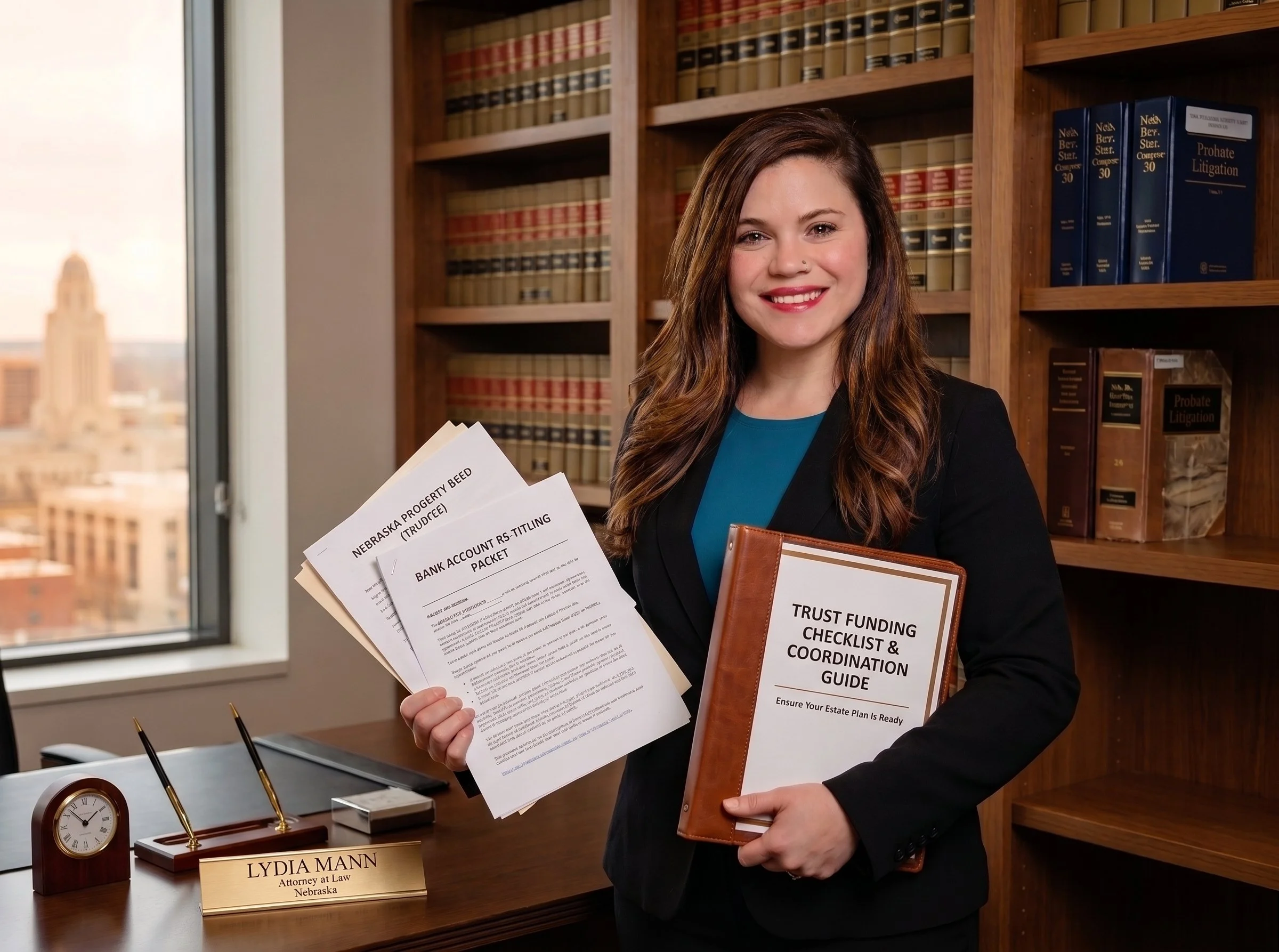
Three months after a parent passes, the call usually goes the same way: "Mom and Dad had a trust. Why are we still in court?" In nearly every case, the trust was valid and the will was valid—but the assets were never actually moved into the trust. Here is a plain-English Nebraska guide to why so many trust-based estates still end up in probate, what it really means to "fund" a trust under Nebraska law, and the practical steps that keep your family out of the courthouse.

Should You Get a Prenup in Nebraska?
A prenuptial agreement in Nebraska is not just for wealthy couples or people expecting divorce. It can be a practical way to clarify property rights, debt responsibility, business interests, inherited or gifted property, spousal support, and estate-planning expectations before marriage. This article explains what Nebraska premarital agreements can and cannot do, how enforceability works under Nebraska law, and why careful drafting, full disclosure, timing, and independent legal advice matter.

What Is Nebraska Guardianship and Conservatorship, and When Does a Family Need a Quiet Shield?
Guardianship and conservatorship can become necessary when a loved one can no longer safely make personal, medical, or financial decisions. In Nebraska, these court-supervised tools are meant to protect vulnerable adults while preserving as much dignity and independence as possible. This article explains the difference between guardianship and conservatorship, when Nebraska courts may appoint a guardian or conservator, how emergency temporary appointments work, and why less restrictive options like powers of attorney and advance directives should be considered whenever possible.

What Do Nebraska’s Medicaid Work Requirements Mean for You in 2026?
Nebraska’s Medicaid work requirements are scheduled to begin in 2026 for some adults enrolled through Medicaid expansion, also known as Heritage Health Adult. This article explains who may be affected, what counts as work or community engagement, who may qualify for an exemption, and what to do if DHHS asks for more information. It also addresses how these rules may overlap with caregiving, guardianship, conservatorship, and family-law concerns, while making clear that Medicaid exemption status does not change custody, parenting time, or court orders.

What Does Legal Capacity Mean in Nebraska, and When Might It Be Too Late to Sign?
Legal capacity issues often come up when families are already under stress, and Nebraska law does not always give easy, one-size-fits-all answers. This article explains how capacity works in Nebraska for wills, financial powers of attorney, health care powers of attorney, guardianship, and conservatorship, and why timing matters when planning may be narrowing. It is designed to help readers better understand the legal framework, the risks of waiting too long, and the difference between a medical diagnosis and a legal finding.

What Can Cher’s Conservatorship Story Teach Nebraska Families About Adult Conservatorships in Nebraska?
Cher’s conservatorship story put a deeply personal legal issue into the national spotlight, but Nebraska families need Nebraska answers. This post explains how adult conservatorships, guardianships, emergency relief, and powers of attorney actually work under Nebraska law, including when a court may step in, what evidence matters, and why planning ahead can sometimes reduce the need for court involvement.

What Happens If You Lie to Your Lawyer in Nebraska?
Can you lie to your lawyer and still expect your case to hold together? In this Nebraska-specific article, attorney Zachary W. Anderson explains how attorney-client privilege differs from confidentiality, when consultation communications may be protected, and why false or incomplete information can create real problems once it reaches court filings, affidavits, depositions, or hearings. If you are dealing with divorce, custody, guardianship, conservatorship, or estate-related issues in Nebraska, this post offers a practical, plain-English explanation of what the law protects, where the limits are, and why honesty with your lawyer is usually the safest strategy.

How Can I Help Protect My Parent From Power of Attorney Misuse by a Sibling in Nebraska?
A power of attorney can be one of the most useful estate-planning tools a family has, but it can also become a source of confusion, secrecy, and conflict when one sibling controls the finances and no one else understands the rules. This Nebraska-focused article explains what a financial power of attorney does and does not allow, what duties an agent owes, what red flags may suggest misuse, and what formal options may exist in some situations. It is written for real families trying to protect a parent while staying grounded in Nebraska law.

What Can Nebraska Families Learn From the Justin and Cerina Fairfax Tragedy About Divorce, Domestic Violence, Custody, and Estate Planning?
The Fairfax tragedy is heartbreaking, but it also raises legal questions Nebraska families ask every day when divorce, custody, safety concerns, and planning for children all collide. This post explains what Nebraska courts can and cannot do when conflict escalates, including temporary orders, protection orders, custody restrictions, mediation, and why estate planning matters more than many people realize during a family crisis.

Is your kid headed to Coachella? What Legal Documents Should a Nebraska 18-Year-Old Have Before Traveling Out of State?
When a Nebraska child turns 18, many parents assume they automatically lose all ability to help in a medical emergency. The real answer is more nuanced, especially under Nebraska law. This post explains what legal documents may matter before an 18-year-old travels out of state, including how a health care power of attorney differs from a HIPAA authorization, why Nebraska’s age rules are not as simple as many national articles suggest, and what families should understand before a college trip, festival, internship, or summer travel. If you want a practical, Nebraska-specific explanation without the scare tactics, this is a good place to start.

What Happens to My Pet If I Die? Planning for Your Fur-Family in Nebraska
Your pets are family, but too often they are left out of estate planning. If something happened to you tomorrow, would anyone know who should care for your dog or cat, how that care should be paid for, or what would happen if you became incapacitated instead of passing away? In Nebraska, there are options, from informal caregiver arrangements to legally enforceable pet trusts. This article walks through what actually works, what does not, and how to make sure your fur-family is protected.
Please note:
The content on this blog is for general informational purposes only and is not legal advice.
Reading it does not create an attorney-client relationship.
For personalized guidance tailored to your specific circumstances,
it's always best to connect with a qualified attorney.