

How Does Nebraska Law Treat K-1 Income, Company-Paid Expenses, and Owner Perks in a Divorce?
A Schedule K-1 reports what a business earned for tax purposes, not what its owner took home, and that gap drives some of the hardest fights in a Nebraska divorce. This post explains how Nebraska courts approach pass-through income, tax distributions, retained earnings, depreciation, and company-paid perks for child support, alimony, and property division, what records come out in discovery, and what to preserve before you meet with a lawyer.

How Do You Build a Nebraska Parenting Plan When Your Family Has Multiple Homes, Frequent Travel, or an Unusual Work Calendar?
Alternating weekends and a midweek evening work for many Nebraska families, but not for a pilot, a rail crew member, a farm family in harvest, an Offutt airman, or parents who split the year between two homes. This post explains what the Nebraska Parenting Act requires in every plan, how multiple residences interact with school enrollment and interstate custody jurisdiction, how to draft travel and passport terms responsibly, and how a plan can be built around a variable work schedule while still being enforceable.

Can a Business Owner Look Cash-Poor in a Nebraska Divorce While the Business Is Making Money?
A closely held business can make a spouse look cash-poor on paper while the company is doing well. Nebraska's Child Support Guidelines and published appellate decisions give courts a framework for looking past the W-2 at retained earnings, distributions, and control, but they also protect legitimate working capital. This post explains how the analysis works for support and property division, which records matter, and what not to do while a case is pending.

Can One Parent Receive Primary Physical Custody in Nebraska When Both Parents Are Fit?
A Nebraska court can find both parents fit and still place primary physical custody with one of them. In a September 2026 memorandum opinion, the Nebraska Court of Appeals affirmed exactly that result where the parents lived about an hour apart and the child had significant school and therapy needs. This article explains what the decision does and does not mean, how Nebraska's best-interests statute changed in July 2026, why temporary orders do not control the final decree, and what the same opinion says about time-limited alimony for a long-term homemaker.

Who Pays for College After a Nebraska Divorce, and What Happens to the NEST 529?
College expenses after divorce can involve more than a child’s age. This Nebraska guide explains when an approved decree may create a post-majority education obligation, how private-school expenses for minor children differ, and why NEST 529 ownership, account type, contribution history, decree language, and tax treatment all require separate review.

Can a Nebraska Court Order Your Ex to Pay for College After Divorce?
College expenses after a Nebraska divorce can raise questions about age 19, post-majority support, NEST 529 accounts, student loans, and what an existing decree actually requires. This guide explains the difference between minor-child education expenses and agreed post-majority support, along with the drafting, enforcement, modification, and tax issues parents should consider.

What Behaviors Can Hurt Your Credibility in a Nebraska Divorce or Custody Case?
Nebraska divorce and custody cases are decided on the evidence and the governing law, not on isolated phrases or courtroom stereotypes. This article explains how communication patterns, incomplete digital evidence, unsupported allegations, inconsistent parenting positions, property disputes, and financial records may affect the presentation of a family-law case. It also addresses Nebraska’s July 18, 2026 Parenting Act amendment, text-message authentication, child-support earning capacity, county-specific property procedures, and practical hearing preparation.

How Are Pensions and Retirement Accounts Divided in a Nebraska Divorce?
Dividing retirement assets in a Nebraska divorce requires more than choosing a percentage. The account type, tracing records, valuation date, tax treatment, survivor rights, and the correct retirement order all matter. This guide explains how Nebraska handles pensions, 401(k)s, IRAs, and NPERS benefits—and why completing the plan paperwork promptly can prevent expensive problems later.

How Are Complex Assets, Hidden Funds, and Business Debts Divided in a High-Net-Worth Nebraska Divorce?
Businesses, rental properties, premarital equity, family gifts, luxury assets, and tax liabilities can make a Nebraska divorce unusually complex. Learn how Nebraska courts classify property and debt, why financial tracing matters, and which records can help create a reliable picture of the marital estate.

Will the Court Find Out About My Spouse’s Hidden Cryptocurrency in a Nebraska Divorce?
Suspect that a spouse is hiding Bitcoin or another digital asset? This Nebraska-specific guide explains how lawful discovery may uncover cryptocurrency, how premarital holdings and appreciation may be classified, how volatile assets can be valued and divided, and why prompt action matters if crypto appears after the divorce is final.

Are Alimony Payments Taxable in Nebraska?
Alimony tax treatment in Nebraska depends on the divorce or separation instrument, later modifications, filing status, and how support interacts with property division and child-related tax benefits. This guide explains the post-2018 rule, older-order traps, Nebraska timing issues, and practical settlement considerations.

Why Do High-Net-Worth Nebraskans Need a Forensic Accountant During a Divorce?
High-asset Nebraska divorces often require more than ordinary property division. When a case involves a business, professional practice, farm or ranch, investment portfolio, trust, premarital asset, inheritance, or disputed income, forensic accountants can help trace funds, value complex property, analyze appreciation, evaluate goodwill, and clarify income for support. Careful financial evidence can make a meaningful difference in settlement, mediation, and trial preparation.

How Can Nebraska Families Protect Inheritances and Generational Wealth From a Child’s Future Divorce?
Nebraska divorce law can protect gifts, inheritances, premarital property, and family wealth, but only when the evidence and planning support the claim. We help clients evaluate tracing records, commingling risk, premarital agreements, trust structures, family businesses, and estate planning updates before, during, and after divorce.

Who Keeps the House in a Nebraska Divorce When There Is Significant Equity?
Significant home equity can make a Nebraska divorce feel financially and emotionally overwhelming. This article explains how Nebraska courts classify and divide home equity, what Stava changed for premarital homes paid down during marriage, and the practical options for buyout, sale, or deferred sale.

What Happens to the Goodwill of My Business in a Nebraska Divorce?
Business goodwill can be one of the most valuable and disputed parts of a Nebraska divorce involving a closely held business, professional practice, farm operation, or family company. This article explains how Nebraska courts distinguish transferable enterprise goodwill from personal goodwill, how premarital business growth may become marital through active appreciation, and how business value can often be divided through offsets, buyouts, or structured payments.

What Happens to Child Support in Nebraska When a Parent Earns Well Above the Guidelines?
High-income Nebraska child support cases often turn less on the chart and more on the evidence: what counts as income, what expenses are already included, and what child-specific needs should be addressed separately. This article explains how Nebraska courts may approach support above the guideline table, including bonuses, RSUs, business income, retained earnings, modifications, and additional child-related expenses.

How Do I Protect My Reputation and Business Relationships During a High-Profile Divorce in Nebraska?
A high-profile divorce in Nebraska can affect more than the marital estate. If you own a business, rely on referrals, employ people, or have a visible role in your community, the case can put your reputation, clients, employees, lenders, and court-file privacy under pressure. This article explains practical Nebraska-specific tools for reducing risk, including careful communication, discovery protections, business-document review, settlement terms, and attorney-led planning.

How Do Trusts Get Pulled Into a Nebraska Divorce — and How Do You Keep Them Out?
Trusts can complicate a Nebraska divorce, especially when family money, inheritance planning, child support, alimony, or commingled distributions are involved. This article explains how Nebraska courts may look at revocable trusts, third-party trusts, spendthrift provisions, trust distributions, and tracing records when trust issues appear in a divorce.

What Happens to an Out-of-State Cabin or Foreign Property in a Nebraska Divorce?
Dividing a cabin or foreign home in a Nebraska divorce involves more than deciding who keeps it. Jurisdiction, title law, valuation, taxes, transfer documents, and enforcement can determine whether the proposed division will actually work.
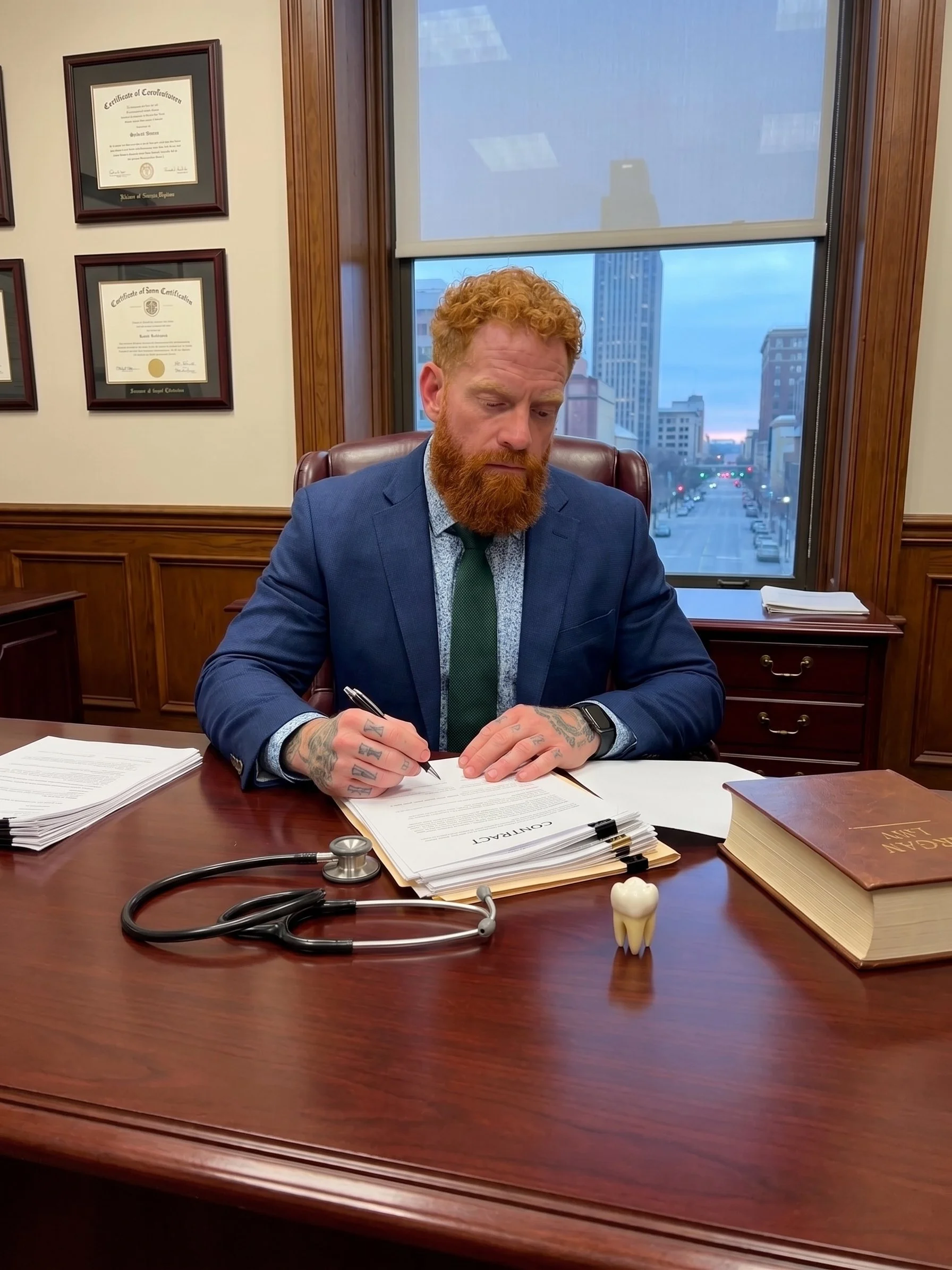
How Is a Medical, Dental, or Law Practice Valued and Divided in a Nebraska Divorce?
Divorce involving a medical, dental, law, or other professional practice can raise complex questions about valuation, goodwill, licensing rules, marital value, and buyout structure. In Nebraska, the court usually focuses on the marital value of the practice rather than simply dividing ownership. This article explains how Nebraska courts may approach professional-practice division and what practice owners and spouses should understand before taking a position on value.
Please note:
The content on this blog is for general informational purposes only and is not legal advice.
Reading it does not create an attorney-client relationship.
For personalized guidance tailored to your specific circumstances,
it's always best to connect with a qualified attorney.