

What Can You Do in Nebraska If You’re Frozen Out of Your Own Business?
An owner can retain an interest in a Nebraska business while losing employment, distributions, management authority, or access to financial information. This article explains how governing documents, ownership status, records rights, fiduciary duties, dissolution statutes, and buyout provisions may affect a minority owner’s options in a Nebraska corporation or LLC.

Who Controls a Nebraska Minor Athlete’s NIL Earnings—and What Does That Mean for Taxes, Child Support, and Custody?
Nebraska’s NIL rules can involve contract capacity, school policies, custodial accounts, taxes, child support, and parental decision-making. This guide explains why control of a minor athlete’s earnings depends on the specific contract and financial structure—and why parents should review existing court orders before acting.

Are Electric Shock Gloves Still in Nebraska Schools—and What Should Parents Ask?
Whether electric shock gloves are authorized in a Nebraska school depends on the district, the law-enforcement agency, and current written policies. This guide explains what Nebraska law clearly establishes, which documents parents can request, how IEP and Section 504 pathways differ, and why potential claims require prompt, case-specific review.

What Are Flock Cameras and License Plate Readers Doing in Lincoln and Lancaster County?
Automated license plate readers are used by law enforcement in Lincoln and Lancaster County, but Nebraska law limits how governmental entities may use, retain, query, and disclose captured plate data. Learn what the 180-day rule means, why registered-owner status does not guarantee access, and how these issues may affect protection orders and Nebraska family-law cases.

Can Nebraska High School Athletes Legally Earn Money From NIL Deals?
Nebraska high school athletes may have opportunities to earn money from their name, image, and likeness, but accepting a deal involves more than agreeing on a price. Current NSAA restrictions, the athlete’s age, the contract language, management of a minor’s funds, future college rules, and an existing parenting plan may all matter. This Nebraska-specific guide explains the questions families should examine before an athlete signs an agreement or publishes sponsored content.

What Happens When a Nebraskan Dies Owning an Out-of-State Vacation Home?
Owning a cabin, condominium, farm, rental, or other real estate outside Nebraska can change the probate and estate-planning analysis. This guide explains when additional probate or title work may be needed, how trusts, transfer-on-death deeds, LLCs, and survivorship ownership may affect the result, and what Nebraska families should know about property in Iowa, Colorado, South Dakota, Missouri, and Minnesota. It also addresses Nebraska's foreign-personal-representative procedure and inheritance tax when a nonresident dies owning Nebraska property.

Did You Get Sick After Eating at Taco Bell in Nebraska? What Should You Know About the Cyclospora Investigation?
Federal officials are investigating a five-state Cyclospora outbreak associated with shredded iceberg lettuce served at certain Taco Bell locations. Nebraska DHHS had not connected any Nebraska case to that outbreak as of its July 16 release. This article explains the current public-health information, the Nebraska legal principles that may apply, and the records a person should consider preserving.

Would Russell Casse from Independence Day Need a Guardian in Nebraska?
Nebraska guardianship law does not exist to stop every bad decision. Using Russell Casse from Independence Day as a memorable example, this article explains the difference between reckless choices and legal incapacity, why medical or professional evidence matters, and how Nebraska courts decide whether guardianship, conservatorship, or a less restrictive alternative is appropriate.

What Does the Supreme Court’s Transgender Sports Ruling Mean for Nebraska Families?
The Supreme Court’s transgender sports ruling is a major legal development, but Nebraska families still need clear, local guidance. This article explains how the decision interacts with Nebraska’s LB 89, what questions remain open, and how school sports disputes can become custody, parenting-plan, and co-parenting issues.
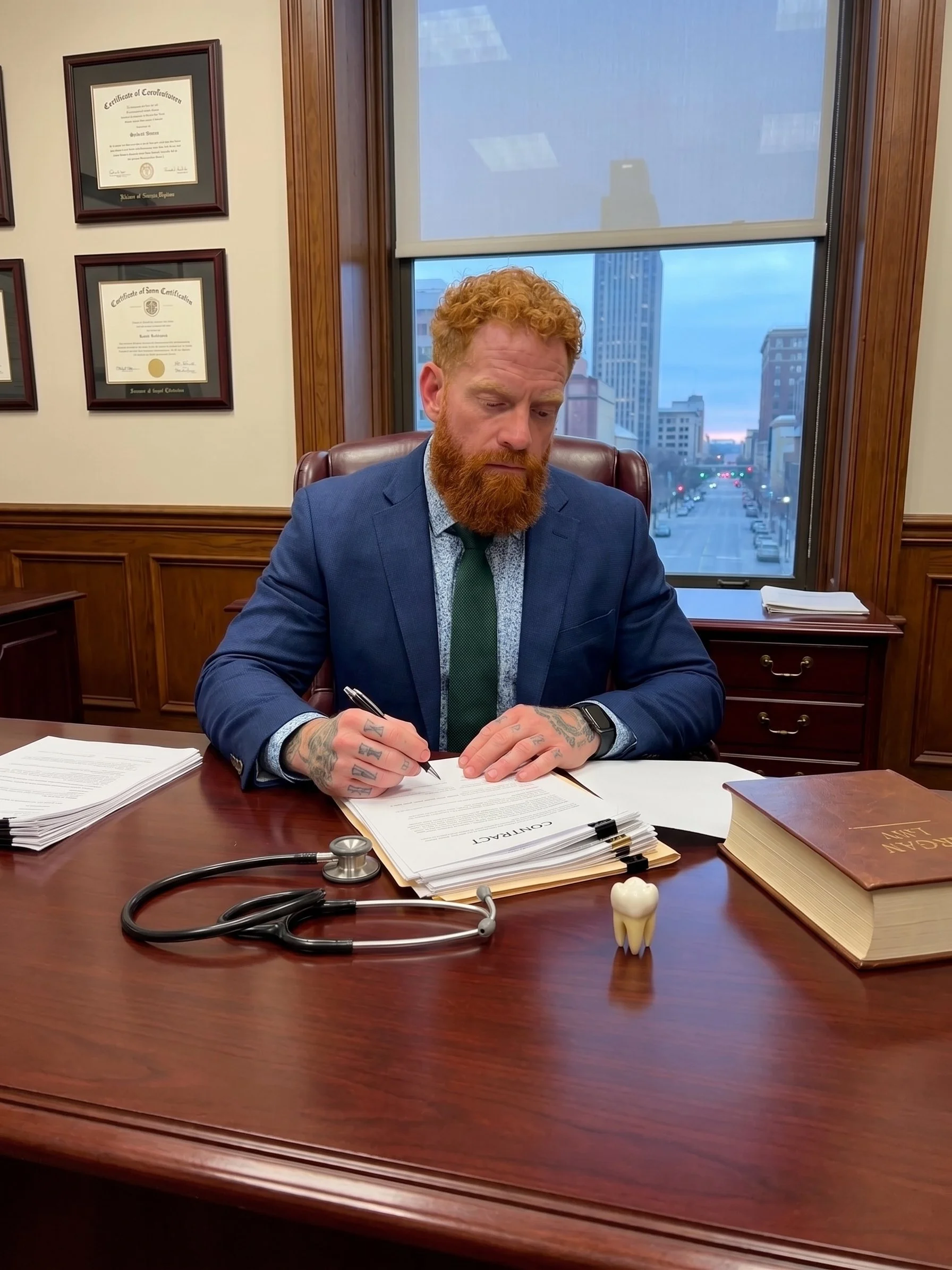
How Is a Medical, Dental, or Law Practice Valued and Divided in a Nebraska Divorce?
Divorce involving a medical, dental, law, or other professional practice can raise complex questions about valuation, goodwill, licensing rules, marital value, and buyout structure. In Nebraska, the court usually focuses on the marital value of the practice rather than simply dividing ownership. This article explains how Nebraska courts may approach professional-practice division and what practice owners and spouses should understand before taking a position on value.

Is My E-Bike Legal in Nebraska, and What Is Grand Island Considering?
Nebraska generally treats qualifying e-bikes as bicycles, but classification is only the beginning. This guide explains the three e-bike classes, licensing, registration, helmet and trail rules, Grand Island’s June 2026 ordinance materials, and how local restrictions may matter after a crash.

What Can Zipline Brewing’s Closure Teach Nebraska Event Customers About Deposits?
Zipline Brewing’s June 2026 announcement is a local reminder that event venues can change plans quickly. Here’s what Nebraska customers should know about deposits, venue cancellations, written contracts, replacement costs, force majeure clauses, small claims court, and the practical steps to take if a booked venue can no longer host your event.

Do I Need a Prenup in Nebraska? Understanding the “Belle Burden Bump”
Prenuptial agreements are having a cultural moment, but Nebraska couples need more than national headlines or celebrity divorce stories. In Nebraska, a premarital agreement can help couples clarify property, debt, business interests, inheritance, estate planning, and possible spousal support before marriage. This article explains what a Nebraska prenup can and cannot do, why timing and financial disclosure matter, and why these agreements should be approached as thoughtful planning rather than a sign that anyone expects the marriage to fail.

Do I Really Need a Prenup in Nebraska If I Don’t Have Much Money or Property?
You do not need to be wealthy to have a reason to consider a prenuptial agreement in Nebraska. A prenup can help engaged couples talk clearly about debt, future property, retirement, family gifts, inherited assets, business interests, and what should happen financially if the marriage ends. This article explains what a Nebraska prenup can and cannot do, why careful drafting matters, and why issues like appreciation, commingling, debt, alimony, and child-related matters should be handled thoughtfully before signing.

Why Do So Many Nebraska Wives File for Divorce First?
Why do so many wives file for divorce first? The answer is usually more complicated than one moment or one argument. This Nebraska-focused article explains why divorce may feel sudden to one spouse but long overdue to the other, what filing first does and does not mean legally, and how Nebraska courts approach custody, parenting plans, property division, alimony, and temporary orders.

How Does Probate Work in Nebraska After Someone Dies?
When someone dies in Nebraska, probate may be needed to give a personal representative legal authority to manage property, address creditor claims, handle tax-related issues, and distribute assets. This article explains when probate is required, what county court involvement looks like, how small-estate personal-property affidavits work, and why families should avoid rushing into payments or distributions before authority is clear.

What Happens to My Coin, Stamp, or Ceramics Collection When I Pass Away in Nebraska?
A coin, stamp, ceramics, art, or other collectible collection can carry both financial and sentimental value, which makes it especially important to address clearly in a Nebraska estate plan. This article explains how collections may be handled through a will, trust, or tangible personal property memorandum, why ownership and probate status matter, and how clear planning can reduce confusion for your family and fiduciaries after death.

How Much Will My Nebraska Divorce Cost, and What Can I Do to Control It?
Divorce costs in Nebraska can vary widely depending on custody issues, property division, financial transparency, urgency, and how each spouse approaches the process. While no attorney can promise the total cost on day one, there are practical steps that can reduce avoidable fees, including getting organized early, staying responsive, narrowing your priorities, and using mediation or co-parenting support when appropriate. This article explains the biggest cost drivers in a Nebraska divorce and what you can do to make the process more manageable.

Who Should I Name as My Power of Attorney in Nebraska, and Should I Use a Corporate Fiduciary?
Choosing who should serve as your power of attorney in Nebraska is less about naming the person closest to you and more about choosing someone who can actually do the job. This article explains the difference between a financial power of attorney and a health care power of attorney, when a spouse or adult child may be the right choice, when a professional fiduciary may be worth considering, and why recordkeeping, self-dealing, beneficiary changes, and family conflict all matter. It also explains why a power of attorney can reduce the need for court involvement, but cannot guarantee that disputes, guardianship, conservatorship, or probate issues will be avoided.

Will Getting a Divorce in Nebraska Hurt My Children?
Divorce is hard enough, but for parents, the biggest worry is often what it will mean for the children. In Nebraska divorce cases involving minor children, the court focuses on the child’s best interests, including custody, parenting time, parenting plans, safety, stability, and ongoing parental involvement when appropriate. This article explains how Nebraska courts approach divorce with children, what a parenting plan should address, how mediation or specialized dispute resolution may fit into the process, and practical steps parents can take to reduce conflict and protect their children during a major family transition.
Please note:
The content on this blog is for general informational purposes only and is not legal advice.
Reading it does not create an attorney-client relationship.
For personalized guidance tailored to your specific circumstances,
it's always best to connect with a qualified attorney.