

Is your kid headed to Coachella? What Legal Documents Should a Nebraska 18-Year-Old Have Before Traveling Out of State?
When a Nebraska child turns 18, many parents assume they automatically lose all ability to help in a medical emergency. The real answer is more nuanced, especially under Nebraska law. This post explains what legal documents may matter before an 18-year-old travels out of state, including how a health care power of attorney differs from a HIPAA authorization, why Nebraska’s age rules are not as simple as many national articles suggest, and what families should understand before a college trip, festival, internship, or summer travel. If you want a practical, Nebraska-specific explanation without the scare tactics, this is a good place to start.
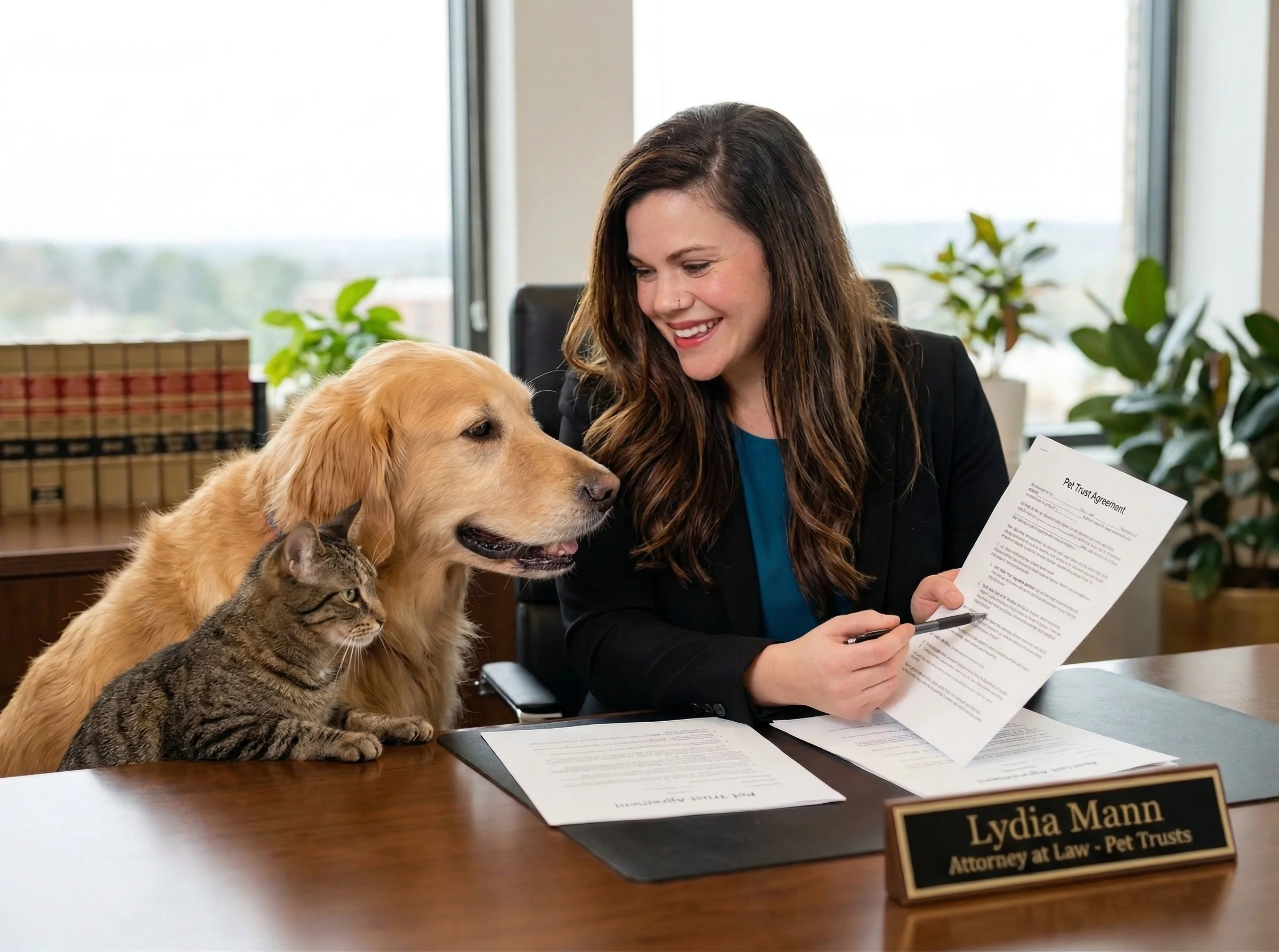
What Happens to My Pet If I Die? Planning for Your Fur-Family in Nebraska
Your pets are family, but too often they are left out of estate planning. If something happened to you tomorrow, would anyone know who should care for your dog or cat, how that care should be paid for, or what would happen if you became incapacitated instead of passing away? In Nebraska, there are options, from informal caregiver arrangements to legally enforceable pet trusts. This article walks through what actually works, what does not, and how to make sure your fur-family is protected.

Blended Family Estate Planning in Nebraska: How Do You Protect Your Spouse and Your Children?
Blended family estate planning is where “simple” plans tend to break. If you’re remarried (or planning to be), leaving everything to your spouse and trusting it will “work out later” can unintentionally disinherit your children from a prior relationship. Nebraska law also adds wrinkles most people don’t see coming, including the elective share and augmented estate rules that can affect what a surviving spouse is entitled to claim, even when a will says otherwise. A good blended-family plan isn’t about picking sides. It’s about building a structure that protects your spouse with real financial security, while also locking in a protected legacy for your children, and coordinating beneficiary designations so your plan actually works when it matters most.

With the New $15M Federal Exemption, Do Nebraska Business Owners Still Need an Estate Plan?
Estate planning looks different when you own a business. With the new $15 million federal exemption now in place, most Nebraska business owners no longer need to plan out of fear of a federal tax hit. But the risks aren’t gone — they’ve shifted. Nebraska inheritance tax, probate delays, and unclear succession planning can still derail a company, disrupt operations, and leave family members or business partners in conflict. A trust-based plan, aligned with your operating agreement and funded buy-sell strategy, helps protect the business you’ve built and ensures someone you trust can step in immediately if something happens. If you own a business in Nebraska, estate planning is now less about taxes and more about continuity, privacy, and control.

Bank or Brother-in-Law: Who Should You Put in Charge of Your Nebraska Estate Plan?
Choosing who will manage your estate is one of the most personal decisions in planning for the future. For some Nebraska families, naming a relative works perfectly. For others—especially where there’s conflict, blended families, or complex assets—a corporate fiduciary like a bank or trust company can provide the neutrality and professional oversight that keeps things running smoothly. In my practice, I help clients weigh the pros and cons of each option, understand how Nebraska law protects them, and build estate plans that reduce stress, prevent disputes, and honor their long-term goals. If you’re unsure whether a family member or a corporate fiduciary is the right fit, this guide walks you through what you need to know.

How Can Burial Insurance and Prepaid Funeral Plans Strengthen Your Nebraska Estate Plan?
Plan ahead with confidence. This guide explains how burial insurance and prepaid funeral plans work in Nebraska, how they fit into your will or trust, and when irrevocable arrangements can help with Medicaid eligibility. Learn the pros and cons of each approach, how to document your wishes, and the practical steps to protect your family and your estate.

Avoiding Legal “Jump Scares” in Nebraska: A Guide to Guardianship, Custody, and Powers of Attorney
When legal emergencies strike — a sudden guardianship filing, an ex parte custody order, or a medical crisis without a power of attorney — families can find themselves overwhelmed and unprepared. This post explains how to prevent these “legal jump scares” before they happen. Learn how guardianship nominations, updated custody plans, and durable powers of attorney can protect your rights, your loved ones, and your peace of mind.

Planning Your Legacy: What Taylor Swift’s “Elizabeth Taylor” Teaches Us About Glamour, Impact, and Estate Planning
Taylor Swift’s “Elizabeth Taylor” is about legacy, reinvention, and what endures after we’re gone. In this post, we explore how Nebraskans can plan their own legacies through wills, trusts, charitable giving, and even protecting creative works—ensuring that what matters most lives on.

Estate Planning After Divorce or Loss: What Taylor Swift’s “Opalite” Teaches Us About Emotional Healing
Inspired by Taylor Swift’s “Opalite,” this post explores how estate planning in Nebraska can be a form of healing after divorce or loss. Learn why updating wills, trusts, powers of attorney, and beneficiary designations isn’t just a legal step—it’s a way to reclaim clarity, protect your loved ones, and move forward with peace of mind.

Can I Disinherit Someone for Committing a Crime in Nebraska?
Thinking about disinheriting someone for bad behavior? Nebraska law makes it more complicated than it sounds. While you can generally disinherit most heirs, vague “crime clauses” in wills and trusts often fail and lead to costly court battles. Learn why Nebraska’s slayer statute already covers certain situations, what rights spouses and minor children still have, and smarter alternatives like incentive trusts that actually work.

Fair vs. Equal: Do I Have to Leave My Kids Equal Inheritances in My Nebraska Will?
Equal isn’t always fair when it comes to inheritances. Nebraska law gives parents the freedom to distribute assets in a way that reflects their family’s unique circumstances. With clear planning and open communication, you can protect your children, prevent disputes, and leave behind a legacy of peace of mind.

How Do You Protect a Nebraska Farm Through Inheritance, Marriage, and Co-Ownership?
Nebraska farms aren’t just land—they’re legacies. But when ownership changes through inheritance, marriage, or co-ownership, families can face probate delays, debt, and conflict that put the farm at risk. With the right estate planning tools and agreements, you can protect your land, avoid disputes, and keep your farm in the family for generations.

Do I Need a Will? A Nebraska Parent’s Guide to Protecting Your Children
Most Nebraska parents don’t have a will—but without one, the state decides who raises your children and how your assets are divided. A will lets you choose a guardian, protect your spouse, and safeguard your children’s inheritance with a trust. It’s one of the most important steps you can take to provide stability and security for your family.

The Problem with Legal Defaults: Why Tradition Isn’t Always Fair
Why are women’s bathroom lines longer? Not because of “going in pairs,” but because equal square footage doesn’t mean equal outcomes. The same is true in Nebraska law. Parenting plans, intestacy rules, and immigration procedures may look fair on paper, but in practice they often disadvantage families. In this post, we explore how legal defaults fail Nebraska families—and how the right planning and advocacy can make outcomes truly fair.

The Biggest Estate Planning Mistakes (and How to Avoid Them)
Estate planning should do more than create a stack of documents — it should create a plan that actually works. This post walks through some of the most common estate planning mistakes and how to avoid them, so your plan protects what matters most when it’s needed.

What Robin Roberts’ Story Teaches Us About Protecting Your Partner’s Rights in Nebraska
Robin Roberts’ marriage to her longtime partner highlights an important truth: in Nebraska, health care decisions for LGBTQ+ and chosen families require more than love—they require legal protection. Learn why Advance Directives and Durable Powers of Attorney are essential.
Please note:
The content on this blog is for general informational purposes only and is not legal advice.
Reading it does not create an attorney-client relationship.
For personalized guidance tailored to your specific circumstances,
it's always best to connect with a qualified attorney.