

What Does Legal Capacity Mean in Nebraska, and When Might It Be Too Late to Sign?
Legal capacity issues often come up when families are already under stress, and Nebraska law does not always give easy, one-size-fits-all answers. This article explains how capacity works in Nebraska for wills, financial powers of attorney, health care powers of attorney, guardianship, and conservatorship, and why timing matters when planning may be narrowing. It is designed to help readers better understand the legal framework, the risks of waiting too long, and the difference between a medical diagnosis and a legal finding.

What Can Cher’s Conservatorship Story Teach Nebraska Families About Adult Conservatorships in Nebraska?
Cher’s conservatorship story put a deeply personal legal issue into the national spotlight, but Nebraska families need Nebraska answers. This post explains how adult conservatorships, guardianships, emergency relief, and powers of attorney actually work under Nebraska law, including when a court may step in, what evidence matters, and why planning ahead can sometimes reduce the need for court involvement.

What Should Nebraska Vendors Know After the Painted Tree Lincoln Shutdown?
When Painted Tree suddenly shut down its Lincoln location, many Nebraska vendors were left asking the same urgent questions: Can I get my inventory back, what happens to unpaid sales, and does bankruptcy change everything? This post breaks down what small business owners should know about vendor agreements, inventory rights, possible Chapter 7 issues, and why Nebraska UCC rules may matter just as much as the contract itself. It is written to give practical, plain-English guidance for vendors trying to protect their goods, preserve their claims, and avoid costly mistakes in a fast-moving situation.

What Happens If You Lie to Your Lawyer in Nebraska?
Can you lie to your lawyer and still expect your case to hold together? In this Nebraska-specific article, attorney Zachary W. Anderson explains how attorney-client privilege differs from confidentiality, when consultation communications may be protected, and why false or incomplete information can create real problems once it reaches court filings, affidavits, depositions, or hearings. If you are dealing with divorce, custody, guardianship, conservatorship, or estate-related issues in Nebraska, this post offers a practical, plain-English explanation of what the law protects, where the limits are, and why honesty with your lawyer is usually the safest strategy.

How Can I Help Protect My Parent From Power of Attorney Misuse by a Sibling in Nebraska?
A power of attorney can be one of the most useful estate-planning tools a family has, but it can also become a source of confusion, secrecy, and conflict when one sibling controls the finances and no one else understands the rules. This Nebraska-focused article explains what a financial power of attorney does and does not allow, what duties an agent owes, what red flags may suggest misuse, and what formal options may exist in some situations. It is written for real families trying to protect a parent while staying grounded in Nebraska law.

What Can Nebraska Families Learn From the Justin and Cerina Fairfax Tragedy About Divorce, Domestic Violence, Custody, and Estate Planning?
The Fairfax tragedy is heartbreaking, but it also raises legal questions Nebraska families ask every day when divorce, custody, safety concerns, and planning for children all collide. This post explains what Nebraska courts can and cannot do when conflict escalates, including temporary orders, protection orders, custody restrictions, mediation, and why estate planning matters more than many people realize during a family crisis.

How Do Nebraska Judges Decide Child Custody in a Nebraska Divorce?
Child custody cases in Nebraska are rarely as simple as people hope. Even though judges all apply the same “best interests of the child” standard, different judges can weigh stability, credibility, conflict, communication, and practical day-to-day parenting realities in very different ways. This article explains how Nebraska custody law actually works, why judicial discretion matters, and what parents should understand about parenting plans, joint custody, school decisions, mediation, and the evidence that often shapes the final result.

Is your kid headed to Coachella? What Legal Documents Should a Nebraska 18-Year-Old Have Before Traveling Out of State?
When a Nebraska child turns 18, many parents assume they automatically lose all ability to help in a medical emergency. The real answer is more nuanced, especially under Nebraska law. This post explains what legal documents may matter before an 18-year-old travels out of state, including how a health care power of attorney differs from a HIPAA authorization, why Nebraska’s age rules are not as simple as many national articles suggest, and what families should understand before a college trip, festival, internship, or summer travel. If you want a practical, Nebraska-specific explanation without the scare tactics, this is a good place to start.

How Does Nebraska Divide a Family Farm or Business in a Divorce?
Dividing a family farm or closely held business in a Nebraska divorce is rarely as simple as splitting everything in half. This article explains how Nebraska courts separate marital from nonmarital property, why active versus passive appreciation can make a major difference, how farms and businesses are valued, and what the recent Nebraska Court of Appeals decision in Jeffers v. Jeffers means for real-world divorce cases involving land, corporations, and family operations. It is written to help readers understand the law in plain English while giving them a practical sense of what actually matters when these assets are at stake.

Can a Nebraska Driver Bring a PTSD Claim Against a Pedestrian’s Estate After a Fatal Crash?
A recent Lincoln case raises an unusual but important Nebraska legal question: can a driver bring a PTSD claim against a deceased pedestrian’s estate after a fatal crash? This article breaks down the Nebraska cases, probate claim rules, comparative-fault issues, and insurance limits that may shape that kind of lawsuit, while keeping the focus on what families, personal representatives, and readers should actually understand about estate-related claims.

What Do 13 Years as a Nebraska Attorney Teach You About Divorce?
After 13 years practicing law, one thing has become clear: most Nebraska divorces are not really about who was more wrong. They are about what happens next. This post breaks down what Nebraska divorce law actually focuses on, including residency, waiting periods, parenting plans, mediation, and the practical steps that help people move forward with more clarity and less chaos.

Do You Have to Pretend to Belong in Law School to Make It?
What happens when a queer, funny, chronically self-aware law student stops trying to perform professionalism and starts telling the truth instead? This blog is an honest look at belonging, burnout, identity, and the quiet relief of realizing you were never the only one struggling.

The Anniversary: One Year of Doing Law Differently
What started as one person’s idea has become something so much bigger: a growing firm built on authenticity, resilience, advocacy, and the belief that legal services can be both excellent and deeply human.

What Does a Divorce in Nebraska Actually Look Like?
Divorce in Nebraska is more than a life change. It is a legal process with rules about filing, waiting periods, parenting plans, property division, and next steps. This post explains what divorce here actually looks like, what Nebraska courts focus on, and what to gather before you file or respond.

When Should I Go Back to Court Over Co-Parenting Disagreements in Nebraska?
Not every co-parenting disagreement belongs in court. This Nebraska guide explains when a parenting conflict is a real legal issue, when mediation may be the better tool, and what parents should gather before filing.

Can Divorced Parents Buy a Duplex Together in Nebraska?
A Nebraska family law look at whether divorced parents can buy a duplex together, how parenting plans still matter, and the legal and practical issues to think through before trying a close-proximity co-parenting setup.

Can I Change a Nebraska Parenting Plan When My Ex and I Cannot Agree on School, Doctors, or Activities?
When Nebraska parents share joint legal custody, disagreements about school, medical care, counseling, and extracurricular activities can turn into ongoing deadlocks. This post explains when those conflicts may justify modifying a parenting plan, what Nebraska courts actually look at, and how a recent Nebraska Court of Appeals decision shows judges can create practical tie-breaking rules without automatically ending joint custody.

Can My Ex Choose Conversion Therapy for Our Child in Nebraska After the 2026 Supreme Court Ruling?
Can your ex choose conversion therapy for your child in Nebraska without your permission? Usually not, if you share joint legal custody and your parenting plan does not give either parent final authority over major health decisions. Written from both legal and lived experience, this post explains what the 2026 Supreme Court ruling did and did not change, how Nebraska parenting plans handle major treatment decisions, and what parents should gather before mediation or court

Will the Judge Hear My Whole Story in a Nebraska Divorce?
A Nebraska divorce judge is usually deciding specific legal issues, not listening to every detail of the marriage. This article explains what really matters, why hearings can feel so short, and how to prepare in a way that helps your case.
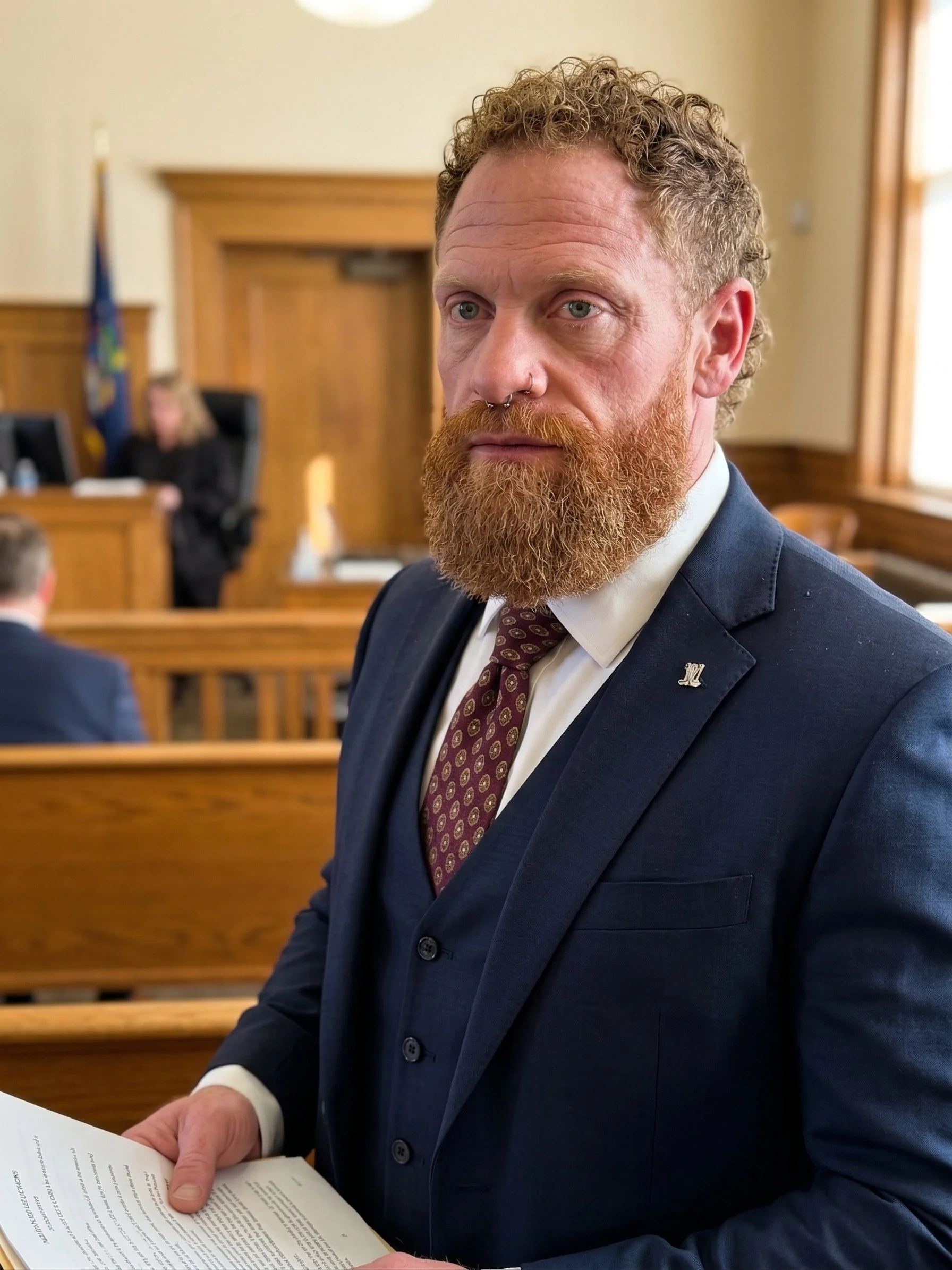
If My Spouse Promised I Could Stay in the House, Will a Nebraska Prenup or Will Protect Me?
A spouse’s promise about the house may not hold up after death if the deed, prenup, and will do not match. A new Nebraska Supreme Court case shows what remarried couples and blended families in Nebraska should review before a probate dispute starts.
Want to stay in the loop without checking back every week?
You can subscribe to updates from my blog using RSS. It’s an easy way to get new posts in your favorite app—no social media or email required.
Here’s the link to subscribe:
https://www.zandersonlaw.com/blog?format=rss
You can paste that into a feed reader like Feedly, Inoreader, or even some email clients.
Not sure what RSS is?
It’s kind of like subscribing to a news feed—just for this blog.
You’ll automatically see new articles when they’re posted, without needing to follow or sign up for anything else.
Please note:
The content on this blog is for general informational purposes only and is not legal advice.
Reading it does not create an attorney-client relationship.
For personalized guidance tailored to your specific circumstances,
it's always best to connect with a qualified attorney.