

How Do You Stay Grounded When Divorcing a High-Conflict Ex in Nebraska?
High-conflict divorce isn’t about who argues more — it’s about how conflict is handled when emotions run high and children are involved. In Nebraska custody and divorce cases, staying grounded protects your credibility and can directly affect how a judge views your case. When conflict becomes entrenched, courts may rely on tools like Specialized Alternative Dispute Resolution (SADR) under the Nebraska Parenting Act to restore structure and accountability. Calm, strategic responses aren’t just good advice — they’re often the difference between chaos and resolution.

High-Conflict Co-Parenting & Custody in Nebraska: How Does It Really Affect Your Case and Your Kids?
High-conflict custody cases in Nebraska are rarely decided by a single argument or incident. Courts look at patterns—how parents communicate, regulate emotions, and prioritize their child’s well-being over ongoing conflict. As a Lincoln family law attorney and Guardian ad Litem, I see how unmanaged conflict can quietly damage an otherwise strong case and place unnecessary stress on children. This article explains how high-conflict co-parenting affects custody decisions under the Nebraska Parenting Act, why your texts and emails matter more than you think, and how practical tools like BIFF communication and mental health support can protect both your credibility and your child’s long-term stability.

How Did a Nebraska Guardian Accused of Abuse Keep Dozens of Wards—and What Does That Reveal About Our Guardianship System?
When Nebraska families place a loved one under guardianship, they expect protection—not exploitation. But recent investigative reporting revealed that a private guardian accused of abusing a vulnerable adult remained court-appointed for dozens of others across the state. That case exposed a critical gap in Nebraska’s guardianship system: private guardians are not subject to the same caseload limits or oversight as the Office of Public Guardian.
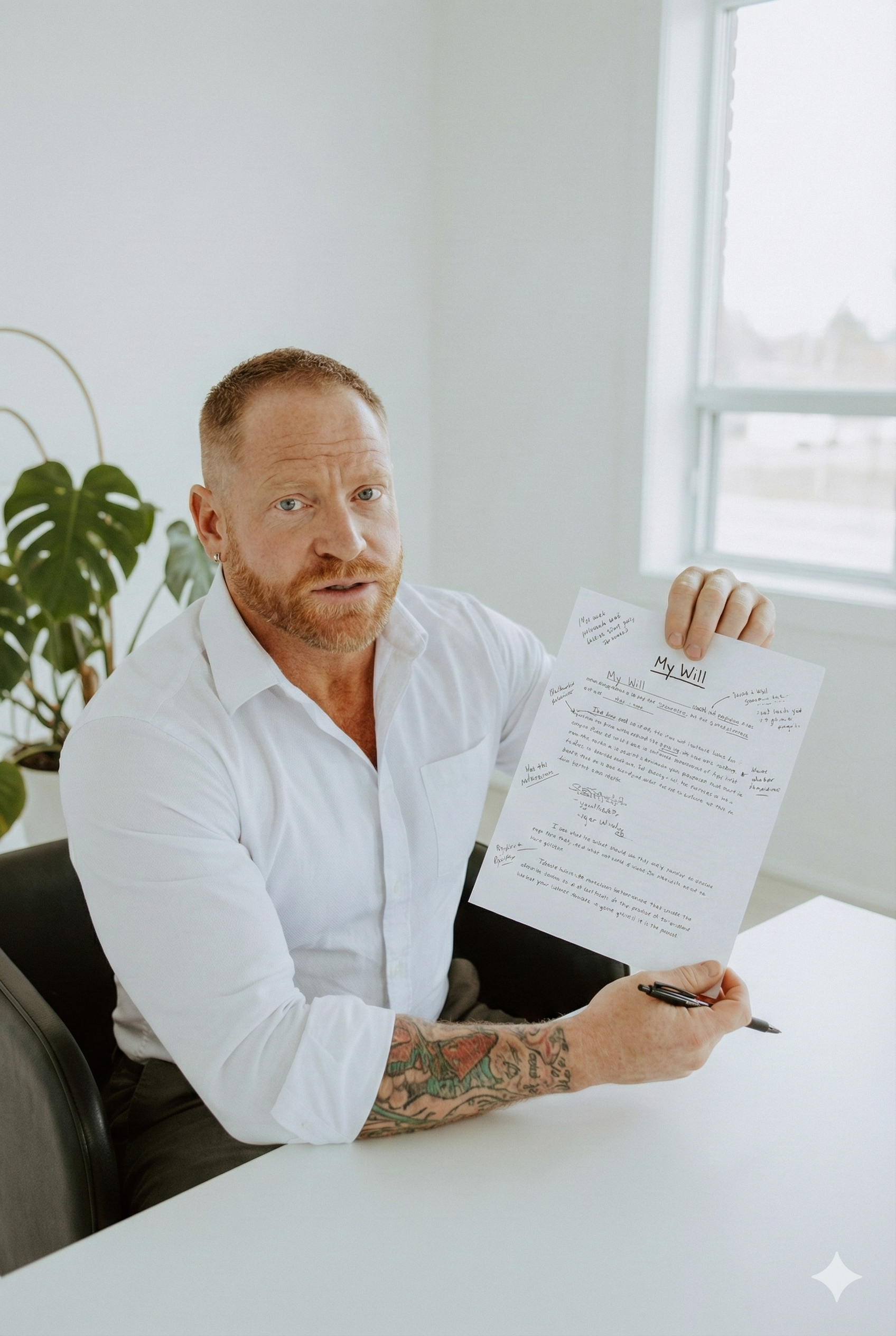
Are Handwritten “Napkin Wills,” Text Messages, or DIY Wills Actually Valid in Nebraska?
Many Nebraska families assume a handwritten note, text message, or video will control what happens after death. In reality, Nebraska probate law is strict about what counts as a valid will, and informal “napkin wills” often fail. This article explains when handwritten wills work, why DIY documents cause disputes, and how to protect your family from unnecessary probate fights.

Considering Divorce? What “The Other Woman” Gets Wrong (And What Nebraska Law Actually Says)
Movies make divorce look dramatic. Nebraska law makes it procedural. Using The Other Woman as a pop-culture lens, this article explains what divorce actually looks like in Nebraska—how courts handle cheating, hidden assets, and family businesses, and why discovery and equitable distribution matter far more than “gotcha” moments. If you’re on the fence about divorce or worried about finances, this guide walks through the real rules, common misconceptions, and practical steps to protect yourself before things escalate.

What Is Pebley v. Pebley and Why Does It Matter for Nebraska Divorce Cases?
Divorce cases are rarely decided by who tells the better story. In Pebley v. Pebley (2026), the Nebraska Court of Appeals made that clear—showing how custody decisions, premarital property claims, and large equalization payments actually rise or fall in real cases. This article breaks down what the court did, why it mattered, and what Nebraska parents and spouses need to understand before walking into court.

Why Does Divorce Feel So Overwhelming in Nebraska (And How Can Your Emotions Affect the Legal Outcome)?
Divorce in Nebraska is overwhelming because you’re grieving the end of a marriage while being asked to make fast, permanent legal decisions about custody, property, and support. This post explains how emotions like shock, anger, and burnout can quietly affect your divorce case—and what you can do to protect your future while you’re still in the middle of it.

How Do You Tell Your Spouse You Want a Separation During “Divorce Month”?
January is often called “Divorce Month,” but deciding to end a marriage is rarely sudden. If you’re thinking about asking for a separation, how you start that conversation matters—emotionally and legally. In Nebraska, the words you use and the timing of that conversation can affect custody, finances, and your legal options, including whether Legal Separation makes sense. This guide explains how to have the conversation clearly and safely, what to avoid, and how Nebraska divorce and separation laws actually work—so you can move forward informed, not overwhelmed.

The Wicked Middle: How Nebraska Divorce Law Handles Life After the Story Breaks
Using Wicked as a lens, this article explores how divorce in Nebraska is less about villains and more about choices. It explains no-fault divorce, Parenting Plans, and the “best interests of the child” standard, while helping readers understand how to rewrite their lives after a marriage ends.

What “Heated Rivalry” Gets Right About Closeted Athletes, At-Will Employment, and LGBTQ+ Rights in Nebraska
What Heated Rivalry Gets Right About Closeted Athletes and Nebraska Employment Law. The fear that drives the characters in Heated Rivalry—losing a career, being labeled a distraction, or quietly sidelined—is the same fear many LGBTQ+ workers and athletes in Nebraska face today. This article explains how federal law, Nebraska enforcement through the NEOC, and local protections like Lincoln’s municipal code actually work when sexual orientation or gender identity becomes an unspoken workplace issue.

What Can Stranger Things Teach Us About Guardianship and Child Custody in Nebraska?
Why Stranger Things Is a Surprisingly Good Guide to Nebraska Guardianship Law. What happens when parents can’t safely care for a child? Using Eleven’s story as a real-world lens, this article explains how Nebraska courts handle guardianship, non-parent custody, and the “best interests of the child” standard, including recent law changes that affect who can serve as a guardian. A practical, Nebraska-specific guide for families planning ahead or facing a crisis.

Will Tourists Have to Share Their Social Media to Enter the United States Under Trump’s New Proposal?
In December 2025, the Trump administration proposed a rule that could fundamentally change how foreign tourists enter the United States. Under the plan, many visitors would be required to disclose years of social media history, along with extensive contact and family information, as a condition of travel. The proposal is not yet law, but it raises serious questions about privacy, free expression, and the practical realities of international travel. This article explains who would be affected, what information could be required, and what travelers and families should know before planning a visit to the U.S.

Why is relying on the State to be your “emergency contact” in Nebraska such a HUGE risk?
Most people assume the state will step in if they lose capacity without a plan. In Nebraska, that assumption is risky. The Office of Public Guardian was nominated 124 times in one year and accepted only two cases. That reality changes everything about how families should think about powers of attorney, guardianship, and planning ahead. This post breaks down why relying on a “safety net” isn’t a plan, how recent Nebraska law has made guardianship more complicated, and what you can do now to stay in control and keep your family out of crisis court.

2025 Was the Year This Firm Was Born
2025 was the year Zachary W. Anderson Law was born. What began as a true solo practice quickly grew into a firm built on clarity, compassion, and advocacy, serving clients across Lincoln and Nebraska during some of the most difficult moments of their lives. Rooted in dignity and lived experience, and led by Nebraska’s Premier Queer Attorney, this firm exists because people trusted us to show up, tell the truth, and stand beside them when it mattered most.

How Does Filing for Divorce in January Affect Child Custody Schedules in Nebraska?
Filing for divorce in January can quietly shape your child custody schedule for the entire year. In Nebraska, temporary custody orders are often set quickly and frequently based on written affidavits, not live testimony. That early schedule can become the foundation of your final parenting plan. This guide explains how January filings affect school routines, holidays, and parenting time—and how planning ahead can help parents keep control during one of the most important moments in a custody case.

The Hidden Bar: How Minority Professionals Experience the Legal Workplace Differently
Discrimination in the legal profession rarely looks like a locked door. For many minority professionals, it shows up as subtle pressure, higher scrutiny, and quiet exclusion. In this piece, we examine the “hidden bar” in legal workplaces, the legal protections that exist, and why representation is not just a diversity goal, but a professional necessity.

What Happens If My Unmarried Partner Dies Without a Will in Nebraska?
If your unmarried partner dies without a will in Nebraska, the law does not treat you as an heir or default decision-maker. Assets typically pass to parents, siblings, or children, not to a long-term partner. This article explains how Nebraska intestacy and medical decision-making laws actually work, the risks unmarried couples face, and how the right estate planning documents can protect the person you love.

Is a Marriage License Really the Riskiest Contract You Will Ever Sign in Nebraska?
Most couples in Nebraska sign a marriage license without realizing it quietly rewrites their property rights, debt exposure, and legal decision-making under state law. This article explains why a marriage license functions like a powerful legal contract, how Nebraska’s equitable distribution rules actually work, and when tools like prenuptial agreements and estate planning can protect both spouses before a crisis hits.

Can One Outdated Beneficiary Form Wreck an Otherwise Good Nebraska Estate Plan?
Beneficiary designations often control more of your estate than your will. In Nebraska, retirement accounts, life insurance, and certain bank or investment accounts pass by contract, which means outdated forms can undermine even careful planning. This post walks through the most common mistakes, the divorce-related legal nuances that trip people up, and how to make sure your estate plan actually works when it matters.

How Can Nebraska Families Reduce Holiday Stress When Custody or Other Family Law Issues Are Involved?
Holiday custody disputes are one of the most common sources of conflict for Nebraska families. When parenting plans, co-parenting stress, and holiday expectations collide, even small misunderstandings can escalate quickly. This guide explains how Nebraska holiday custody schedules actually work, what the law expects from parents, and how to protect your children and your rights during the most stressful season of the year.
Want to stay in the loop without checking back every week?
You can subscribe to updates from my blog using RSS. It’s an easy way to get new posts in your favorite app—no social media or email required.
Here’s the link to subscribe:
https://www.zandersonlaw.com/blog?format=rss
You can paste that into a feed reader like Feedly, Inoreader, or even some email clients.
Not sure what RSS is?
It’s kind of like subscribing to a news feed—just for this blog.
You’ll automatically see new articles when they’re posted, without needing to follow or sign up for anything else.
Please note:
The content on this blog is for general informational purposes only and is not legal advice.
Reading it does not create an attorney-client relationship.
For personalized guidance tailored to your specific circumstances,
it's always best to connect with a qualified attorney.