

When Is Something Really an Emergency in Nebraska Family Court?
Not every custody dispute or family conflict qualifies as a legal emergency. In Nebraska, judges reserve ex parte and emergency orders for situations involving immediate, irreparable harm supported by sworn evidence. This guide explains how Nebraska courts actually evaluate emergency motions, why affidavits often matter more than courtroom testimony, and what parents should file instead when a situation is serious but not truly emergent. Written from the perspective of a Lincoln family-law attorney who regularly practices in Lancaster County, this article helps you protect both your child and your credibility with the court.

What If “Home Alone” Happened in Nebraska? Child Neglect, CPS, and Custody Explained
What would really happen if Home Alone took place in Nebraska instead of Hollywood? While the movie plays it for laughs, Nebraska law treats leaving a child home alone as a serious legal issue. Parents could face a CPS investigation, criminal child neglect charges, and lasting consequences in custody or parenting time cases. Nebraska has no set legal age for staying home alone, so courts and child welfare officials look at the totality of the circumstances—age, safety, supervision, and risk. This article breaks down how Nebraska law actually handles these situations and explains the practical steps parents can take to protect their family before travel or emergencies.
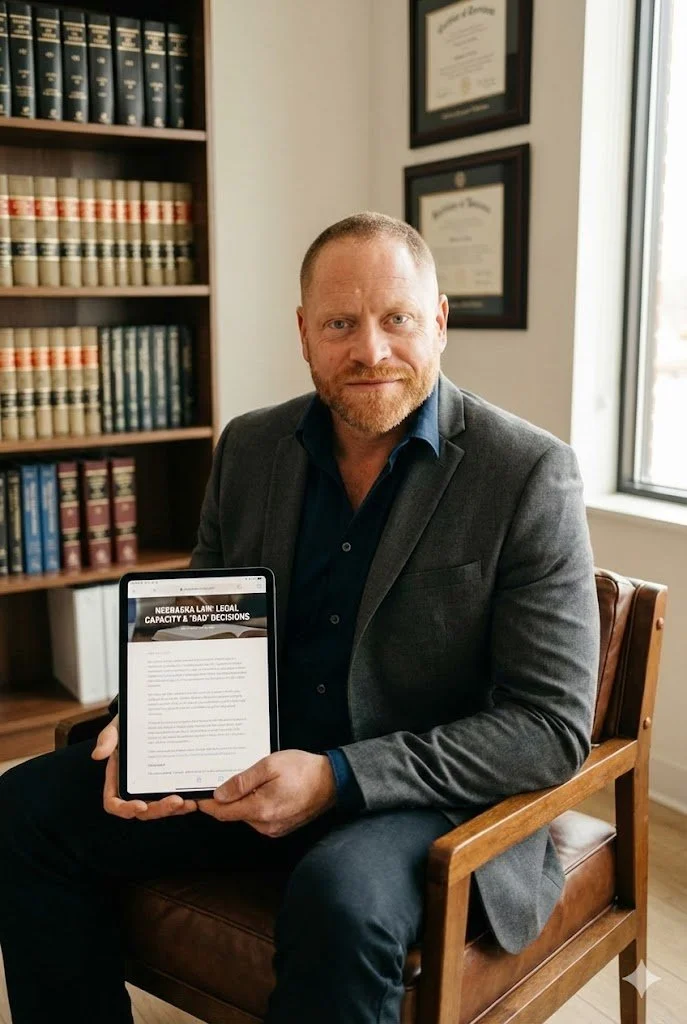
Does Making “Bad” Decisions Mean Someone Lacks Legal Capacity in Nebraska?
Does making “bad” decisions mean someone lacks legal capacity in Nebraska? Not necessarily. Under Nebraska law, adults are presumed to have capacity, even when their choices seem risky or unwise to others. Courts focus on how a decision is made, not whether family members or judges agree with the outcome. This article explains how Nebraska courts evaluate decision-making capacity, why guardianship requires clear and convincing evidence, and how concepts like the least restrictive alternative protect individual autonomy in estate planning, guardianship, and settlement disputes.

Can an iPhone Note Be a Valid Will in Nebraska? What the Law Actually Says
You may have seen headlines claiming an iPhone note was accepted as a valid will. That story does not translate to Nebraska. Under Nebraska law, digital notes and text messages almost always fail as wills—no matter how clear your intent is. Here’s what really works, what doesn’t, and why relying on your phone can put your estate at risk.

The “January Divorce” Spike: How Post-Holiday Filings Affect Your Finances in Nebraska
Why do so many Nebraska divorces get filed in January—and why does timing matter? After the holidays, divorce filings surge, and in Nebraska that timing can affect far more than emotions. Holiday debt, year-end bonuses, tax filing status, and the court’s discretion over when assets are valued can all shape who pays what. This article explains how Nebraska courts treat post-holiday spending, when debt may count as dissipation, and why filing sooner rather than later can protect you from being stuck with financial decisions you didn’t make.

Do College Athletes Need an Estate Plan? The Legal Reality of NIL in Nebraska
Do college athletes with NIL deals really need an estate plan? In Nebraska, the answer is often yes. Student-athletes can earn real income through Name, Image, and Likeness (NIL) agreements, but state-specific laws create legal gaps many families don’t expect. Nebraska’s age-19 rule, limits on how long NIL contracts can last, and strict rules around digital assets mean that default law may leave no one with authority to manage contracts, income, or medical decisions in a crisis. This article explains why estate planning has become a critical piece of NIL and how Nebraska student-athletes can protect what they’re building.

How do Nebraska courts decide when to limit or suspend a parent’s time with their child?
Nebraska courts rarely limit or suspend a parent’s time with their child. When they do, it’s because a judge believes contact would harm the child’s best interests. This post explains how Nebraska courts make that decision, using the 2025 Trent v. Trent case to show how allegations, therapy, and child preferences actually factor into parenting time rulings.

Can Parenting Apps Like OurFamilyWizard or AppClose Really Help in High-Conflict Co-Parenting Cases?
Can parenting apps really reduce conflict in Nebraska custody cases? Nebraska courts often encourage or order structured communication tools like OurFamilyWizard or AppClose when co-parenting conflict puts children in the middle. While no specific app is required by statute, judges have broad discretion under the Nebraska Parenting Act to require communication methods that serve a child’s best interests. This article explains how parenting apps work, why judges and guardians ad litem rely on them, and how the right tool can protect parents from “he said, she said” disputes while keeping the focus where it belongs—on the child.

Can You Inherit if You Are Accused of Murder? The Rob Reiner Case Explained
What happens to an inheritance when an heir is accused of murder? The recent deaths of filmmaker Rob Reiner and his wife have brought national attention to a little-known area of probate law: slayer statutes and simultaneous death rules. Under Nebraska law, a person who feloniously and intentionally kills another may be treated as having predeceased the victim, losing the right to inherit through a will, trust, joint property, or beneficiary designation. When spouses die close in time, Nebraska’s 120-hour rule can also determine whether they inherit from each other at all. This article explains how these laws work, why criminal charges are not always required to disinherit an heir, and what Nebraska families should understand about protecting their estate in worst-case scenarios.

What does Klahn v. Klahn tell us about modifying parenting time and child support in Nebraska?
In Klahn v. Klahn (2025), the Nebraska Court of Appeals clarified when judges can modify parenting time and child support—and when they can’t. The case explains limits on redefining parenting plans, reducing daily phone calls, and choosing the correct child support worksheet.

Why Is Scott Frost Suing the University of Nebraska Over “Phantom Income” and a $5 Million Buyout?
Scott Frost is suing the University of Nebraska over alleged mishandling of his coaching buyout and tax reporting. The case raises bigger questions about employment contracts, offset clauses, and “phantom income” that matter far beyond college football. This post breaks down what the lawsuit claims and why it matters under Nebraska law.

Do Fonts and Formatting Really Matter in a Nebraska Will?
Nebraska law doesn’t require a specific font for a valid will—but that doesn’t mean formatting is irrelevant. In real probate cases, wills are scanned, copied, and relied on by clerks, courts, and families under stress. Poor readability, cramped margins, or handwritten changes can create confusion, delay probate, or spark disputes, even when a will is technically valid. This article explains what Nebraska law actually requires, why “boring” formatting is often the safest choice, and how simple layout decisions can help your estate plan hold up in the real world.

How Can Social Media Affect Your Divorce or Custody Case in Nebraska?
Social media plays a bigger role in Nebraska divorce and custody cases than most people realize. Judges and attorneys regularly use posts, photos, messages, and even “private” content as evidence when evaluating credibility, co-parenting behavior, financial honesty, and the best interests of the child. A single screenshot can affect parenting time, support, or how the court views your judgment. This guide explains how your online activity is discovered, why deleting old posts can lead to legal trouble, and what you should—and shouldn’t—share while your case is active.
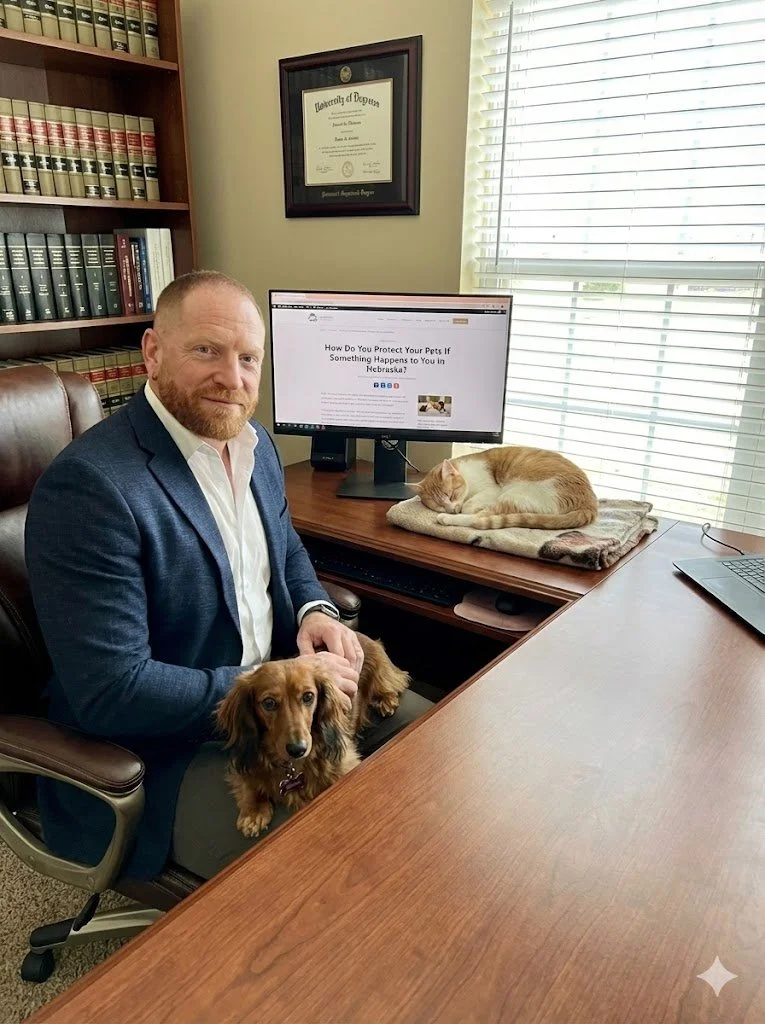
How Do You Protect Your Pets If Something Happens to You in Nebraska?
Planning for your pets isn’t just sentimental—it’s a real legal issue in Nebraska. Because pets are treated as property under state law, they aren’t automatically protected if you’re hospitalized or pass away. A Will alone won’t cover them during an emergency, and leaving money “to” a pet isn’t legally possible. The good news is Nebraska law gives you strong tools, including Pet Trusts under Neb. Rev. Stat. § 30-3834, to make sure your animals are cared for exactly the way you intend. With the right mix of a Power of Attorney, a Will or Trust, and clear care instructions, you can prevent your pets from ending up in a shelter and give your caregiver everything they need to step in confidently when life doesn’t go according to plan.

Parenting Time vs. Blizzards: How to Handle Custody During Nebraska Winters
Nebraska winters can turn parenting time into a safety dilemma. Courts don’t expect you to drive a child through white-out conditions, but they do expect clear communication, proof of dangerous weather, and a genuine effort to protect the other parent’s time. Learn how to handle blizzards, make-up parenting time, and avoid contempt during Nebraska’s harsh winter months.

Who owns your ugly Christmas sweater?
Ugly Christmas sweaters are fun to wear, but the artwork and branding printed on them are often protected under copyright, trademark, and Nebraska’s Right of Publicity laws. Whether you’re buying one or planning to sell holiday merch online, it’s important to understand who owns the design and when a license is required. This guide explains how IP law applies to holiday apparel and what you need to know before turning a festive idea into a business.

Should You Use a Codicil or Create a New Will in Nebraska?
Updating your will isn’t always straightforward, and many people in Nebraska aren’t sure whether they should add a codicil or start fresh with a new will. While a codicil can handle small updates like replacing an executor or correcting basic information, bigger changes—like adding children, removing a beneficiary, or updating how major assets are distributed—are usually better handled with a new will. Nebraska law requires codicils to follow the same signing and witnessing formalities as a will, so “quick fixes” can backfire if the change affects your overall plan. A clean, updated will is often the best way to avoid confusion, prevent probate delays, and ensure your wishes are honored.

With the New $15M Federal Exemption, Do Nebraska Business Owners Still Need an Estate Plan?
Estate planning looks different when you own a business. With the new $15 million federal exemption now in place, most Nebraska business owners no longer need to plan out of fear of a federal tax hit. But the risks aren’t gone — they’ve shifted. Nebraska inheritance tax, probate delays, and unclear succession planning can still derail a company, disrupt operations, and leave family members or business partners in conflict. A trust-based plan, aligned with your operating agreement and funded buy-sell strategy, helps protect the business you’ve built and ensures someone you trust can step in immediately if something happens. If you own a business in Nebraska, estate planning is now less about taxes and more about continuity, privacy, and control.

Should You Hire a Business Lawyer When Starting a Company in Nebraska?
Launching a business takes more than filing paperwork. In Nebraska, formation also requires steps like newspaper publication and biennial reporting — details many new owners overlook. A Nebraska business attorney can help you choose the right structure, draft strong contracts, and stay compliant so your business is protected from day one and built to scale with confidence.

Is Hostile Co-Parenting Communication a Form of Coercive Control Under Nebraska Law?
If every message from your co-parent creates stress, uncertainty, or fear, you’re not alone — and you’re not imagining it. Nebraska courts look beyond “who sent a mean text” and focus on patterns that affect a child’s stability and emotional safety. This post breaks down what coercive communication looks like, how it impacts kids, and when legal options become appropriate.
Want to stay in the loop without checking back every week?
You can subscribe to updates from my blog using RSS. It’s an easy way to get new posts in your favorite app—no social media or email required.
Here’s the link to subscribe:
https://www.zandersonlaw.com/blog?format=rss
You can paste that into a feed reader like Feedly, Inoreader, or even some email clients.
Not sure what RSS is?
It’s kind of like subscribing to a news feed—just for this blog.
You’ll automatically see new articles when they’re posted, without needing to follow or sign up for anything else.
Please note:
The content on this blog is for general informational purposes only and is not legal advice.
Reading it does not create an attorney-client relationship.
For personalized guidance tailored to your specific circumstances,
it's always best to connect with a qualified attorney.