

What Happens to Child Support in Nebraska When a Parent Earns Well Above the Guidelines?
High-income Nebraska child support cases often turn less on the chart and more on the evidence: what counts as income, what expenses are already included, and what child-specific needs should be addressed separately. This article explains how Nebraska courts may approach support above the guideline table, including bonuses, RSUs, business income, retained earnings, modifications, and additional child-related expenses.

How Do I Protect My Reputation and Business Relationships During a High-Profile Divorce in Nebraska?
A high-profile divorce in Nebraska can affect more than the marital estate. If you own a business, rely on referrals, employ people, or have a visible role in your community, the case can put your reputation, clients, employees, lenders, and court-file privacy under pressure. This article explains practical Nebraska-specific tools for reducing risk, including careful communication, discovery protections, business-document review, settlement terms, and attorney-led planning.

How Do Trusts Get Pulled Into a Nebraska Divorce — and How Do You Keep Them Out?
Trusts can complicate a Nebraska divorce, especially when family money, inheritance planning, child support, alimony, or commingled distributions are involved. This article explains how Nebraska courts may look at revocable trusts, third-party trusts, spendthrift provisions, trust distributions, and tracing records when trust issues appear in a divorce.

If I Sign a Prenup in Nebraska, Am I Also Giving Up Inheritance Rights?
A Nebraska prenup is not only a divorce document. It may also affect what a surviving spouse can receive if the other spouse dies. This article explains Nebraska’s default surviving-spouse protections, how broad waiver language can give those rights up, and why a prenup should be coordinated with wills, trusts, beneficiary designations, and retirement-plan paperwork.
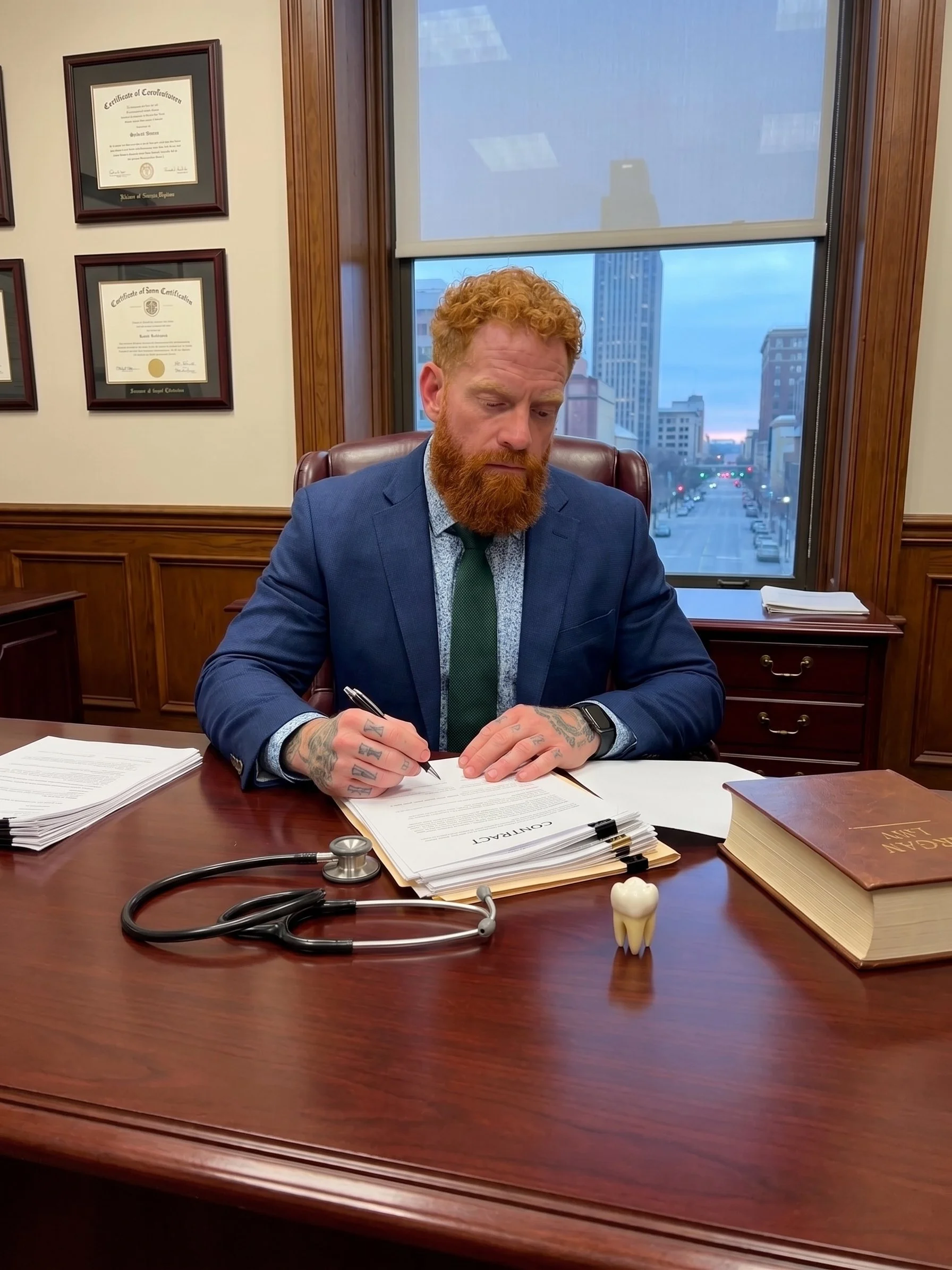
How Is a Medical, Dental, or Law Practice Valued and Divided in a Nebraska Divorce?
Divorce involving a medical, dental, law, or other professional practice can raise complex questions about valuation, goodwill, licensing rules, marital value, and buyout structure. In Nebraska, the court usually focuses on the marital value of the practice rather than simply dividing ownership. This article explains how Nebraska courts may approach professional-practice division and what practice owners and spouses should understand before taking a position on value.

Are Postnuptial Agreements Enforceable in Nebraska?
Can married couples use a postnuptial agreement to decide how property will be divided if they later divorce? Nebraska law treats these agreements differently from many other states. This article explains the rule from Devney v. Devney, the limited agreements Nebraska recognizes after marriage, and practical options for protecting an inheritance, business, farm interest, or estate plan.

How Do We Split Our Brokerage Account in a Nebraska Divorce Without Getting Hit With a Surprise Tax Bill?
Dividing a brokerage account in a Nebraska divorce is not always as simple as splitting the account balance. This article explains how carryover basis, built-in capital gains, in-kind transfers, and Nebraska equitable-division rules can affect the real value of investment accounts during divorce.

We Were Together for Years but Never Married: What Are My Rights If We Split Up in Nebraska?
If you lived with your partner for years but never married, a Nebraska breakup can raise difficult questions about the house, debt, children, pets, and estate planning. Nebraska does not create common-law marriage based on time together, so unmarried partners usually do not have the same property rights as divorcing spouses. This article explains how Nebraska law treats unmarried breakups, when custody and child support can be addressed, what protection-order relief may be available, and why clear documents matter before conflict starts.

Why Can’t I Think Clearly During My Nebraska Divorce?
Divorce can make even smart, capable people feel foggy, panicked, or numb — right when Nebraska law asks you to make decisions about custody, parenting plans, property, and your future. Here's why stress hijacks decision-making, what it means for mediation and settlement, and how to get steady enough to choose on purpose instead of reacting from exhaustion.

What Should I Do in the First 30 Days After My Nebraska Divorce Is Final?
The decree is signed — now what? The first 30 days after a Nebraska divorce are when the court order becomes real life, and it's where many post-decree problems quietly begin. From appeal deadlines and the six-month remarriage rule to vehicle titles, QDROs, parenting plan routines, and updating your estate plan, this guide walks you through exactly what to do (and what not to do) in that critical first month — so a small misstep doesn't turn into a contempt filing, a credit problem, or an avoidable fight.

Do I Need a Prenup in Nebraska? Understanding the “Belle Burden Bump”
Prenuptial agreements are having a cultural moment, but Nebraska couples need more than national headlines or celebrity divorce stories. In Nebraska, a premarital agreement can help couples clarify property, debt, business interests, inheritance, estate planning, and possible spousal support before marriage. This article explains what a Nebraska prenup can and cannot do, why timing and financial disclosure matter, and why these agreements should be approached as thoughtful planning rather than a sign that anyone expects the marriage to fail.

Do I Really Need a Prenup in Nebraska If I Don’t Have Much Money or Property?
You do not need to be wealthy to have a reason to consider a prenuptial agreement in Nebraska. A prenup can help engaged couples talk clearly about debt, future property, retirement, family gifts, inherited assets, business interests, and what should happen financially if the marriage ends. This article explains what a Nebraska prenup can and cannot do, why careful drafting matters, and why issues like appreciation, commingling, debt, alimony, and child-related matters should be handled thoughtfully before signing.

Why Do So Many Nebraska Wives File for Divorce First?
Why do so many wives file for divorce first? The answer is usually more complicated than one moment or one argument. This Nebraska-focused article explains why divorce may feel sudden to one spouse but long overdue to the other, what filing first does and does not mean legally, and how Nebraska courts approach custody, parenting plans, property division, alimony, and temporary orders.

How Do We Make Co-Parenting Work After Separating in Nebraska?
Separating as parents in Nebraska is not just a legal change. It is a family transition that requires structure, safety, and child-centered decision-making. This article explains how Nebraska parenting plans work, what legal custody and physical custody mean, how mediation may fit into the process, and why co-parenting is not always the right model when safety concerns are present. It also offers practical guidance for parents trying to protect their children from adult conflict while following court orders and building a workable two-household routine.

How Do I Navigate a Military Divorce in Nebraska?
Military divorce in Nebraska can involve more than the usual divorce issues. Service members and spouses may need to address deployment, parenting plans, child support based on military pay, alimony, military retired pay, DFAS rules, Survivor Benefit Plan coverage, TRICARE, and jurisdiction questions. This article explains the key Nebraska and federal issues military families should understand before filing, negotiating, or signing a divorce agreement

How Much Will My Nebraska Divorce Cost, and What Can I Do to Control It?
Divorce costs in Nebraska can vary widely depending on custody issues, property division, financial transparency, urgency, and how each spouse approaches the process. While no attorney can promise the total cost on day one, there are practical steps that can reduce avoidable fees, including getting organized early, staying responsive, narrowing your priorities, and using mediation or co-parenting support when appropriate. This article explains the biggest cost drivers in a Nebraska divorce and what you can do to make the process more manageable.

Is My Spouse Spying on Me During Our Nebraska Divorce?
Worried your spouse may be reading your messages, tracking your location, monitoring your home WiFi, or using cameras during a Nebraska divorce? This article explains what to do first, how to preserve evidence, when to avoid confrontation, and how surveillance concerns may affect divorce, custody, parenting plans, protection orders, and court evidence.

If I Hire a Nebraska Lawyer for a Lawsuit, Can They Handle Everything for Me?
Hiring a lawyer can make a Nebraska lawsuit more manageable, but it does not mean the client can disappear from the process. This article explains what a lawyer can usually handle, what clients may still need to provide, and why documents, testimony, discovery, mediation, and settlement decisions often require active participation. Whether the case involves divorce, custody, probate, guardianship, conservatorship, or another Nebraska legal dispute, understanding your role early can help you work more effectively with your attorney.

Will Getting a Divorce in Nebraska Hurt My Children?
Divorce is hard enough, but for parents, the biggest worry is often what it will mean for the children. In Nebraska divorce cases involving minor children, the court focuses on the child’s best interests, including custody, parenting time, parenting plans, safety, stability, and ongoing parental involvement when appropriate. This article explains how Nebraska courts approach divorce with children, what a parenting plan should address, how mediation or specialized dispute resolution may fit into the process, and practical steps parents can take to reduce conflict and protect their children during a major family transition.

How Are Personal Injury Settlements and Income Tax Debts Divided in a Nebraska Divorce?
A recent Nebraska Court of Appeals decision shows why financial records matter in divorce. In Bennett v. Bennett, the court addressed how personal injury settlement proceeds, commingled funds, valuation dates, and income tax debt may be handled as part of Nebraska property division. The key takeaway is not that every case will be treated the same, but that classification and tracing matter. If settlement funds, tax debts, separate accounts, or marital debt are part of your divorce, it is important to understand what documents may help the court determine what is marital, what may be nonmarital, and what can actually be proven.
Please note:
The content on this blog is for general informational purposes only and is not legal advice.
Reading it does not create an attorney-client relationship.
For personalized guidance tailored to your specific circumstances,
it's always best to connect with a qualified attorney.