

How Can a Business Valuation Be Manipulated in a Nebraska Divorce?
A closely held business can be one of the largest and most difficult assets to evaluate in a Nebraska divorce. This guide explains active appreciation, goodwill, valuation dates, financial warning signs, and the discovery tools lawyers use to investigate the numbers.

How Are Complex Assets, Hidden Funds, and Business Debts Divided in a High-Net-Worth Nebraska Divorce?
Businesses, rental properties, premarital equity, family gifts, luxury assets, and tax liabilities can make a Nebraska divorce unusually complex. Learn how Nebraska courts classify property and debt, why financial tracing matters, and which records can help create a reliable picture of the marital estate.

Why Do High-Net-Worth Nebraskans Need a Forensic Accountant During a Divorce?
High-asset Nebraska divorces often require more than ordinary property division. When a case involves a business, professional practice, farm or ranch, investment portfolio, trust, premarital asset, inheritance, or disputed income, forensic accountants can help trace funds, value complex property, analyze appreciation, evaluate goodwill, and clarify income for support. Careful financial evidence can make a meaningful difference in settlement, mediation, and trial preparation.

Is My Deferred Comp, Bonus, or “Phantom Income” Marital Property in a Nebraska Divorce?
Deferred compensation, performance bonuses, stock options, RSUs, business interests, and pass-through “phantom income” can make Nebraska divorce property division and support issues significantly more complex. Zachary W. Anderson Law helps clients identify what may be marital, what may be separate, what records matter, and how business valuation, support, and co-parenting issues fit together.

Who Pays for Private School Tuition and the “Extras” in a High-Asset Nebraska Divorce?
In Nebraska divorce and custody cases, private school tuition, club sports, tutoring, camps, and other child-related expenses can create conflict if the decree or parenting plan does not address them clearly. Our firm helps parents evaluate whether these expenses should be included in monthly support, handled separately, negotiated through mediation, or presented to the court with the right evidence and order language.

What Happens to Stock Options, RSUs, and Unvested Equity in a Nebraska Divorce?
Stock options, RSUs, and other unvested equity can be difficult to divide because their value and availability may depend on future employment, vesting conditions, taxes, and market performance. This guide explains how Nebraska courts may classify and divide equity compensation, what documents matter, and why the terms of the divorce decree require careful attention.
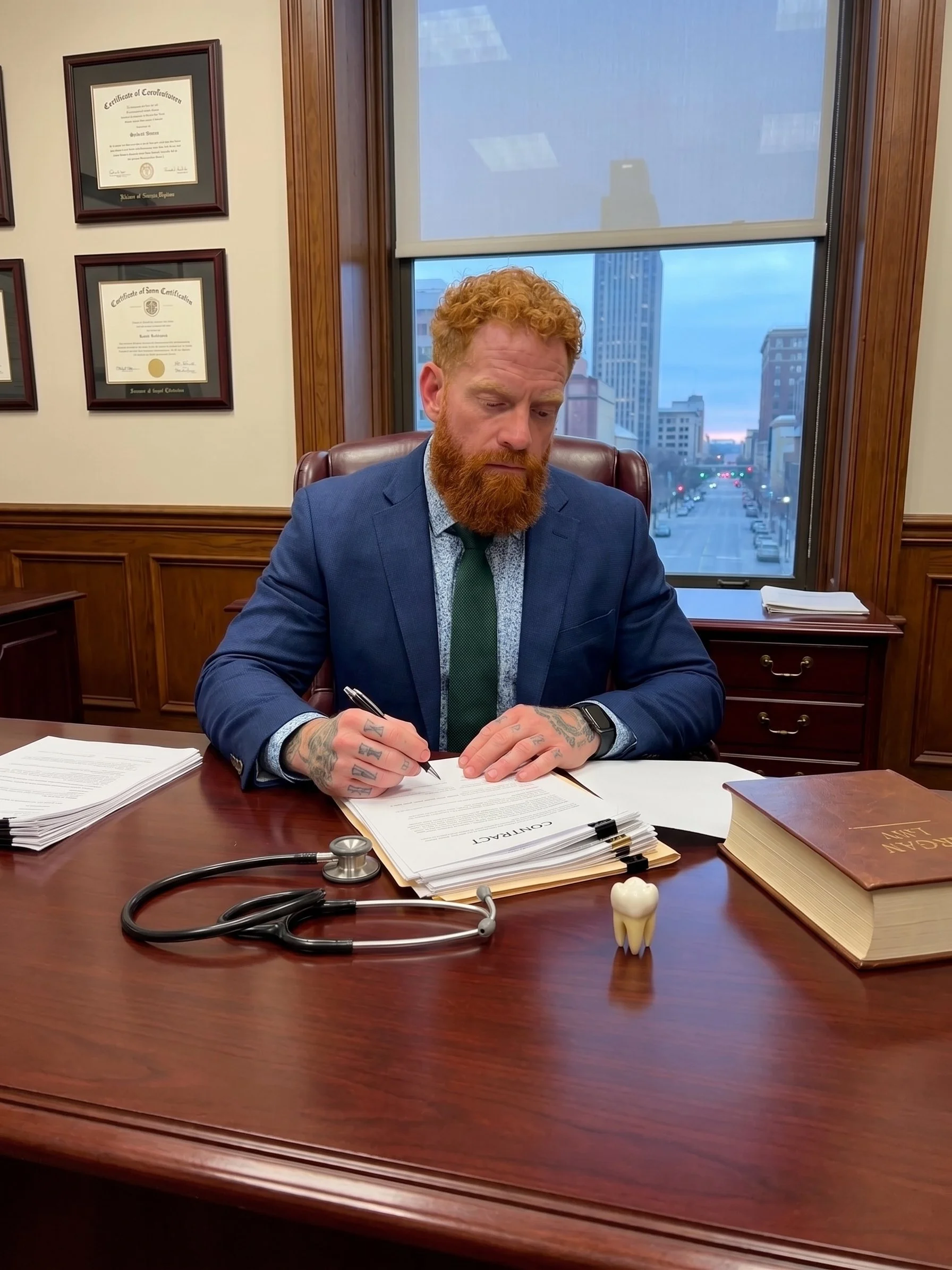
How Is a Medical, Dental, or Law Practice Valued and Divided in a Nebraska Divorce?
Divorce involving a medical, dental, law, or other professional practice can raise complex questions about valuation, goodwill, licensing rules, marital value, and buyout structure. In Nebraska, the court usually focuses on the marital value of the practice rather than simply dividing ownership. This article explains how Nebraska courts may approach professional-practice division and what practice owners and spouses should understand before taking a position on value.
Please note:
The content on this blog is for general informational purposes only and is not legal advice.
Reading it does not create an attorney-client relationship.
For personalized guidance tailored to your specific circumstances,
it's always best to connect with a qualified attorney.