

Who Keeps the House in a Nebraska Divorce When There Is Significant Equity?
Significant home equity can make a Nebraska divorce feel financially and emotionally overwhelming. This article explains how Nebraska courts classify and divide home equity, what Stava changed for premarital homes paid down during marriage, and the practical options for buyout, sale, or deferred sale.

What Does the "Great Wealth Transfer" Mean for Nebraska Families?
Nebraska families face estate-planning issues that generic national advice often misses. This article explains how Nebraska inheritance tax, probate, Transfer on Death deeds, beneficiary designations, divorce, remarriage, farms, family businesses, guardianship, and conservatorship planning can affect the transfer of wealth from one generation to the next.

Is My Deferred Comp, Bonus, or “Phantom Income” Marital Property in a Nebraska Divorce?
Deferred compensation, performance bonuses, stock options, RSUs, business interests, and pass-through “phantom income” can make Nebraska divorce property division and support issues significantly more complex. Zachary W. Anderson Law helps clients identify what may be marital, what may be separate, what records matter, and how business valuation, support, and co-parenting issues fit together.

Should I Name All My Children as Co-Executors of My Nebraska Estate?
Naming all of your children as co-executors may feel fair, but in Nebraska it can make probate harder to administer. Co-personal representatives generally must act together unless the will says otherwise, which can create delays with banks, real estate, creditor claims, tax issues, and distributions. A Nebraska estate plan often works better when it names one capable primary personal representative, lists alternates in order, and explains the choice clearly to the family.

What Happens to the Goodwill of My Business in a Nebraska Divorce?
Business goodwill can be one of the most valuable and disputed parts of a Nebraska divorce involving a closely held business, professional practice, farm operation, or family company. This article explains how Nebraska courts distinguish transferable enterprise goodwill from personal goodwill, how premarital business growth may become marital through active appreciation, and how business value can often be divided through offsets, buyouts, or structured payments.

What Financial Moves Should I Make Before Filing for Divorce in Nebraska?
Before filing for divorce in Nebraska, smart financial preparation means documenting records, preserving ordinary expenses, avoiding risky self-help transfers, and getting advice before moving significant money or property. This guide explains how Nebraska courts generally approach marital and nonmarital property, dissipation, premarital real estate under Stava, retirement division, temporary orders, child support, filing costs, and Parenting Act requirements.

What Does the Supreme Court’s Transgender Sports Ruling Mean for Nebraska Families?
The Supreme Court’s transgender sports ruling is a major legal development, but Nebraska families still need clear, local guidance. This article explains how the decision interacts with Nebraska’s LB 89, what questions remain open, and how school sports disputes can become custody, parenting-plan, and co-parenting issues.

Who Pays for Private School Tuition and the “Extras” in a High-Asset Nebraska Divorce?
In Nebraska divorce and custody cases, private school tuition, club sports, tutoring, camps, and other child-related expenses can create conflict if the decree or parenting plan does not address them clearly. Our firm helps parents evaluate whether these expenses should be included in monthly support, handled separately, negotiated through mediation, or presented to the court with the right evidence and order language.

What Happens to Child Support in Nebraska When a Parent Earns Well Above the Guidelines?
High-income Nebraska child support cases often turn less on the chart and more on the evidence: what counts as income, what expenses are already included, and what child-specific needs should be addressed separately. This article explains how Nebraska courts may approach support above the guideline table, including bonuses, RSUs, business income, retained earnings, modifications, and additional child-related expenses.

How Do I Protect My Reputation and Business Relationships During a High-Profile Divorce in Nebraska?
A high-profile divorce in Nebraska can affect more than the marital estate. If you own a business, rely on referrals, employ people, or have a visible role in your community, the case can put your reputation, clients, employees, lenders, and court-file privacy under pressure. This article explains practical Nebraska-specific tools for reducing risk, including careful communication, discovery protections, business-document review, settlement terms, and attorney-led planning.

How Do Trusts Get Pulled Into a Nebraska Divorce — and How Do You Keep Them Out?
Trusts can complicate a Nebraska divorce, especially when family money, inheritance planning, child support, alimony, or commingled distributions are involved. This article explains how Nebraska courts may look at revocable trusts, third-party trusts, spendthrift provisions, trust distributions, and tracing records when trust issues appear in a divorce.

If I Sign a Prenup in Nebraska, Am I Also Giving Up Inheritance Rights?
A Nebraska prenup is not only a divorce document. It may also affect what a surviving spouse can receive if the other spouse dies. This article explains Nebraska’s default surviving-spouse protections, how broad waiver language can give those rights up, and why a prenup should be coordinated with wills, trusts, beneficiary designations, and retirement-plan paperwork.

What Happens to Your Nebraska Business When You Die, and Why Isn't a Will Enough?
A will can name who inherits a Nebraska business, but it may not say who can run payroll, get into the records, or manage the company the morning after the owner dies. This guide walks through how Nebraska probate and business-entity rules treat sole proprietorships, LLCs, corporations, and partnerships, and what coordinated planning can do to close the gaps before a family has to.

What Happens to Stock Options, RSUs, and Unvested Equity in a Nebraska Divorce?
Stock options, RSUs, and other unvested equity can be difficult to divide because their value and availability may depend on future employment, vesting conditions, taxes, and market performance. This guide explains how Nebraska courts may classify and divide equity compensation, what documents matter, and why the terms of the divorce decree require careful attention.

What Happens to an Out-of-State Cabin or Foreign Property in a Nebraska Divorce?
Dividing a cabin or foreign home in a Nebraska divorce involves more than deciding who keeps it. Jurisdiction, title law, valuation, taxes, transfer documents, and enforcement can determine whether the proposed division will actually work.
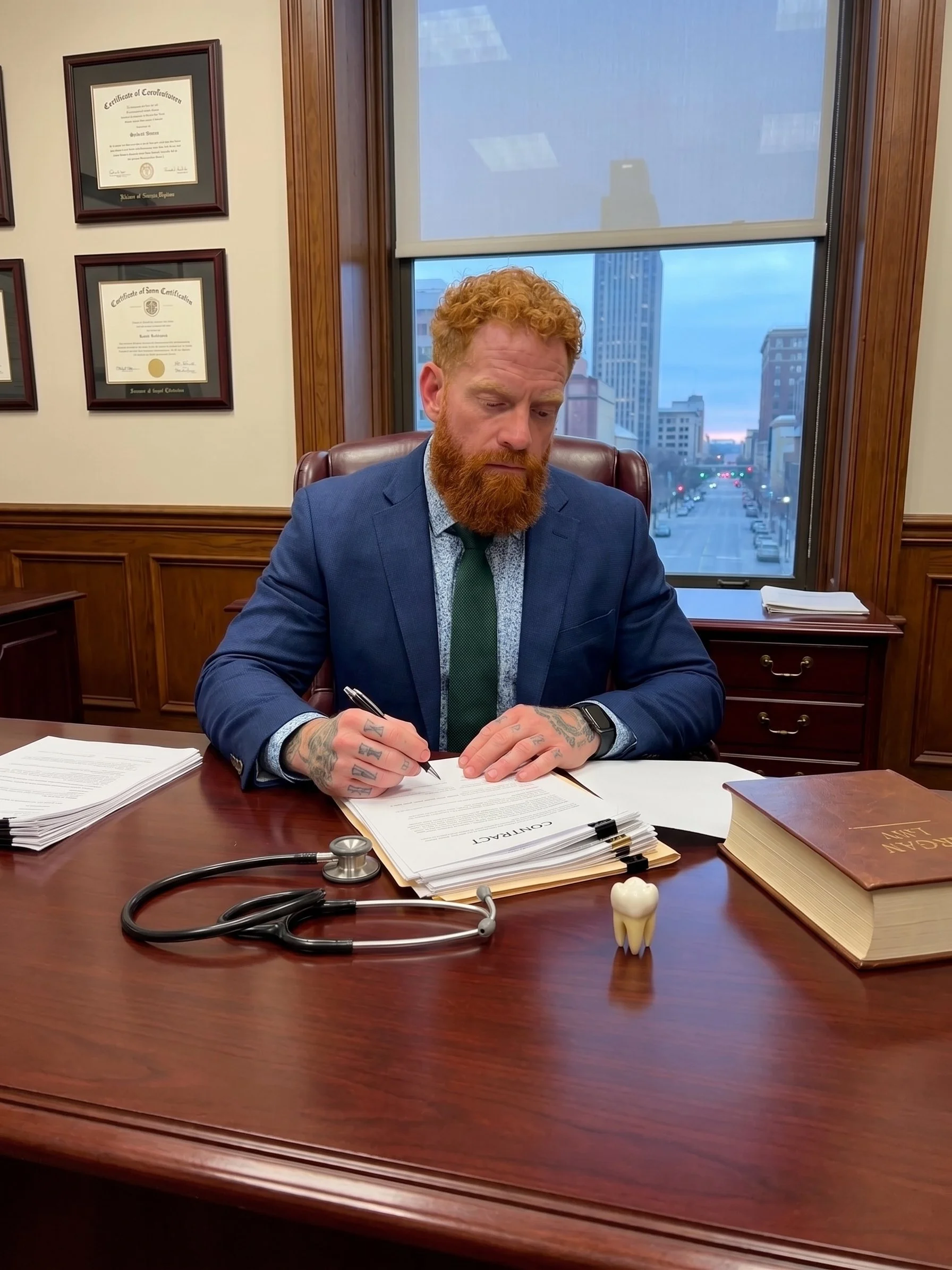
How Is a Medical, Dental, or Law Practice Valued and Divided in a Nebraska Divorce?
Divorce involving a medical, dental, law, or other professional practice can raise complex questions about valuation, goodwill, licensing rules, marital value, and buyout structure. In Nebraska, the court usually focuses on the marital value of the practice rather than simply dividing ownership. This article explains how Nebraska courts may approach professional-practice division and what practice owners and spouses should understand before taking a position on value.

Happy Father's Day — To the Dads, the Bonus Dads, and Everyone Who Shows Up
Three years ago, my co-parent and I could barely be in a room together. Today she's one of my closest friends, and her partner is an incredible dad to our daughter. Healing that relationship is one of the most impactful things I've ever done. A few honest thoughts this Father's Day.

Will Getting Divorced in My 50s or 60s Wreck My Retirement in Nebraska?
Divorce in your 50s or 60s does not automatically ruin retirement, but it requires careful planning. This Nebraska-focused guide explains how courts address pensions, retirement accounts, QDROs, Social Security, alimony, taxes, and the practical steps to take before signing a settlement.

Is My E-Bike Legal in Nebraska, and What Is Grand Island Considering?
Nebraska generally treats qualifying e-bikes as bicycles, but classification is only the beginning. This guide explains the three e-bike classes, licensing, registration, helmet and trail rules, Grand Island’s June 2026 ordinance materials, and how local restrictions may matter after a crash.

Which Minimum Wage Applies to Lincoln Employers in July 2026?
Nebraska’s general minimum wage is $15 in 2026, but LB 258 and Lincoln’s ordinance differ on youth wages, training wages, and future increases. This guide explains the official effective-date discrepancy, the Attorney General’s lawsuit, and the issues Lincoln employers should review with counsel.
Please note:
The content on this blog is for general informational purposes only and is not legal advice.
Reading it does not create an attorney-client relationship.
For personalized guidance tailored to your specific circumstances,
it's always best to connect with a qualified attorney.