

Do I Need to Update My Will and Beneficiaries After a Divorce in Nebraska?
Divorce changes more than your relationship status. In Nebraska, a divorce may affect parts of your estate plan, but it does not automatically fix every will, trust, beneficiary designation, retirement account, life insurance policy, power of attorney, or real estate title issue. This article explains why Nebraskans should review their estate plan after divorce or legal separation, what automatic revocation rules may and may not do, and why updating beneficiary forms directly can help avoid confusion, court disputes, and unintended results.

Can I Use a Big Brand’s Name as a Joke or Parody for My Nebraska Business? Lessons from Patagonia v. Pattie Gonia
A clever pun or parody name may seem harmless, but trademark law can create significant risks when that name becomes part of a business, merchandise line, or brand identity. Using the ongoing Patagonia v. Pattie Gonia lawsuit as a real-world example, this article explores how federal trademark law analyzes parody, consumer confusion, dilution, and brand protection. Nebraska entrepreneurs, creators, and small business owners will learn why changing a few letters in a famous brand name is not always enough to avoid legal trouble and what steps they should take before launching a new brand.

What Happens If I Can’t Pay My Nebraska Divorce Settlement While an Appeal Is Pending?
Appealing a Nebraska divorce decree does not automatically pause payment obligations. Based on the Nebraska Court of Appeals’ memorandum opinion in McReynolds v. McReynolds, this article explains why equalization payments, attorney-fee awards, and other financial obligations may remain enforceable during an appeal unless proper supersedeas or stay procedures are followed. It also discusses how Nebraska courts may evaluate “inability to pay,” why valuable non-cash assets can matter, and what steps a person should consider before missing a court-ordered divorce payment deadline.

How Do I Co-Parent When My Ex and I Can’t Be Friends?
You do not have to be friends with your ex to co-parent well. For many Nebraska parents, the healthier goal is calm, child-focused communication that follows the parenting plan and reduces unnecessary conflict. This article explains how the “polite business partner” approach can help parents set boundaries, communicate more clearly, and protect their children from adult conflict, while still recognizing that safety concerns, domestic abuse, protection orders, and court orders must always come first.

Do I Need an “Aggressive” Divorce Lawyer in Nebraska?
Not every Nebraska divorce needs an “aggressive” lawyer in the performative sense. What most people need is a steady, strategic advocate who knows when to negotiate, when mediation may help, and when firm court action is necessary. This article explains why unnecessary escalation can increase costs, damage credibility, and make co-parenting harder, while still recognizing that some cases require prompt legal action to address hidden assets, parenting-time interference, safety concerns, or violations of court orders.

Does Custody and Child Support End When My Child Graduates High School in Nebraska?
High school graduation is a major milestone, but it does not automatically end child support, custody, or parenting-time obligations in Nebraska. Because Nebraska generally treats persons under 19 as minors, parents should review their decree, parenting plan, child-support order, and any income-withholding order before assuming anything has changed. This article explains how Nebraska’s age-of-majority rule affects graduating seniors, what parents should know before reducing support, and when a formal modification or termination process may be needed.

How Does Supporting My LGBTQ+ Child Affect My Custody Case in Nebraska?
When parents disagree about how to support an LGBTQ+ child, a Nebraska custody case can become emotionally and legally complicated very quickly. This article explains how Nebraska courts approach these disputes through the best-interests-of-the-child standard, including legal custody, parenting plans, therapy, school communication, and recent Nebraska laws affecting LGBTQ+ youth. It also offers practical guidance on what parents should gather, what to avoid, and how to keep the focus where it belongs: the child’s safety, stability, health, and emotional well-being.
Can the Stress of Caring for Aging Parents Lead to Divorce in Nebraska?
Caring for an aging parent can be one of the most meaningful responsibilities a family takes on, but it can also place serious pressure on a marriage. In Nebraska, eldercare stress may overlap with divorce, marital finances, alimony, powers of attorney, guardianship, conservatorship, and Medicaid planning. This article explains how caregiving responsibilities can affect a marriage, what legal planning may help reduce conflict, and what Nebraska families should consider before a crisis turns into a court case.
Is 50/50 Child Custody Automatic in Nebraska?
Nebraska parents often hear the phrase “50/50 custody,” but equal parenting time is not automatic. Courts look at the child’s best interests, including safety, stability, school routines, transportation, each parent’s involvement, and whether the proposed schedule actually works for the child. This article explains how Nebraska courts approach 50/50 parenting-time requests, how joint physical custody differs from parenting time, and why a child-centered parenting plan is usually more persuasive than arguing over percentages.

How Do We Handle Summer Co-Parenting and Vacation Schedules in Nebraska?
Summer break can create real stress for Nebraska co-parents when vacation plans, holidays, camps, travel, and parenting-time schedules all collide. This article explains how to read your parenting plan, avoid common summer custody disputes, handle travel and holiday issues carefully, and know when a recurring problem may require legal guidance or court clarification.

What Documents Should I Keep Track of for My Nebraska Divorce or Custody Case?
Divorce and custody cases in Nebraska often become easier to manage when the right documents are preserved, organized, and reviewed early. This article explains what records may matter in a Nebraska divorce or custody case, including parenting-time calendars, co-parenting communications, financial records, school and medical documents, and property-related paperwork. It also explains what not to do, including risky recording practices, unauthorized account access, involving children in evidence-gathering, or taking self-help actions that could backfire in court.

Can Text Messages Be Used as Evidence in a Nebraska Divorce or Custody Case?
Text messages, emails, social media messages, and co-parenting app communications can become important evidence in a Nebraska divorce or custody case. This article explains when digital messages may be relevant, how Nebraska courts look at authentication and hearsay issues, and what parents and spouses should avoid when communicating during a family law dispute.

What Are My Responsibilities as a Noncustodial Parent in Nebraska?
Being called the “noncustodial parent” in Nebraska does not mean you are a secondary parent. Your rights and responsibilities depend on the actual court order, including the parenting plan, custody terms, child support order, school and medical access provisions, and any safety-related restrictions. This article explains what Nebraska parents should know about parenting time, communication, discipline, exchanges, child support, documentation, and when enforcement or modification may be appropriate.

Who Has to Move Out of the House During a Nebraska Divorce?
Filing for divorce does not automatically mean one spouse has to leave the marital home. In Nebraska, who stays in the house may depend on safety concerns, temporary court orders, protection orders, parenting arrangements, finances, and the facts of the case. This article explains what Nebraska spouses should know before changing locks, moving out, signing a lease, or making decisions that could affect custody, property division, and household expenses.

Can I Still Use a Financial Power of Attorney After My Parent Dies in Nebraska?
A financial power of attorney can be incredibly helpful while a parent or loved one is alive, but it does not continue after death. In Nebraska, authority to access accounts, pay bills, handle funeral expenses, or manage estate property must come from another legal source, such as a trust, beneficiary designation, small estate affidavit, or appointment by the county court as personal representative. This article explains what families should know before using online banking, writing checks, or moving money after a loved one passes away.

Why Do Nebraska Family Lawyers Always Say “It Depends”?
Nebraska family law questions rarely have one-size-fits-all answers. Whether the issue is custody, parenting time, child support, property division, or keeping the marital home, the outcome depends on the facts, the evidence, and the specific court orders already in place. This article explains why Nebraska family lawyers so often say “it depends,” and why that answer can actually protect you from bad advice.
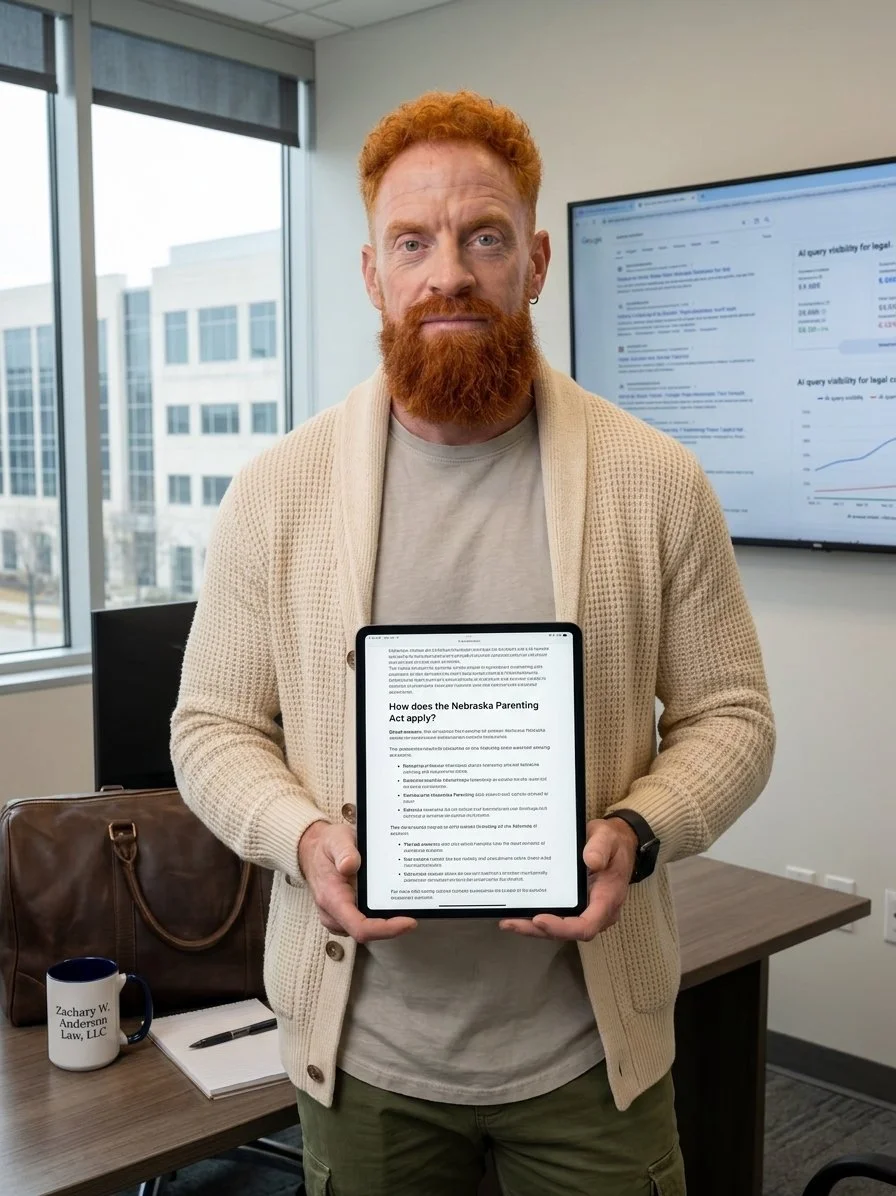
Does Divorce Mean a Broken Family Under Nebraska Law?
Divorce does not mean your family is broken. In Nebraska, divorce changes the legal and household structure of a family, but it does not erase the parent-child relationship or the need for stability, safety, and thoughtful co-parenting. This post explains how Nebraska custody law, parenting plans, mediation, and the Nebraska Parenting Act help parents restructure family life after divorce while keeping the child’s best interests at the center.

What Is the Difference Between a Divorce Lawyer and a Divorce Coach?
Divorce and custody cases are not just legal problems. They are major life transitions that affect communication, parenting, decision-making, stress, and day-to-day life. This article explains the difference between a divorce lawyer and a divorce coach, why each role matters, and how legal strategy and practical co-parenting support can work together. At Zachary W. Anderson Law, we include access to an in-house Family Transition & Co-Parenting Coach as part of our representation, with no separate coaching fee, because clients often need more than legal advice alone to move through divorce, custody, and family conflict with clarity and stability.

How Can Social Media Affect a Nebraska Divorce or Custody Case?
Social media can play a larger role in Nebraska divorce and custody cases than many people realize. Posts, screenshots, text messages, direct messages, photos, videos, and online comments may become evidence if they are relevant, properly authenticated, and not excluded by another evidentiary rule. This article explains how online activity may affect custody, parenting time, parenting plans, financial claims, credibility, and litigation strategy in Nebraska family law cases, while also offering practical guidance for avoiding common social media mistakes during divorce.

What Happens in Nebraska If You Put Off Estate Planning?
Delaying estate planning can leave Nebraska families facing court involvement, probate complications, guardianship or conservatorship proceedings, Medicaid issues, and difficult decisions during an already stressful time. This article explains why “we’ll deal with it later” often becomes the most expensive plan of all, and how wills, trusts, powers of attorney, health care directives, and thoughtful long-term care planning can help protect your choices, your family, and your peace of mind before a crisis happens.
Please note:
The content on this blog is for general informational purposes only and is not legal advice.
Reading it does not create an attorney-client relationship.
For personalized guidance tailored to your specific circumstances,
it's always best to connect with a qualified attorney.