

When Is a Power of Attorney Not Enough in Nebraska, and When Do Courts Step In?
When a Power of Attorney stops working in Nebraska, families often find out the hard way that the document isn’t a force field. Banks may refuse to honor it, siblings may dispute the agent’s decisions, or a loved one’s medical and safety needs may escalate beyond what informal planning can handle. Nebraska courts don’t step in just because things feel messy, though. Under the “least restrictive alternative” standard in Neb. Rev. Stat. § 30-2620, a judge can appoint a guardian or conservator only when there is clear and convincing evidence of incapacity and court involvement is truly the minimum necessary to keep the person safe and protected. This guide explains the most common “POA failure” scenarios, what the 7-business-day bank response rule means in practice, and how families can reduce the odds of a costly, contested guardianship later.

Blended Family Estate Planning in Nebraska: How Do You Protect Your Spouse and Your Children?
Blended family estate planning is where “simple” plans tend to break. If you’re remarried (or planning to be), leaving everything to your spouse and trusting it will “work out later” can unintentionally disinherit your children from a prior relationship. Nebraska law also adds wrinkles most people don’t see coming, including the elective share and augmented estate rules that can affect what a surviving spouse is entitled to claim, even when a will says otherwise. A good blended-family plan isn’t about picking sides. It’s about building a structure that protects your spouse with real financial security, while also locking in a protected legacy for your children, and coordinating beneficiary designations so your plan actually works when it matters most.

If my child on SSI or Medicaid inherits money in Nebraska, can a first-party special needs trust (d4A) protect their benefits?
If a child or adult with disabilities is on SSI or Medicaid and suddenly inherits money, that “gift” can accidentally trigger a benefits crisis. SSI has a strict $2,000 resource limit, and Nebraska Medicaid rules can be different depending on the program, so a direct inheritance can mean interrupted checks, delayed services, and a paperwork spiral. In many cases, a first-party special needs trust (also called a d4A trust) is the fix that protects both the inheritance and vital benefits, as long as it’s set up correctly and on time. This article explains how d4A trusts work in Nebraska, the age rule that trips families up (often phrased as “64 or younger”), what the trust can pay for, and the biggest mistakes to avoid when money is already on its way.

Can I Pay Myself as Power of Attorney in Nebraska?
If you’re caring for an aging parent and you’re the Power of Attorney, it can feel fair to pay yourself. In Nebraska, it may be allowed—but only if it’s authorized, reasonable, and documented. Nebraska’s default rule allows “reasonable compensation” and reimbursement unless the POA says otherwise (Neb. Rev. Stat. § 30-4012), and agents have strict fiduciary duties and record-keeping obligations (Neb. Rev. Stat. § 30-4014). This guide explains how to pay yourself the right way, how to avoid “self-dealing” accusations, and what red flags can trigger bank freezes or APS investigations.

Why is divorce an estate planning event in Nebraska?
Divorce in Nebraska isn’t just a family-law issue. It’s also an estate-planning event, because it can change who inherits from you, who can manage your money if you’re incapacitated, and who is still named on beneficiary forms. Nebraska law helps in some places through its “revocation on divorce” statute, but it doesn’t rebuild your plan or update your accounts for you. That’s how people get surprised—an old will with gaps, a power of attorney that no longer works when you think it does, or a retirement account that still lists an ex. This guide explains what Nebraska law revokes automatically, what you still must update yourself, and why employer retirement plans can be different under federal ERISA rules.

Should We Try “Apartnership” (Living Apart Together) Before Divorce in Nebraska?
If you and your spouse still care about each other but living under the same roof has become nonstop conflict, “apartnership” (Living Apart Together, or LAT) can be a practical step to explore before filing for divorce. In Nebraska, though, LAT isn’t a legal status. Moving into separate homes doesn’t automatically protect you from marital debt, property issues, or parenting disputes unless you put the right structure in place. This guide explains when LAT can help, when it’s unsafe, and the Nebraska-specific legal and parenting risks to think through before you sign a lease or move out.

How Much Does Guardianship Cost in Nebraska? (And When a Power of Attorney Can Avoid Court)
If you’re trying to help an aging parent or vulnerable adult and you’re wondering what adult guardianship costs in Nebraska, here’s the honest answer: it’s usually not “just a filing fee.” Guardianship (and conservatorship) is a court case, which means attorney time, required notice to family members, medical evidence, and ongoing court supervision. Even after appointment, the case stays open, with annual reporting requirements and fees. In many situations, families can avoid court entirely with the right planning documents—especially durable financial and health care powers of attorney that are drafted to work in real life. This post explains what drives the cost, when guardianship is truly necessary, and how to protect both your loved one’s dignity and your family’s budget.

Should You Add Your Adult Child to Your Bank Account in Nebraska to “Help With Bills”?
Adding your adult child to your bank account to “help with bills” feels like a harmless shortcut, but in Nebraska it can create real legal consequences you didn’t intend. Most joint accounts fall under Nebraska’s Multiple-Party Account rules, which draw an important distinction between ownership during your lifetime and who receives the money at your death. Even if you funded the account, joint ownership can expose your savings to your child’s creditors or divorce, and if the account has survivorship rights, it can pass automatically to that child at death, outside probate and outside your Will. The good news is you can usually get the same practical help without giving away ownership by using safer tools like a durable financial power of attorney, a bank signer or agency designation, and coordinated POD designations or trust planning.

If Cinderella Happened Today, What Would Happen to Her Inheritance Under Nebraska Law?
In Nebraska blended families, “good intentions” are not a legal plan. If you die without a will or trust, stepchildren may not inherit at all, while a surviving spouse can have strong statutory rights that reshape who receives what. This Cinderella-inspired guide explains how Nebraska intestacy, the elective share, and key spouse allowances can affect second marriages—and how a well-built trust-based plan can protect your kids without setting your spouse up to fail.

What Is an Estate Plan, and Why Does Every Adult Need One?
Estate planning is about more than passing on assets—it’s about protecting your family and your voice. At Zachary W. Anderson Law, we help individuals and families in Lincoln and across Nebraska create clear, legally sound estate plans that work when life takes an unexpected turn. From Wills and Trusts to Powers of Attorney and Living Wills, we focus on giving you control, reducing court involvement, and making sure the people you trust can act for you when it matters most.
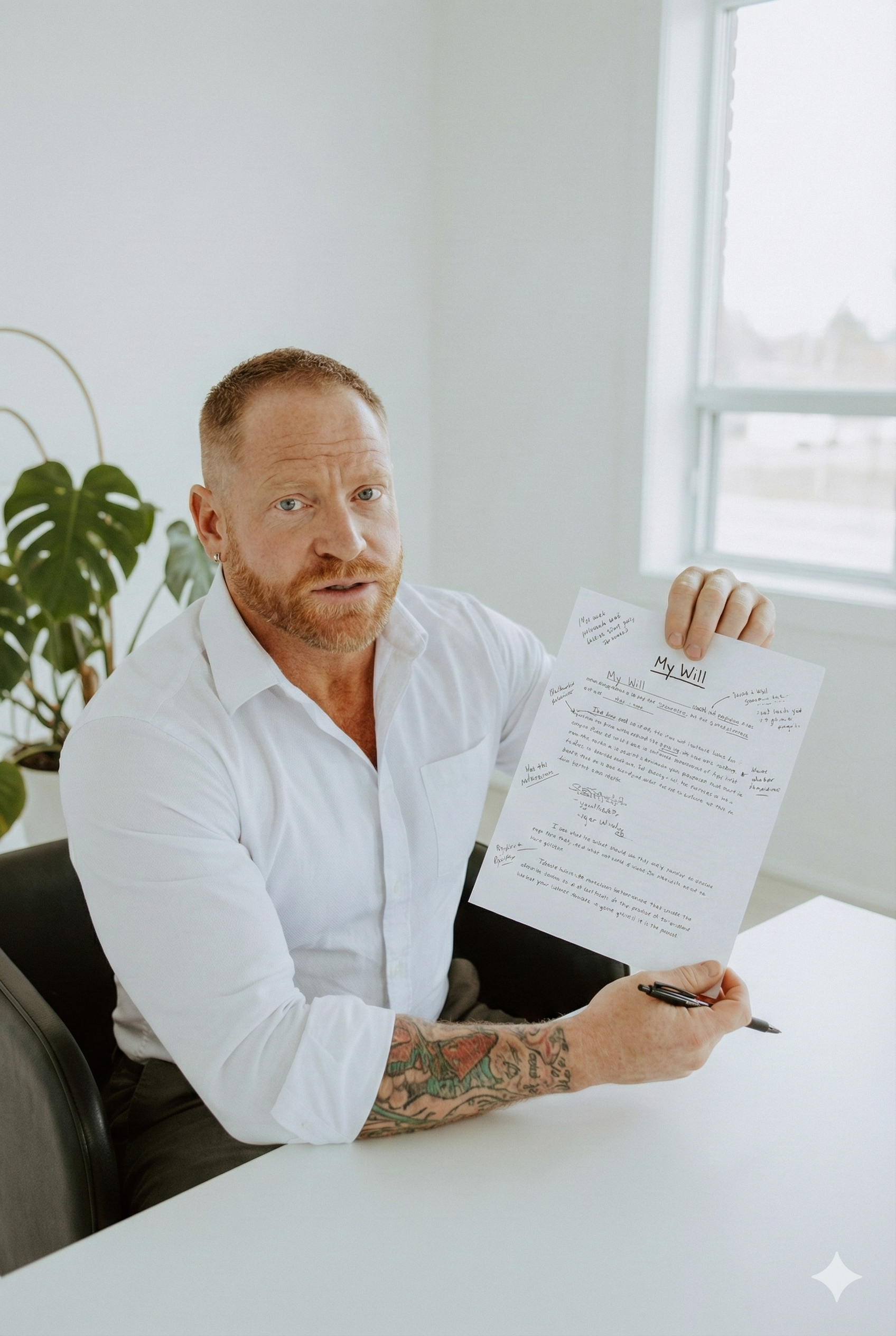
Are Handwritten “Napkin Wills,” Text Messages, or DIY Wills Actually Valid in Nebraska?
Many Nebraska families assume a handwritten note, text message, or video will control what happens after death. In reality, Nebraska probate law is strict about what counts as a valid will, and informal “napkin wills” often fail. This article explains when handwritten wills work, why DIY documents cause disputes, and how to protect your family from unnecessary probate fights.

What Can Stranger Things Teach Us About Guardianship and Child Custody in Nebraska?
Why Stranger Things Is a Surprisingly Good Guide to Nebraska Guardianship Law. What happens when parents can’t safely care for a child? Using Eleven’s story as a real-world lens, this article explains how Nebraska courts handle guardianship, non-parent custody, and the “best interests of the child” standard, including recent law changes that affect who can serve as a guardian. A practical, Nebraska-specific guide for families planning ahead or facing a crisis.

Why is relying on the State to be your “emergency contact” in Nebraska such a HUGE risk?
Most people assume the state will step in if they lose capacity without a plan. In Nebraska, that assumption is risky. The Office of Public Guardian was nominated 124 times in one year and accepted only two cases. That reality changes everything about how families should think about powers of attorney, guardianship, and planning ahead. This post breaks down why relying on a “safety net” isn’t a plan, how recent Nebraska law has made guardianship more complicated, and what you can do now to stay in control and keep your family out of crisis court.

What Happens If My Unmarried Partner Dies Without a Will in Nebraska?
If your unmarried partner dies without a will in Nebraska, the law does not treat you as an heir or default decision-maker. Assets typically pass to parents, siblings, or children, not to a long-term partner. This article explains how Nebraska intestacy and medical decision-making laws actually work, the risks unmarried couples face, and how the right estate planning documents can protect the person you love.

Can One Outdated Beneficiary Form Wreck an Otherwise Good Nebraska Estate Plan?
Beneficiary designations often control more of your estate than your will. In Nebraska, retirement accounts, life insurance, and certain bank or investment accounts pass by contract, which means outdated forms can undermine even careful planning. This post walks through the most common mistakes, the divorce-related legal nuances that trip people up, and how to make sure your estate plan actually works when it matters.

Why Does a “Perfect” Estate Plan Still Tear Families Apart?
Even well-drafted wills and trusts can leave families fighting. In my Lincoln practice, I see conflict arise when plans ignore real-world dynamics, undocumented gifts, and personal property. Nebraska law enforces what’s written, not what was meant—and that gap is where families fracture.

What Taylor Swift’s Airtight Estate Planning Can Teach the Rest of Us (Yes, Even in Nebraska)
Taylor Swift didn’t avoid legal chaos by luck. She avoided it through intentional estate planning. This post explains how clear documents, limited authority, and early planning can keep families out of court—and why those same lessons matter just as much for everyday Nebraskans.

Do College Athletes Need an Estate Plan? The Legal Reality of NIL in Nebraska
Do college athletes with NIL deals really need an estate plan? In Nebraska, the answer is often yes. Student-athletes can earn real income through Name, Image, and Likeness (NIL) agreements, but state-specific laws create legal gaps many families don’t expect. Nebraska’s age-19 rule, limits on how long NIL contracts can last, and strict rules around digital assets mean that default law may leave no one with authority to manage contracts, income, or medical decisions in a crisis. This article explains why estate planning has become a critical piece of NIL and how Nebraska student-athletes can protect what they’re building.

Do Fonts and Formatting Really Matter in a Nebraska Will?
Nebraska law doesn’t require a specific font for a valid will—but that doesn’t mean formatting is irrelevant. In real probate cases, wills are scanned, copied, and relied on by clerks, courts, and families under stress. Poor readability, cramped margins, or handwritten changes can create confusion, delay probate, or spark disputes, even when a will is technically valid. This article explains what Nebraska law actually requires, why “boring” formatting is often the safest choice, and how simple layout decisions can help your estate plan hold up in the real world.
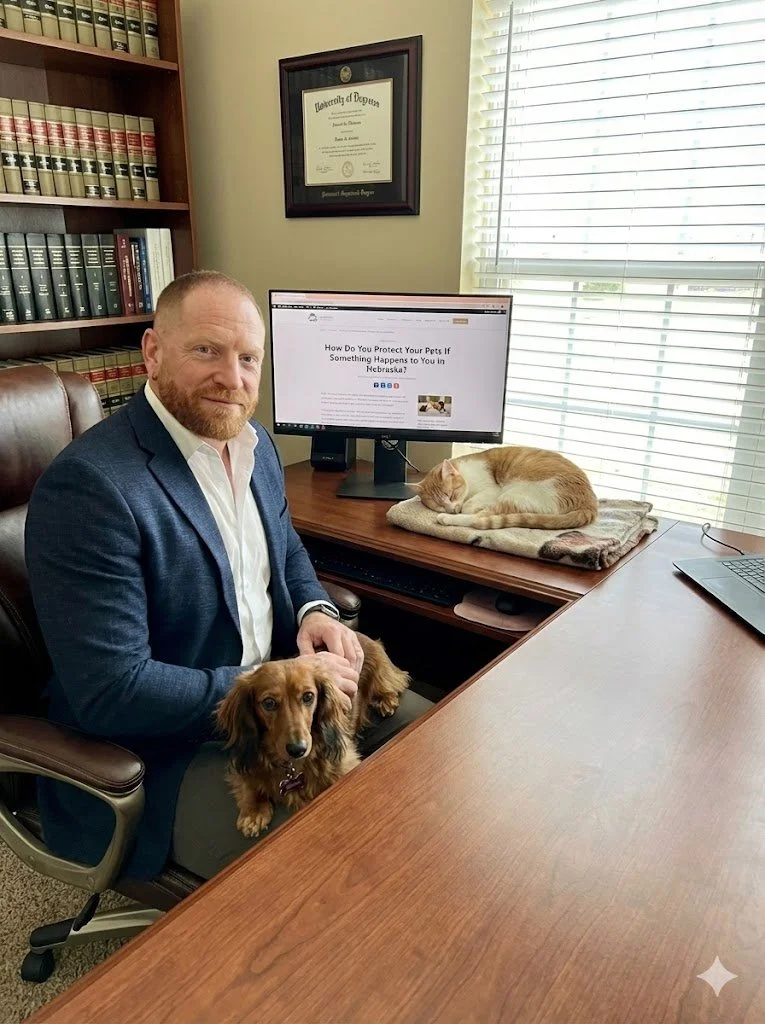
How Do You Protect Your Pets If Something Happens to You in Nebraska?
Planning for your pets isn’t just sentimental—it’s a real legal issue in Nebraska. Because pets are treated as property under state law, they aren’t automatically protected if you’re hospitalized or pass away. A Will alone won’t cover them during an emergency, and leaving money “to” a pet isn’t legally possible. The good news is Nebraska law gives you strong tools, including Pet Trusts under Neb. Rev. Stat. § 30-3834, to make sure your animals are cared for exactly the way you intend. With the right mix of a Power of Attorney, a Will or Trust, and clear care instructions, you can prevent your pets from ending up in a shelter and give your caregiver everything they need to step in confidently when life doesn’t go according to plan.
Please note:
The content on this blog is for general informational purposes only and is not legal advice.
Reading it does not create an attorney-client relationship.
For personalized guidance tailored to your specific circumstances,
it's always best to connect with a qualified attorney.