

Can a Business Owner Look Cash-Poor in a Nebraska Divorce While the Business Is Making Money?
A closely held business can make a spouse look cash-poor on paper while the company is doing well. Nebraska's Child Support Guidelines and published appellate decisions give courts a framework for looking past the W-2 at retained earnings, distributions, and control, but they also protect legitimate working capital. This post explains how the analysis works for support and property division, which records matter, and what not to do while a case is pending.

What Behaviors Can Hurt Your Credibility in a Nebraska Divorce or Custody Case?
Nebraska divorce and custody cases are decided on the evidence and the governing law, not on isolated phrases or courtroom stereotypes. This article explains how communication patterns, incomplete digital evidence, unsupported allegations, inconsistent parenting positions, property disputes, and financial records may affect the presentation of a family-law case. It also addresses Nebraska’s July 18, 2026 Parenting Act amendment, text-message authentication, child-support earning capacity, county-specific property procedures, and practical hearing preparation.

How Does a Nebraska Divorce Affect My Military Pension and Survivor Benefit Plan?
Military pensions and Survivor Benefit Plan coverage require careful coordination between Nebraska divorce law and federal military-benefit rules. This article explains what Wahl v. Wahl clarified about former-spouse SBP coverage, how the one-year deemed-election deadline works, when the Frozen Benefit Rule applies, what the 10/10 rule actually controls, and how VA disability compensation may affect divisible retired pay.

How Are Pensions and Retirement Accounts Divided in a Nebraska Divorce?
Dividing retirement assets in a Nebraska divorce requires more than choosing a percentage. The account type, tracing records, valuation date, tax treatment, survivor rights, and the correct retirement order all matter. This guide explains how Nebraska handles pensions, 401(k)s, IRAs, and NPERS benefits—and why completing the plan paperwork promptly can prevent expensive problems later.

How Do Nebraskans Prove Their Actual Standard of Living in a Divorce?
A tax return may not show the complete financial picture in a Nebraska divorce. Learn how bank records, business documents, budgets, expert analysis, and local disclosure rules may help establish actual cash flow and the marital standard of living.

Will the Court Find Out About My Spouse’s Hidden Cryptocurrency in a Nebraska Divorce?
Suspect that a spouse is hiding Bitcoin or another digital asset? This Nebraska-specific guide explains how lawful discovery may uncover cryptocurrency, how premarital holdings and appreciation may be classified, how volatile assets can be valued and divided, and why prompt action matters if crypto appears after the divorce is final.

How Do Trusts Get Pulled Into a Nebraska Divorce — and How Do You Keep Them Out?
Trusts can complicate a Nebraska divorce, especially when family money, inheritance planning, child support, alimony, or commingled distributions are involved. This article explains how Nebraska courts may look at revocable trusts, third-party trusts, spendthrift provisions, trust distributions, and tracing records when trust issues appear in a divorce.

What Happens to Stock Options, RSUs, and Unvested Equity in a Nebraska Divorce?
Stock options, RSUs, and other unvested equity can be difficult to divide because their value and availability may depend on future employment, vesting conditions, taxes, and market performance. This guide explains how Nebraska courts may classify and divide equity compensation, what documents matter, and why the terms of the divorce decree require careful attention.

What Happens to an Out-of-State Cabin or Foreign Property in a Nebraska Divorce?
Dividing a cabin or foreign home in a Nebraska divorce involves more than deciding who keeps it. Jurisdiction, title law, valuation, taxes, transfer documents, and enforcement can determine whether the proposed division will actually work.
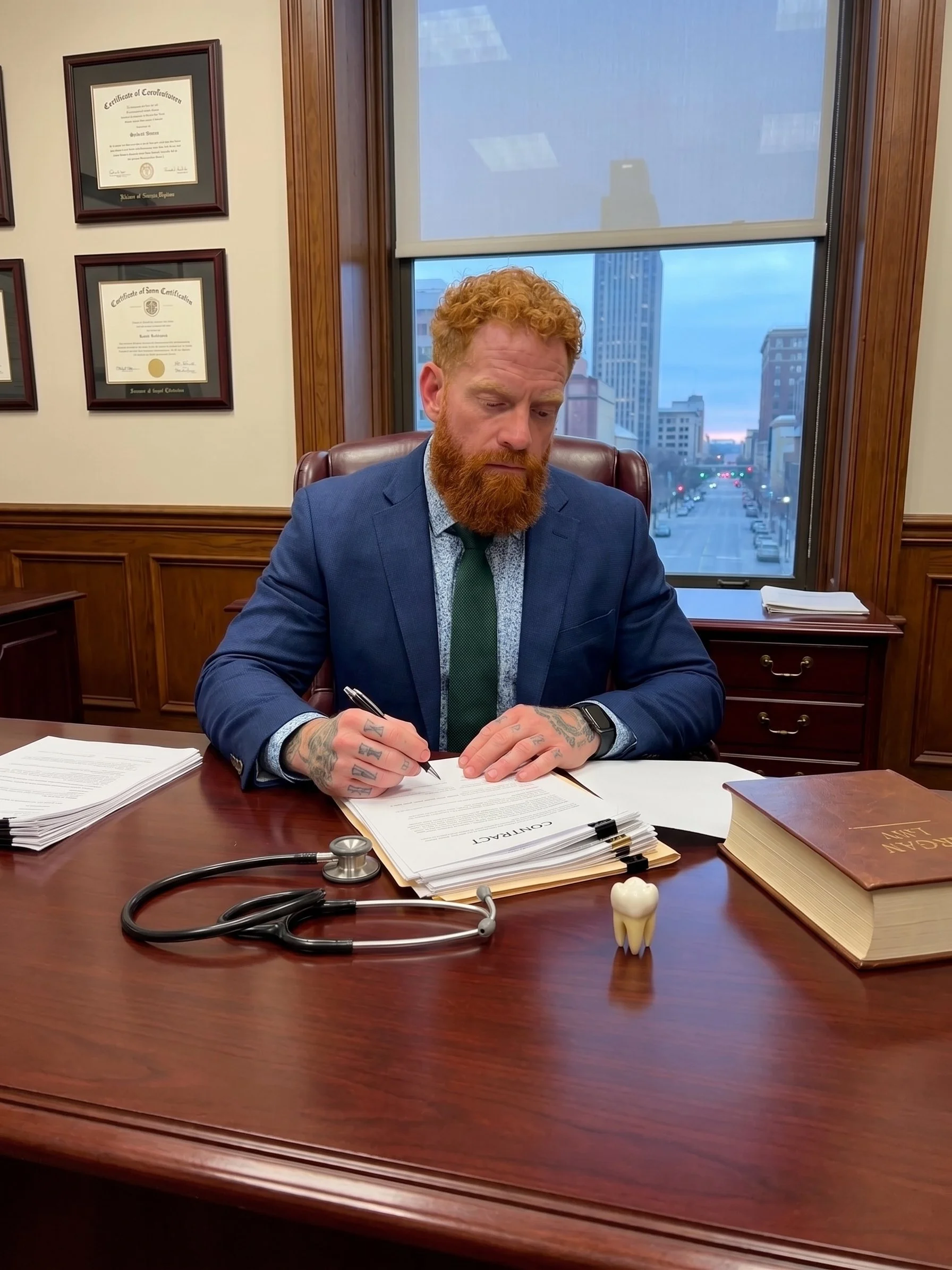
How Is a Medical, Dental, or Law Practice Valued and Divided in a Nebraska Divorce?
Divorce involving a medical, dental, law, or other professional practice can raise complex questions about valuation, goodwill, licensing rules, marital value, and buyout structure. In Nebraska, the court usually focuses on the marital value of the practice rather than simply dividing ownership. This article explains how Nebraska courts may approach professional-practice division and what practice owners and spouses should understand before taking a position on value.

How Does Alimony Work in a High-Income Nebraska Divorce?
A high income does not automatically lead to a large alimony award in Nebraska. Learn how courts evaluate income disparity, earning capacity, career sacrifices, property division, complex compensation, and the overall circumstances of the marriage when deciding whether support is reasonable.

Can You Keep a Nebraska Divorce and Your Financial Details Off the Public Record?
A Nebraska divorce generally cannot be kept entirely out of court records, but that does not mean every financial or personal detail must become public. Learn how Nebraska’s redaction rules, confidential filings, discovery procedures, mediation, protective orders, and targeted sealing requests may help protect sensitive information.

Is My Inheritance Safe If I Get Divorced in Nebraska?
An inheritance is generally presumed to be nonmarital property in Nebraska, but keeping it out of the marital estate may depend on what happened to it during the marriage. Joint accounts, missing records, marital debt payments, property improvements, and appreciation can all complicate the analysis. This article explains how Nebraska courts approach tracing, commingling, and inherited assets in divorce.

How Do We Split Our Brokerage Account in a Nebraska Divorce Without Getting Hit With a Surprise Tax Bill?
Dividing a brokerage account in a Nebraska divorce is not always as simple as splitting the account balance. This article explains how carryover basis, built-in capital gains, in-kind transfers, and Nebraska equitable-division rules can affect the real value of investment accounts during divorce.

Why Can’t I Think Clearly During My Nebraska Divorce?
Divorce can make even smart, capable people feel foggy, panicked, or numb — right when Nebraska law asks you to make decisions about custody, parenting plans, property, and your future. Here's why stress hijacks decision-making, what it means for mediation and settlement, and how to get steady enough to choose on purpose instead of reacting from exhaustion.

Do I Really Need a Prenup in Nebraska If I Don’t Have Much Money or Property?
You do not need to be wealthy to have a reason to consider a prenuptial agreement in Nebraska. A prenup can help engaged couples talk clearly about debt, future property, retirement, family gifts, inherited assets, business interests, and what should happen financially if the marriage ends. This article explains what a Nebraska prenup can and cannot do, why careful drafting matters, and why issues like appreciation, commingling, debt, alimony, and child-related matters should be handled thoughtfully before signing.

How Much Will My Nebraska Divorce Cost, and What Can I Do to Control It?
Divorce costs in Nebraska can vary widely depending on custody issues, property division, financial transparency, urgency, and how each spouse approaches the process. While no attorney can promise the total cost on day one, there are practical steps that can reduce avoidable fees, including getting organized early, staying responsive, narrowing your priorities, and using mediation or co-parenting support when appropriate. This article explains the biggest cost drivers in a Nebraska divorce and what you can do to make the process more manageable.

I’m Ready to Move On. How Does the Divorce Process Work in Nebraska?
Divorce is not just the end of a marriage. It is also a legal process that can affect parenting, finances, housing, safety, and long-term stability. This Nebraska-focused guide explains how divorce works, including no-fault divorce, residency requirements, filing in district court, the 60-day waiting period, property and debt division, custody, parenting plans, mediation, and what to gather before meeting with a lawyer.

What Is the Biggest Financial Mistake After Divorce in Nebraska?
Divorce settlements can feel final before the money is actually available. This Nebraska-focused guide explains why spending settlement funds too soon can create problems with property division, QDROs, refinancing, taxes, and post-divorce planning.

Why Is “Principle” So Expensive in a Nebraska Divorce?
Fighting over “principle” in a Nebraska divorce or custody case can feel justified, especially when emotions are high and the dispute feels personal. But not every fight is worth the financial, emotional, or legal cost. This article explains how Nebraska courts evaluate divorce, custody, parenting time, property division, and mediation issues, and why strategic decision-making often protects families better than courtroom escalation. It also discusses when litigation may be necessary, when mediation may help, and how to think clearly about proportionality, safety, children, and long-term outcomes.
Please note:
The content on this blog is for general informational purposes only and is not legal advice.
Reading it does not create an attorney-client relationship.
For personalized guidance tailored to your specific circumstances,
it's always best to connect with a qualified attorney.