

I’m Ready to Move On. How Does the Divorce Process Work in Nebraska?
Divorce is not just the end of a marriage. It is also a legal process that can affect parenting, finances, housing, safety, and long-term stability. This Nebraska-focused guide explains how divorce works, including no-fault divorce, residency requirements, filing in district court, the 60-day waiting period, property and debt division, custody, parenting plans, mediation, and what to gather before meeting with a lawyer.

How Do I Co-Parent When My Ex and I Can’t Be Friends?
You do not have to be friends with your ex to co-parent well. For many Nebraska parents, the healthier goal is calm, child-focused communication that follows the parenting plan and reduces unnecessary conflict. This article explains how the “polite business partner” approach can help parents set boundaries, communicate more clearly, and protect their children from adult conflict, while still recognizing that safety concerns, domestic abuse, protection orders, and court orders must always come first.

Do I Need an “Aggressive” Divorce Lawyer in Nebraska?
Not every Nebraska divorce needs an “aggressive” lawyer in the performative sense. What most people need is a steady, strategic advocate who knows when to negotiate, when mediation may help, and when firm court action is necessary. This article explains why unnecessary escalation can increase costs, damage credibility, and make co-parenting harder, while still recognizing that some cases require prompt legal action to address hidden assets, parenting-time interference, safety concerns, or violations of court orders.

Does Custody and Child Support End When My Child Graduates High School in Nebraska?
High school graduation is a major milestone, but it does not automatically end child support, custody, or parenting-time obligations in Nebraska. Because Nebraska generally treats persons under 19 as minors, parents should review their decree, parenting plan, child-support order, and any income-withholding order before assuming anything has changed. This article explains how Nebraska’s age-of-majority rule affects graduating seniors, what parents should know before reducing support, and when a formal modification or termination process may be needed.

How Does Supporting My LGBTQ+ Child Affect My Custody Case in Nebraska?
When parents disagree about how to support an LGBTQ+ child, a Nebraska custody case can become emotionally and legally complicated very quickly. This article explains how Nebraska courts approach these disputes through the best-interests-of-the-child standard, including legal custody, parenting plans, therapy, school communication, and recent Nebraska laws affecting LGBTQ+ youth. It also offers practical guidance on what parents should gather, what to avoid, and how to keep the focus where it belongs: the child’s safety, stability, health, and emotional well-being.
Can the Stress of Caring for Aging Parents Lead to Divorce in Nebraska?
Caring for an aging parent can be one of the most meaningful responsibilities a family takes on, but it can also place serious pressure on a marriage. In Nebraska, eldercare stress may overlap with divorce, marital finances, alimony, powers of attorney, guardianship, conservatorship, and Medicaid planning. This article explains how caregiving responsibilities can affect a marriage, what legal planning may help reduce conflict, and what Nebraska families should consider before a crisis turns into a court case.
Is 50/50 Child Custody Automatic in Nebraska?
Nebraska parents often hear the phrase “50/50 custody,” but equal parenting time is not automatic. Courts look at the child’s best interests, including safety, stability, school routines, transportation, each parent’s involvement, and whether the proposed schedule actually works for the child. This article explains how Nebraska courts approach 50/50 parenting-time requests, how joint physical custody differs from parenting time, and why a child-centered parenting plan is usually more persuasive than arguing over percentages.

How Do We Handle Summer Co-Parenting and Vacation Schedules in Nebraska?
Summer break can create real stress for Nebraska co-parents when vacation plans, holidays, camps, travel, and parenting-time schedules all collide. This article explains how to read your parenting plan, avoid common summer custody disputes, handle travel and holiday issues carefully, and know when a recurring problem may require legal guidance or court clarification.

Can Text Messages Be Used as Evidence in a Nebraska Divorce or Custody Case?
Text messages, emails, social media messages, and co-parenting app communications can become important evidence in a Nebraska divorce or custody case. This article explains when digital messages may be relevant, how Nebraska courts look at authentication and hearsay issues, and what parents and spouses should avoid when communicating during a family law dispute.

What Are My Responsibilities as a Noncustodial Parent in Nebraska?
Being called the “noncustodial parent” in Nebraska does not mean you are a secondary parent. Your rights and responsibilities depend on the actual court order, including the parenting plan, custody terms, child support order, school and medical access provisions, and any safety-related restrictions. This article explains what Nebraska parents should know about parenting time, communication, discipline, exchanges, child support, documentation, and when enforcement or modification may be appropriate.

Who Has to Move Out of the House During a Nebraska Divorce?
Filing for divorce does not automatically mean one spouse has to leave the marital home. In Nebraska, who stays in the house may depend on safety concerns, temporary court orders, protection orders, parenting arrangements, finances, and the facts of the case. This article explains what Nebraska spouses should know before changing locks, moving out, signing a lease, or making decisions that could affect custody, property division, and household expenses.

Why Do Nebraska Family Lawyers Always Say “It Depends”?
Nebraska family law questions rarely have one-size-fits-all answers. Whether the issue is custody, parenting time, child support, property division, or keeping the marital home, the outcome depends on the facts, the evidence, and the specific court orders already in place. This article explains why Nebraska family lawyers so often say “it depends,” and why that answer can actually protect you from bad advice.
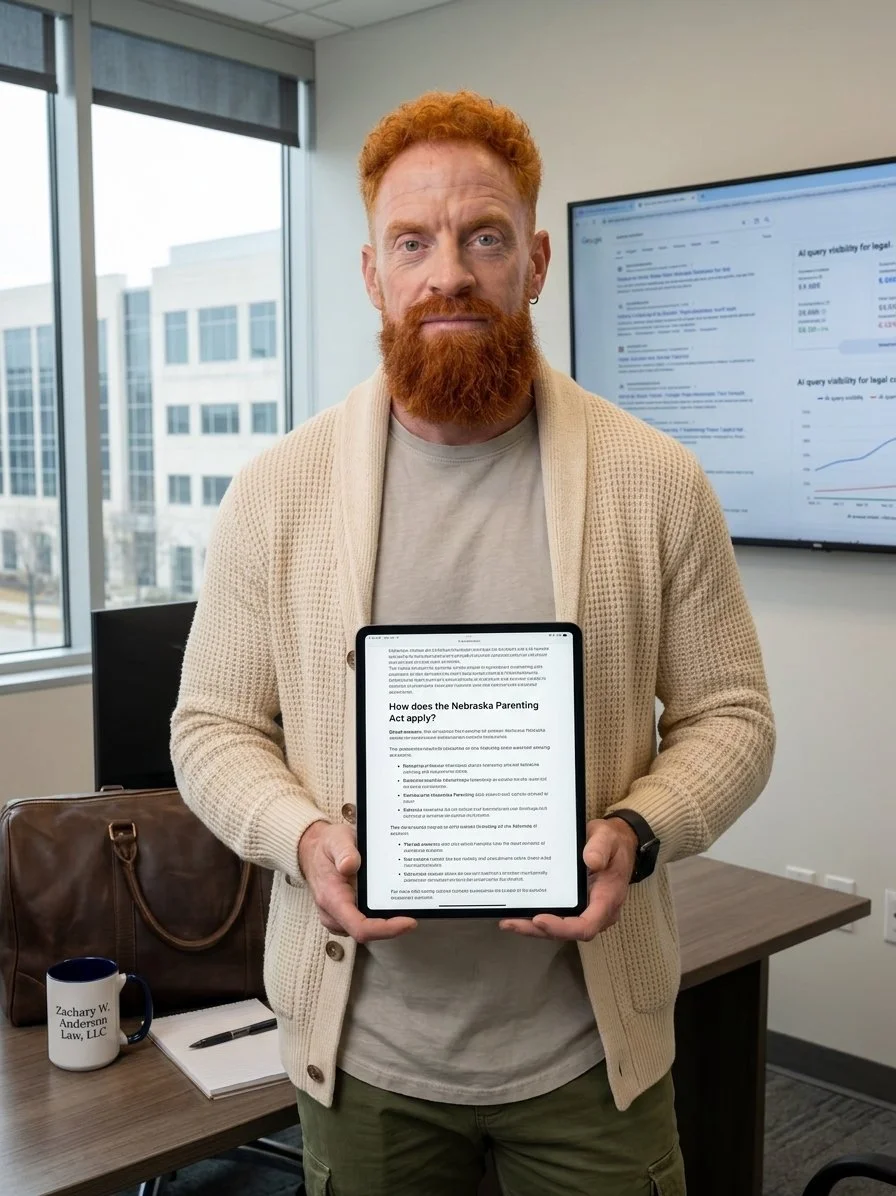
Does Divorce Mean a Broken Family Under Nebraska Law?
Divorce does not mean your family is broken. In Nebraska, divorce changes the legal and household structure of a family, but it does not erase the parent-child relationship or the need for stability, safety, and thoughtful co-parenting. This post explains how Nebraska custody law, parenting plans, mediation, and the Nebraska Parenting Act help parents restructure family life after divorce while keeping the child’s best interests at the center.

What Is the Difference Between a Divorce Lawyer and a Divorce Coach?
Divorce and custody cases are not just legal problems. They are major life transitions that affect communication, parenting, decision-making, stress, and day-to-day life. This article explains the difference between a divorce lawyer and a divorce coach, why each role matters, and how legal strategy and practical co-parenting support can work together. At Zachary W. Anderson Law, we include access to an in-house Family Transition & Co-Parenting Coach as part of our representation, with no separate coaching fee, because clients often need more than legal advice alone to move through divorce, custody, and family conflict with clarity and stability.

How Can Social Media Affect a Nebraska Divorce or Custody Case?
Social media can play a larger role in Nebraska divorce and custody cases than many people realize. Posts, screenshots, text messages, direct messages, photos, videos, and online comments may become evidence if they are relevant, properly authenticated, and not excluded by another evidentiary rule. This article explains how online activity may affect custody, parenting time, parenting plans, financial claims, credibility, and litigation strategy in Nebraska family law cases, while also offering practical guidance for avoiding common social media mistakes during divorce.

What Is the Biggest Financial Mistake After Divorce in Nebraska?
Divorce settlements can feel final before the money is actually available. This Nebraska-focused guide explains why spending settlement funds too soon can create problems with property division, QDROs, refinancing, taxes, and post-divorce planning.

Can You Lose Your U.S. Passport for Unpaid Child Support in Nebraska?
Unpaid child support can create serious consequences beyond the courtroom, including problems getting or keeping a U.S. passport. In Nebraska IV-D child support cases, qualifying arrears can be certified for federal passport denial or revocation when the amount owed exceeds the federal threshold. This article explains how the Nebraska and federal passport enforcement process works, why a payment plan may not automatically fix the issue, what to do if the arrears amount is wrong, and why it is important to address the official child support record before urgent travel becomes a crisis.

Can My Parents Sit In on My Call With My Nebraska Divorce Attorney?
Divorce is hard, and it is natural to want support from parents, family, or a new partner during legal meetings. But in a Nebraska divorce, custody, or paternity case, including someone else in conversations with your lawyer can create serious privilege and confidentiality concerns. This article explains when family involvement may put attorney-client privilege at risk, how third-party payment of legal fees works, and why legal strategy should usually stay between you and your attorney unless your lawyer approves a specific exception.

How Should Parents Discuss Prenuptial Agreements With Their Adult Children in Nebraska?
For Nebraska families with family farms, businesses, real estate, trusts, or meaningful inheritance planning, a prenuptial agreement can be an important part of protecting long-term family wealth. This article explains how parents can thoughtfully discuss premarital agreements with adult children without making the conversation feel distrustful or adversarial. It also covers how Nebraska law treats premarital property, gifts, inheritances, commingling, business interests, spousal rights at death, and estate planning coordination.

What Is a Gray Divorce, and How Does It Do to Retirement in Nebraska
Divorce after 50 can affect far more than the end of a marriage. It can reshape retirement, home ownership, pensions, Social Security planning, alimony, and estate planning. This Nebraska-focused guide explains how gray divorce works, how courts divide retirement accounts and marital property, why QDROs matter, and what spouses should consider before finalizing a settlement that could impact their long-term financial security.
Please note:
The content on this blog is for general informational purposes only and is not legal advice.
Reading it does not create an attorney-client relationship.
For personalized guidance tailored to your specific circumstances,
it's always best to connect with a qualified attorney.