

Can I Move With My Child During the Nebraska School Year?
A job change, lease expiration, remarriage, or family need can make a move necessary after school has started. Nebraska law treats in-state moves, out-of-state relocation, and cases without a final custody order differently. Learn why the existing parenting plan matters, what courts consider, and what parents should evaluate before changing a child’s residence, school, or schedule.

My Co-Parent and I Disagree About Our Child’s School. Do We Have to Go Back to Court in Nebraska?
When Nebraska co-parents disagree about a child’s school, the existing decree and parenting plan usually determine where the analysis begins. This guide explains how joint legal custody, records access, remediation, mediation, enforcement, modification, safety concerns, and school deadlines can affect whether court involvement is necessary.

Can a Nebraska Court Order Your Ex to Pay for College After Divorce?
College expenses after a Nebraska divorce can raise questions about age 19, post-majority support, NEST 529 accounts, student loans, and what an existing decree actually requires. This guide explains the difference between minor-child education expenses and agreed post-majority support, along with the drafting, enforcement, modification, and tax issues parents should consider.

Can Both Parents Attend Parent-Teacher Conferences and School Events in Nebraska?
Can both parents attend conferences, games, concerts, and other school events after a Nebraska divorce or custody case? School-record rights, educational decision-making, and event attendance are separate questions. Learn how court orders, school policies, and safety restrictions affect the answer.

Can a Co-Parent Change Your Child’s School or Use Option Enrollment Without Your Consent in Nebraska?
A co-parent’s ability to change a child’s school in Nebraska depends on the complete custody order, not simply where the child lives or which parent submits the enrollment form. Learn how joint legal custody, Nebraska’s option-enrollment process, local mediation requirements, administrative appeals, and family-court remedies interact when parents disagree.

Can a Nebraska Public School Out an LGBTQ+ Student to Their Parents or the Public?
Most people assume FERPA keeps a student's gender identity or sexual orientation private from everyone without consent. That is half right. Federal and Nebraska law do restrict what a public school can tell the press, the community, or another family — but neither is a shield against the student's own parents, and Nebraska's records statute has three wrinkles that national explainers miss, including an age-of-majority gap between eighteen and nineteen. Here is what Neb. Rev. Stat. § 79-2,104 actually says, where parental access begins and ends, why a Nebraska privacy lawsuit is harder than it sounds, and what to do first if a disclosure has already happened.

What Happens When Divorced Nebraska Parents Disagree About an IEP or 504 Plan?
When divorced or separated Nebraska parents disagree about an IEP, special-education evaluation, or Section 504 plan, the answer rarely depends on parenting time alone. This guide explains how the complete parenting plan, legal custody, IDEA consent rules, Section 504 procedures, mediation, enforcement, and modification may fit together—and why disputes with a co-parent and disputes with a school district may require different solutions.

What Can You Do When Your Co-Parent Won’t Cooperate on School Decisions in Nebraska?
When Nebraska co-parents disagree about a child’s school, the answer usually begins with the complete custody order—not simply with which parent has more overnights or which school appears better. This guide explains how legal custody, parenting-plan remediation clauses, mediation, enforcement, modification, school records, and special-education procedures may affect an unresolved school decision.

Can a Nebraska Court Make One Parent Pay Private-School Tuition?
Choosing a private school and paying for it are two separate legal questions in a Nebraska divorce, custody, or paternity case. The answer depends on legal custody, the language of the existing order, the child’s educational circumstances, the parents’ finances, and the evidence presented. This article explains what Nebraska law says about unilateral enrollment, tuition allocation, modification, mediation, and direct payments made outside the order.

Can a Child Use Their Chosen Name and Pronouns at a Nebraska School?
A request for a Nebraska school to use a child’s chosen name or pronouns can involve several separate legal and administrative questions. This guide explains why families should distinguish between classroom use, school records, FERPA rights, existing custody orders, and a court-ordered name change. It also outlines Nebraska’s current minor name-change process, including the two-week publication rule, possible publication waivers, notice to the other parent, and the more complicated issues that arise when parents disagree.

What Behaviors Can Hurt Your Credibility in a Nebraska Divorce or Custody Case?
Nebraska divorce and custody cases are decided on the evidence and the governing law, not on isolated phrases or courtroom stereotypes. This article explains how communication patterns, incomplete digital evidence, unsupported allegations, inconsistent parenting positions, property disputes, and financial records may affect the presentation of a family-law case. It also addresses Nebraska’s July 18, 2026 Parenting Act amendment, text-message authentication, child-support earning capacity, county-specific property procedures, and practical hearing preparation.

How Are Railroad Retirement Benefits Divided in a Nebraska Divorce?
Railroad retirement benefits do not follow the same rules as an ordinary pension or 401(k). Learn how Nebraska divorce law treats Tier I and Tier II benefits, what the Railroad Retirement Board requires, and how railroad schedules may affect parenting plans.

What Happens to the Goodwill of My Business in a Nebraska Divorce?
Business goodwill can be one of the most valuable and disputed parts of a Nebraska divorce involving a closely held business, professional practice, farm operation, or family company. This article explains how Nebraska courts distinguish transferable enterprise goodwill from personal goodwill, how premarital business growth may become marital through active appreciation, and how business value can often be divided through offsets, buyouts, or structured payments.
What Does the Supreme Court’s Transgender Sports Ruling Mean for Nebraska Families?
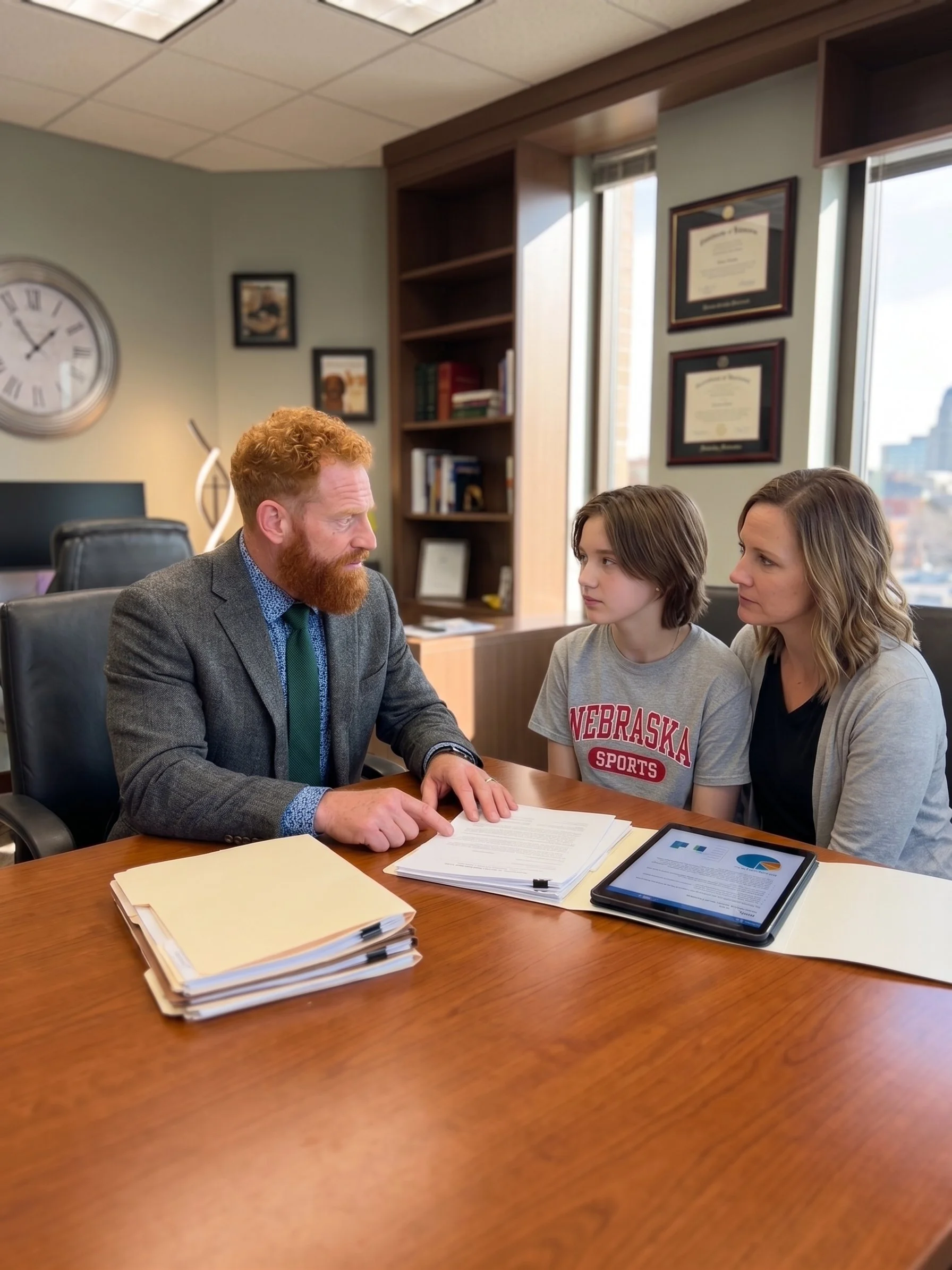
The Supreme Court’s transgender sports ruling is a major legal development, but Nebraska families still need clear, local guidance. This article explains how the decision interacts with Nebraska’s LB 89, what questions remain open, and how school sports disputes can become custody, parenting-plan, and co-parenting issues.

How Do I Protect My Reputation and Business Relationships During a High-Profile Divorce in Nebraska?
A high-profile divorce in Nebraska can affect more than the marital estate. If you own a business, rely on referrals, employ people, or have a visible role in your community, the case can put your reputation, clients, employees, lenders, and court-file privacy under pressure. This article explains practical Nebraska-specific tools for reducing risk, including careful communication, discovery protections, business-document review, settlement terms, and attorney-led planning.
How Is a Medical, Dental, or Law Practice Valued and Divided in a Nebraska Divorce?
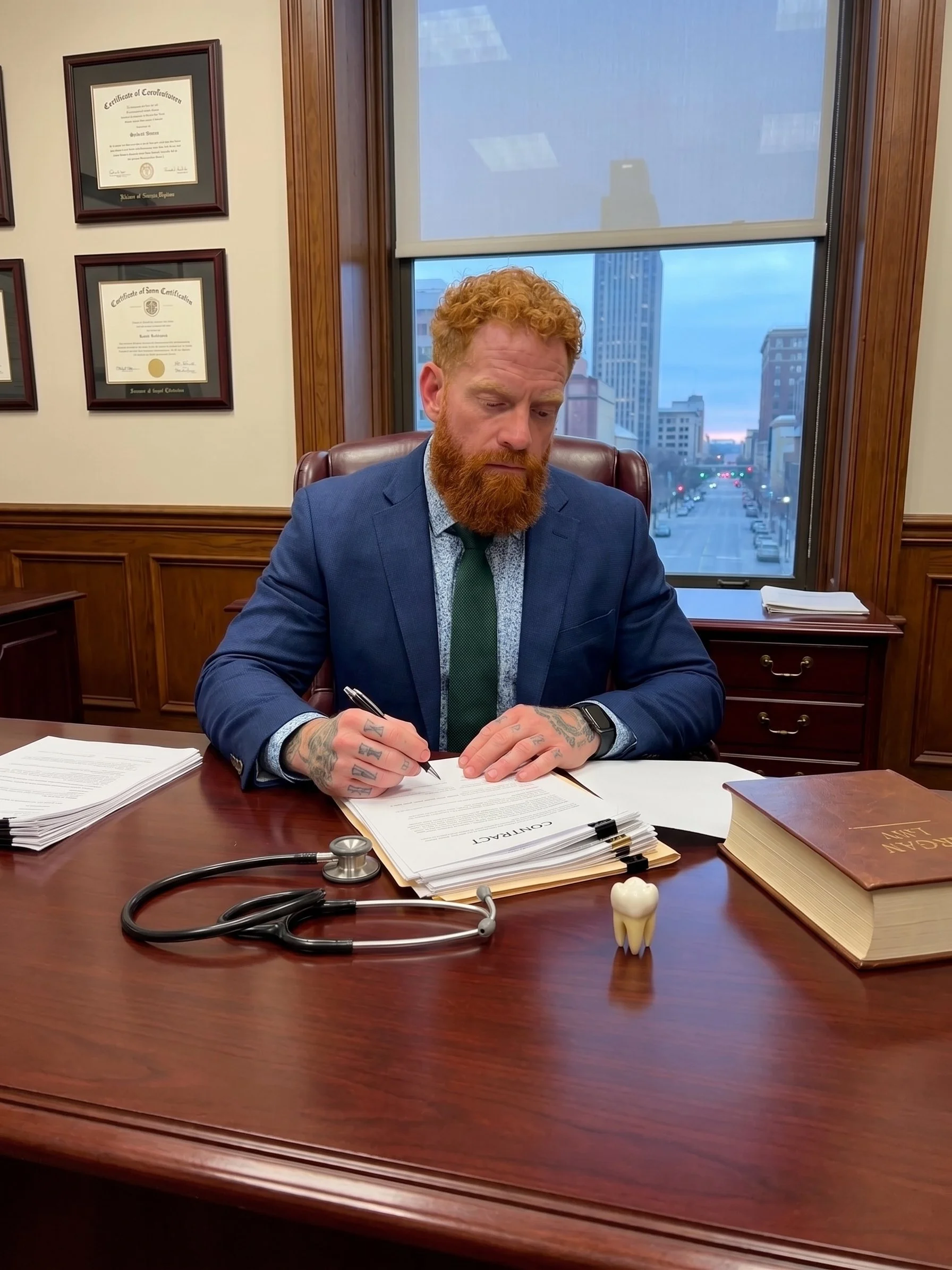
Divorce involving a medical, dental, law, or other professional practice can raise complex questions about valuation, goodwill, licensing rules, marital value, and buyout structure. In Nebraska, the court usually focuses on the marital value of the practice rather than simply dividing ownership. This article explains how Nebraska courts may approach professional-practice division and what practice owners and spouses should understand before taking a position on value.

Is My Inheritance Safe If I Get Divorced in Nebraska?
An inheritance is generally presumed to be nonmarital property in Nebraska, but keeping it out of the marital estate may depend on what happened to it during the marriage. Joint accounts, missing records, marital debt payments, property improvements, and appreciation can all complicate the analysis. This article explains how Nebraska courts approach tracing, commingling, and inherited assets in divorce.

Who Gets the Lake Cabin in a Nebraska Divorce, and What Does Fighting for It Really Cost?
Dividing a lake cabin, hunting property, family acreage, or vacation home in a Nebraska divorce can be more complicated than deciding who wants it most. Nebraska courts look at whether the property is marital, nonmarital, or a mix of both, then consider value, debt, tracing, appreciation, and the overall fairness of the property division. This article explains how Nebraska courts may approach cabin disputes, what evidence matters, what it can cost to fight over a second home, and when mediation or a negotiated buyout may make more sense than trial.

How Do We Split Our Brokerage Account in a Nebraska Divorce Without Getting Hit With a Surprise Tax Bill?
Dividing a brokerage account in a Nebraska divorce is not always as simple as splitting the account balance. This article explains how carryover basis, built-in capital gains, in-kind transfers, and Nebraska equitable-division rules can affect the real value of investment accounts during divorce.

Why Can’t I Think Clearly During My Nebraska Divorce?
Divorce can make even smart, capable people feel foggy, panicked, or numb — right when Nebraska law asks you to make decisions about custody, parenting plans, property, and your future. Here's why stress hijacks decision-making, what it means for mediation and settlement, and how to get steady enough to choose on purpose instead of reacting from exhaustion.
Please note:
The content on this blog is for general informational purposes only and is not legal advice.
Reading it does not create an attorney-client relationship.
For personalized guidance tailored to your specific circumstances,
it's always best to connect with a qualified attorney.