

How Can Young Adults in Nebraska Protect NIL Income, Crypto, and Digital Accounts?
Young adults may accumulate meaningful assets long before they think of themselves as needing an estate plan. This Nebraska-focused guide explains how powers of attorney, wills, trusts, platform legacy tools, and secure access planning may help protect NIL income, cryptocurrency, monetized accounts, and other digital property—without assuming that a password, an LLC, or a planning document guarantees access or control.

What Happens to My Will and Estate Plan After a Divorce in Nebraska?
Divorce changes more than your relationship status. In Nebraska, a divorce may affect parts of your estate plan, but it does not automatically fix every will, trust, beneficiary designation, power of attorney, deed, retirement account, or life insurance policy. This article explains what Nebraskans should review after divorce, why beneficiary forms and court orders matter, and how thoughtful estate planning can help protect your children, property, and future decision-making.

Do I Need to Update My Will and Beneficiaries After a Divorce in Nebraska?
Divorce changes more than your relationship status. In Nebraska, a divorce may affect parts of your estate plan, but it does not automatically fix every will, trust, beneficiary designation, retirement account, life insurance policy, power of attorney, or real estate title issue. This article explains why Nebraskans should review their estate plan after divorce or legal separation, what automatic revocation rules may and may not do, and why updating beneficiary forms directly can help avoid confusion, court disputes, and unintended results.
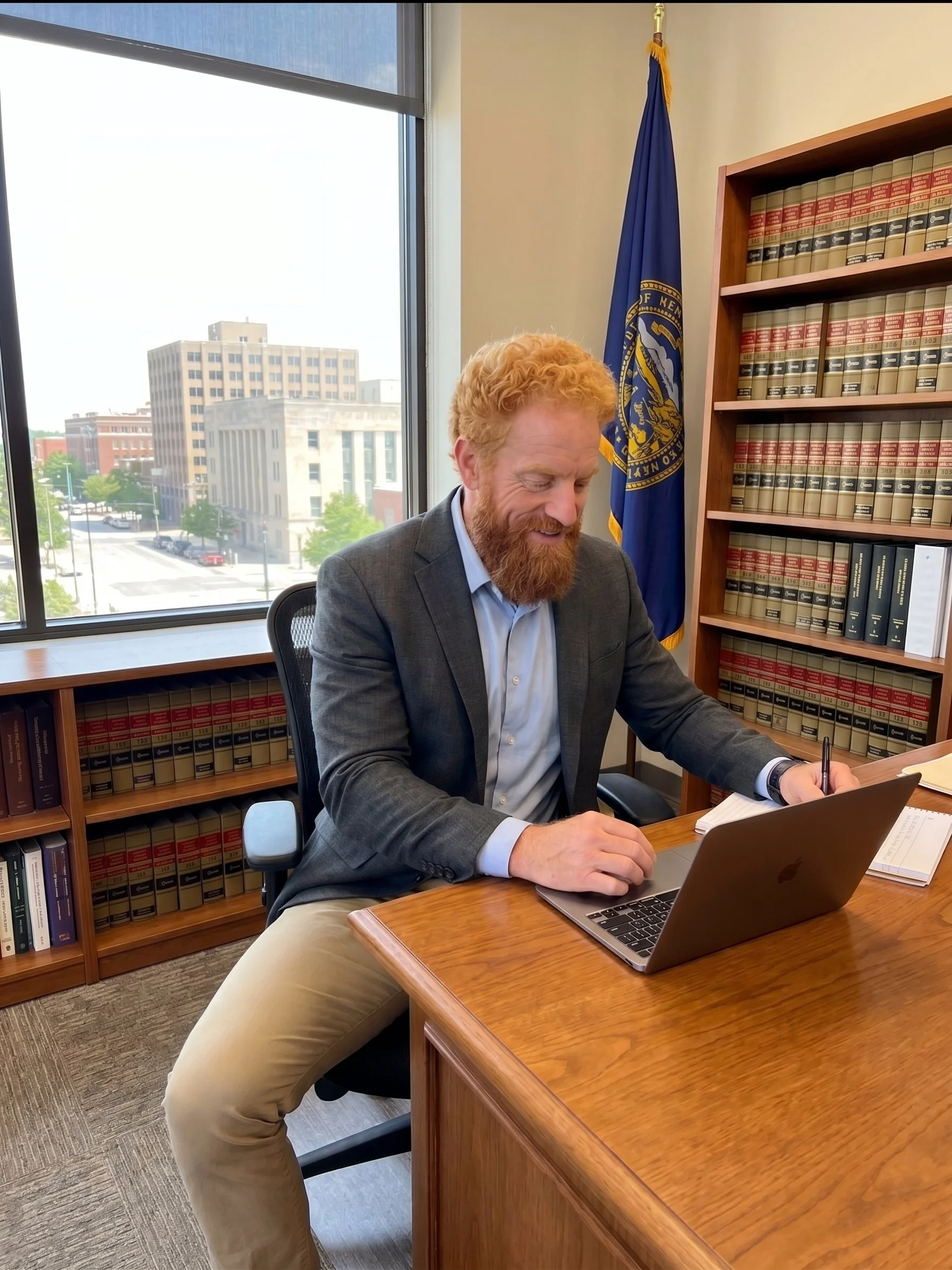
Can the Stress of Caring for Aging Parents Lead to Divorce in Nebraska?
Caring for an aging parent can be one of the most meaningful responsibilities a family takes on, but it can also place serious pressure on a marriage. In Nebraska, eldercare stress may overlap with divorce, marital finances, alimony, powers of attorney, guardianship, conservatorship, and Medicaid planning. This article explains how caregiving responsibilities can affect a marriage, what legal planning may help reduce conflict, and what Nebraska families should consider before a crisis turns into a court case.

What Is Nebraska Guardianship and Conservatorship, and When Does a Family Need a Quiet Shield?
Guardianship and conservatorship can become necessary when a loved one can no longer safely make personal, medical, or financial decisions. In Nebraska, these court-supervised tools are meant to protect vulnerable adults while preserving as much dignity and independence as possible. This article explains the difference between guardianship and conservatorship, when Nebraska courts may appoint a guardian or conservator, how emergency temporary appointments work, and why less restrictive options like powers of attorney and advance directives should be considered whenever possible.

Divorce After Retirement in Nebraska
Divorce after retirement—often called gray divorce—is becoming more common among Nebraska couples in their 50s, 60s, and beyond. When a long marriage ends later in life, it raises complex questions about dividing retirement accounts, setting alimony, and updating estate plans. Learn how Nebraska courts handle these issues, what happens to pensions and health coverage, and why revising your will and beneficiaries is critical.
Please note:
The content on this blog is for general informational purposes only and is not legal advice.
Reading it does not create an attorney-client relationship.
For personalized guidance tailored to your specific circumstances,
it's always best to connect with a qualified attorney.