
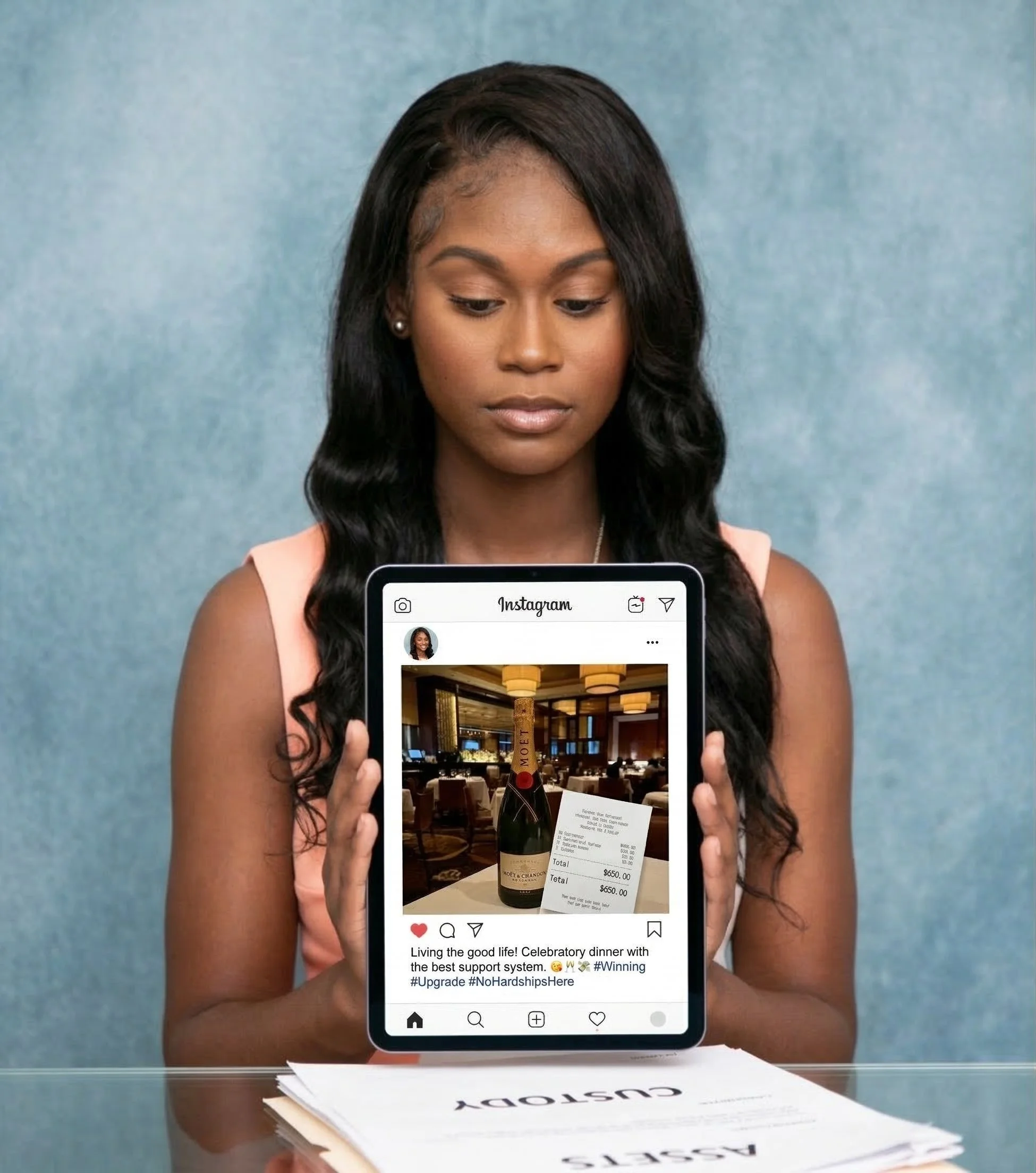
Can Social Media Hurt Your Custody Case or Co-Parenting Relationship in Nebraska?
What you post online can affect your custody case more than you think. This Nebraska-focused guide explains how social media may be used in family court, what mistakes to avoid, and how parents can protect both their case and their child.

Valentine’s Day During Divorce or Separation in Nebraska: How Do You Protect Your Case and Your Peace?
Valentine’s Day can hit differently when you’re separated or in the middle of a divorce, especially if there’s a custody or parenting plan in the background. It’s a “pressure-test” day that can trigger impulsive texts, social media posts, spending choices, or co-parenting conflict that later turns into evidence. This post breaks down what’s normal emotionally, what to avoid legally (especially online), and how to keep parenting time calm, predictable, and child-focused under most Nebraska parenting plans.

How can one grounded parent protect children in a high-conflict divorce in Nebraska?
High-conflict divorce isn’t just “more fighting.” It’s the kind of ongoing chaos that can seep into your child’s nervous system and daily life. The good news: you don’t have to control your co-parent to protect your kids. This article explains how one grounded parent can become the stabilizing force children rely on, what well-meaning parents often do that backfires, and how coaching and smart legal strategy can help.

Is Social Media Your Friend or Foe During a Nebraska Divorce or Separation?
Social media is usually more foe than friend during a Nebraska divorce or custody dispute because posts, photos, comments, and DMs can be screenshotted and used to challenge your credibility, your parenting judgment, and your ability to minimize conflict. Under Nebraska’s Parenting Act, judges decide custody and parenting plans based on the child’s best interests, including safety, emotional growth, stability, and whether each parent can support a healthy relationship with the other parent. That means an impulsive rant, a “private” group post, or a “harmless” story can quickly become evidence that cuts against the exact qualities the court is looking for. If you’re going through a case right now, the safest approach is to treat your social media like a public lobby: keep it calm, keep it boring, don’t post about the case, and don’t hit delete without legal advice.

How Can “Controlling the Controllables” Help You Navigate a High-Conflict Divorce in Nebraska?
High-conflict divorce can feel like a nonstop emergency, especially when kids are involved and the other parent seems determined to escalate everything, but in Nebraska the court isn’t focused on who “wins”—it’s focused on the best interests of the child, which usually means stability, safety, and a workable plan that protects your child’s day-to-day life; that’s why one of the most effective strategies in a high-conflict case is learning to “control the controllables,” because while you can’t control your ex’s choices or the court calendar, you can control the tone of the record, your compliance, your documentation, and the stability you create in your home, and when you communicate like a judge may read it later you build credibility while reducing the conflict your child is exposed to, with the important caveat that if your situation involves threats, stalking, intimidation, or domestic violence, controlling the controllables may also mean taking safety-focused legal steps, including exploring a Protection Order and safer exchange or communication boundaries.

How Can Social Media Affect Your Divorce or Custody Case in Nebraska?
Social media plays a bigger role in Nebraska divorce and custody cases than most people realize. Judges and attorneys regularly use posts, photos, messages, and even “private” content as evidence when evaluating credibility, co-parenting behavior, financial honesty, and the best interests of the child. A single screenshot can affect parenting time, support, or how the court views your judgment. This guide explains how your online activity is discovered, why deleting old posts can lead to legal trouble, and what you should—and shouldn’t—share while your case is active.

What the Chuck E. Cheese Arrest Teaches Us About Kids, Crime, and Custody in Nebraska
When video surfaced of a Chuck E. Cheese mascot being arrested in front of children at a birthday party, the bizarre scene quickly went viral. But behind the humor and shock is a serious legal question: what happens when kids witness crime, and how does that impact custody in Nebraska? In family law cases, courts focus on the “best interest of the child,” which includes not only safety and stability but also emotional well-being. Public arrests and exposure to chaotic environments can become a factor in custody disputes and modifications, as judges weigh whether a parent is consistently protecting their child from unnecessary trauma.
Please note:
The content on this blog is for general informational purposes only and is not legal advice.
Reading it does not create an attorney-client relationship.
For personalized guidance tailored to your specific circumstances,
it's always best to connect with a qualified attorney.