

What Does the "Great Wealth Transfer" Mean for Nebraska Families?
Nebraska families face estate-planning issues that generic national advice often misses. This article explains how Nebraska inheritance tax, probate, Transfer on Death deeds, beneficiary designations, divorce, remarriage, farms, family businesses, guardianship, and conservatorship planning can affect the transfer of wealth from one generation to the next.

Should I Name All My Children as Co-Executors of My Nebraska Estate?
Naming all of your children as co-executors may feel fair, but in Nebraska it can make probate harder to administer. Co-personal representatives generally must act together unless the will says otherwise, which can create delays with banks, real estate, creditor claims, tax issues, and distributions. A Nebraska estate plan often works better when it names one capable primary personal representative, lists alternates in order, and explains the choice clearly to the family.

If I Sign a Prenup in Nebraska, Am I Also Giving Up Inheritance Rights?
A Nebraska prenup is not only a divorce document. It may also affect what a surviving spouse can receive if the other spouse dies. This article explains Nebraska’s default surviving-spouse protections, how broad waiver language can give those rights up, and why a prenup should be coordinated with wills, trusts, beneficiary designations, and retirement-plan paperwork.

What Happens to Your Nebraska Business When You Die, and Why Isn't a Will Enough?
A will can name who inherits a Nebraska business, but it may not say who can run payroll, get into the records, or manage the company the morning after the owner dies. This guide walks through how Nebraska probate and business-entity rules treat sole proprietorships, LLCs, corporations, and partnerships, and what coordinated planning can do to close the gaps before a family has to.

Are Postnuptial Agreements Enforceable in Nebraska?
Can married couples use a postnuptial agreement to decide how property will be divided if they later divorce? Nebraska law treats these agreements differently from many other states. This article explains the rule from Devney v. Devney, the limited agreements Nebraska recognizes after marriage, and practical options for protecting an inheritance, business, farm interest, or estate plan.

If Nebraska Has No Estate Tax, Why Might My Heirs Still Owe Inheritance Tax?
Nebraska does not impose a state estate tax for current deaths, but its inheritance tax can still affect what beneficiaries receive. This article explains Nebraska’s beneficiary categories, rates and exemptions, county court process, real-estate lien concerns, and planning issues for spouses, children, unmarried partners, blended families, nieces, nephews, and other beneficiaries.

We Were Together for Years but Never Married: What Are My Rights If We Split Up in Nebraska?
If you lived with your partner for years but never married, a Nebraska breakup can raise difficult questions about the house, debt, children, pets, and estate planning. Nebraska does not create common-law marriage based on time together, so unmarried partners usually do not have the same property rights as divorcing spouses. This article explains how Nebraska law treats unmarried breakups, when custody and child support can be addressed, what protection-order relief may be available, and why clear documents matter before conflict starts.

What Should I Do in the First 30 Days After My Nebraska Divorce Is Final?
The decree is signed — now what? The first 30 days after a Nebraska divorce are when the court order becomes real life, and it's where many post-decree problems quietly begin. From appeal deadlines and the six-month remarriage rule to vehicle titles, QDROs, parenting plan routines, and updating your estate plan, this guide walks you through exactly what to do (and what not to do) in that critical first month — so a small misstep doesn't turn into a contempt filing, a credit problem, or an avoidable fight.

Do I Need a Prenup in Nebraska? Understanding the “Belle Burden Bump”
Prenuptial agreements are having a cultural moment, but Nebraska couples need more than national headlines or celebrity divorce stories. In Nebraska, a premarital agreement can help couples clarify property, debt, business interests, inheritance, estate planning, and possible spousal support before marriage. This article explains what a Nebraska prenup can and cannot do, why timing and financial disclosure matter, and why these agreements should be approached as thoughtful planning rather than a sign that anyone expects the marriage to fail.

What Happens to My Will and Estate Plan After a Divorce in Nebraska?
Divorce changes more than your relationship status. In Nebraska, a divorce may affect parts of your estate plan, but it does not automatically fix every will, trust, beneficiary designation, power of attorney, deed, retirement account, or life insurance policy. This article explains what Nebraskans should review after divorce, why beneficiary forms and court orders matter, and how thoughtful estate planning can help protect your children, property, and future decision-making.

How Does Probate Work in Nebraska After Someone Dies?
When someone dies in Nebraska, probate may be needed to give a personal representative legal authority to manage property, address creditor claims, handle tax-related issues, and distribute assets. This article explains when probate is required, what county court involvement looks like, how small-estate personal-property affidavits work, and why families should avoid rushing into payments or distributions before authority is clear.

What Happens to My Coin, Stamp, or Ceramics Collection When I Pass Away in Nebraska?
A coin, stamp, ceramics, art, or other collectible collection can carry both financial and sentimental value, which makes it especially important to address clearly in a Nebraska estate plan. This article explains how collections may be handled through a will, trust, or tangible personal property memorandum, why ownership and probate status matter, and how clear planning can reduce confusion for your family and fiduciaries after death.

Who Should I Name as My Power of Attorney in Nebraska, and Should I Use a Corporate Fiduciary?
Choosing who should serve as your power of attorney in Nebraska is less about naming the person closest to you and more about choosing someone who can actually do the job. This article explains the difference between a financial power of attorney and a health care power of attorney, when a spouse or adult child may be the right choice, when a professional fiduciary may be worth considering, and why recordkeeping, self-dealing, beneficiary changes, and family conflict all matter. It also explains why a power of attorney can reduce the need for court involvement, but cannot guarantee that disputes, guardianship, conservatorship, or probate issues will be avoided.

Do I Need to Update My Will and Beneficiaries After a Divorce in Nebraska?
Divorce changes more than your relationship status. In Nebraska, a divorce may affect parts of your estate plan, but it does not automatically fix every will, trust, beneficiary designation, retirement account, life insurance policy, power of attorney, or real estate title issue. This article explains why Nebraskans should review their estate plan after divorce or legal separation, what automatic revocation rules may and may not do, and why updating beneficiary forms directly can help avoid confusion, court disputes, and unintended results.
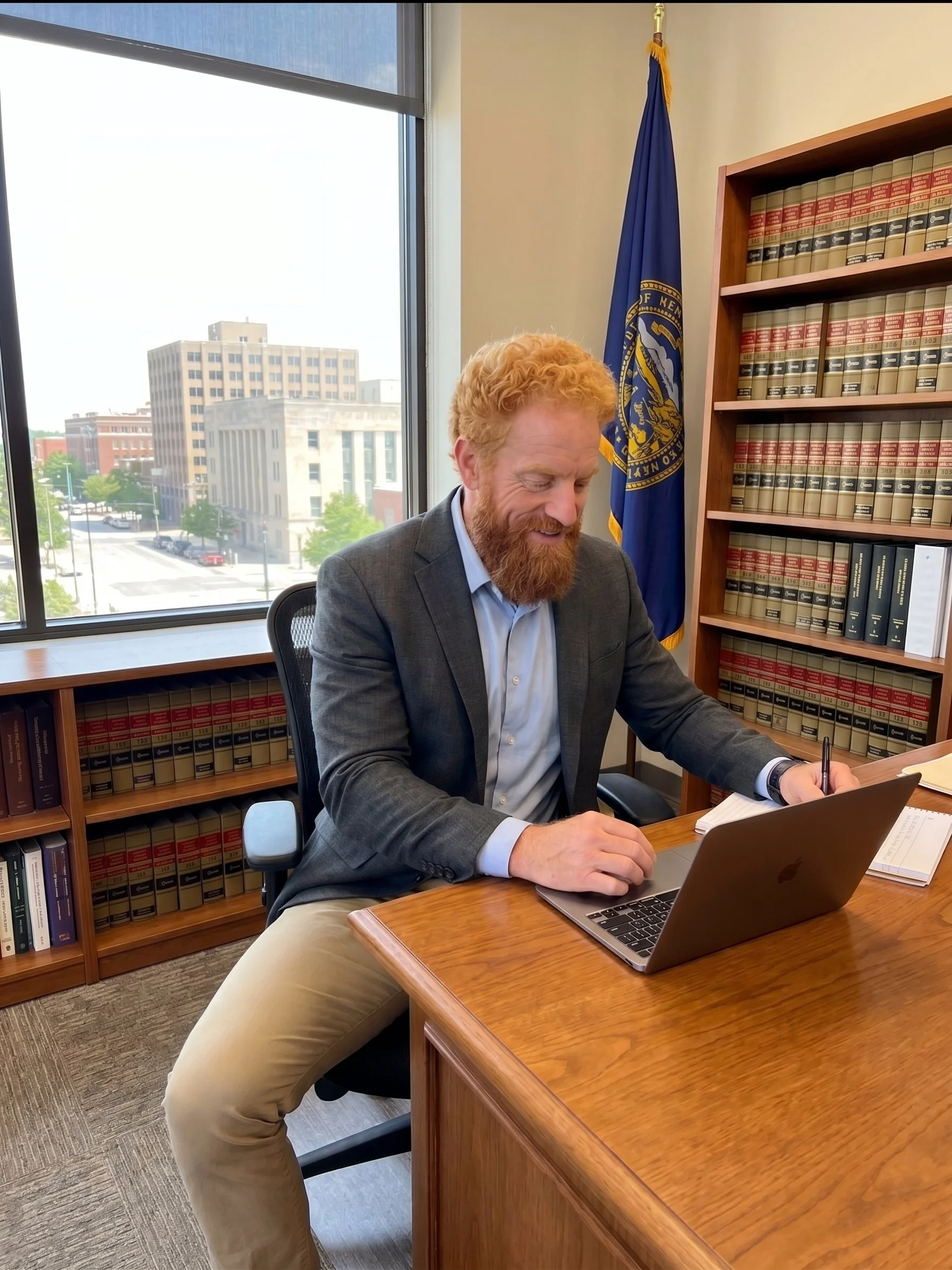
Can the Stress of Caring for Aging Parents Lead to Divorce in Nebraska?
Caring for an aging parent can be one of the most meaningful responsibilities a family takes on, but it can also place serious pressure on a marriage. In Nebraska, eldercare stress may overlap with divorce, marital finances, alimony, powers of attorney, guardianship, conservatorship, and Medicaid planning. This article explains how caregiving responsibilities can affect a marriage, what legal planning may help reduce conflict, and what Nebraska families should consider before a crisis turns into a court case.

Can I Still Use a Financial Power of Attorney After My Parent Dies in Nebraska?
A financial power of attorney can be incredibly helpful while a parent or loved one is alive, but it does not continue after death. In Nebraska, authority to access accounts, pay bills, handle funeral expenses, or manage estate property must come from another legal source, such as a trust, beneficiary designation, small estate affidavit, or appointment by the county court as personal representative. This article explains what families should know before using online banking, writing checks, or moving money after a loved one passes away.

What Happens in Nebraska If You Put Off Estate Planning?
Delaying estate planning can leave Nebraska families facing court involvement, probate complications, guardianship or conservatorship proceedings, Medicaid issues, and difficult decisions during an already stressful time. This article explains why “we’ll deal with it later” often becomes the most expensive plan of all, and how wills, trusts, powers of attorney, health care directives, and thoughtful long-term care planning can help protect your choices, your family, and your peace of mind before a crisis happens.

What Is the Biggest Financial Mistake After Divorce in Nebraska?
Divorce settlements can feel final before the money is actually available. This Nebraska-focused guide explains why spending settlement funds too soon can create problems with property division, QDROs, refinancing, taxes, and post-divorce planning.

How Should Parents Discuss Prenuptial Agreements With Their Adult Children in Nebraska?
For Nebraska families with family farms, businesses, real estate, trusts, or meaningful inheritance planning, a prenuptial agreement can be an important part of protecting long-term family wealth. This article explains how parents can thoughtfully discuss premarital agreements with adult children without making the conversation feel distrustful or adversarial. It also covers how Nebraska law treats premarital property, gifts, inheritances, commingling, business interests, spousal rights at death, and estate planning coordination.

What Is a Gray Divorce, and How Does It Do to Retirement in Nebraska
Divorce after 50 can affect far more than the end of a marriage. It can reshape retirement, home ownership, pensions, Social Security planning, alimony, and estate planning. This Nebraska-focused guide explains how gray divorce works, how courts divide retirement accounts and marital property, why QDROs matter, and what spouses should consider before finalizing a settlement that could impact their long-term financial security.
Please note:
The content on this blog is for general informational purposes only and is not legal advice.
Reading it does not create an attorney-client relationship.
For personalized guidance tailored to your specific circumstances,
it's always best to connect with a qualified attorney.