

What Can You Do in Nebraska If You’re Frozen Out of Your Own Business?
An owner can retain an interest in a Nebraska business while losing employment, distributions, management authority, or access to financial information. This article explains how governing documents, ownership status, records rights, fiduciary duties, dissolution statutes, and buyout provisions may affect a minority owner’s options in a Nebraska corporation or LLC.

Can a Business Owner Look Cash-Poor in a Nebraska Divorce While the Business Is Making Money?
A closely held business can make a spouse look cash-poor on paper while the company is doing well. Nebraska's Child Support Guidelines and published appellate decisions give courts a framework for looking past the W-2 at retained earnings, distributions, and control, but they also protect legitimate working capital. This post explains how the analysis works for support and property division, which records matter, and what not to do while a case is pending.

How Are Carried Interest, Private Equity, and Unvested Stock Options Divided in a Nebraska Divorce?
Carried interest, private-equity interests, stock options, and RSUs can raise difficult classification, valuation, tax, and support questions in a Nebraska divorce. This article explains Nebraska’s treatment of unvested employee equity, the limits of applying those rules to carried interest, the importance of tracing capital contributions and appreciation, and the potential child-support consequences of post-divorce equity sales.

How Should You Divide Your Estate When Only One Child Runs the Nebraska Family Business?
When one child runs the Nebraska family business and the others do not, an equal division of every asset may create management conflict, liquidity problems, and pressure to sell. A coordinated succession plan can preserve operational control while providing deliberately for the other beneficiaries. This guide explains Nebraska’s single-member LLC succession rules, buy-sell valuation provisions, inherited real estate and partition, probate administration, inheritance tax, and practical ways to reduce family conflict.

How Do Nebraskans Prove Their Actual Standard of Living in a Divorce?
A tax return may not show the complete financial picture in a Nebraska divorce. Learn how bank records, business documents, budgets, expert analysis, and local disclosure rules may help establish actual cash flow and the marital standard of living.

How Can a Business Valuation Be Manipulated in a Nebraska Divorce?
A closely held business can be one of the largest and most difficult assets to evaluate in a Nebraska divorce. This guide explains active appreciation, goodwill, valuation dates, financial warning signs, and the discovery tools lawyers use to investigate the numbers.

How Can I Protect My Personal Assets From Business Lawsuits in Nebraska?
An LLC can reduce a Nebraska business owner's personal-liability risk, but the formation paperwork alone is not enough. Learn how charging orders, veil-piercing law, publication rules, rental-property structures, professional-entity requirements, insurance, and divorce can affect your business and your personal assets.

Why Do High-Net-Worth Nebraskans Need a Forensic Accountant During a Divorce?
High-asset Nebraska divorces often require more than ordinary property division. When a case involves a business, professional practice, farm or ranch, investment portfolio, trust, premarital asset, inheritance, or disputed income, forensic accountants can help trace funds, value complex property, analyze appreciation, evaluate goodwill, and clarify income for support. Careful financial evidence can make a meaningful difference in settlement, mediation, and trial preparation.

Is My Deferred Comp, Bonus, or “Phantom Income” Marital Property in a Nebraska Divorce?
Deferred compensation, performance bonuses, stock options, RSUs, business interests, and pass-through “phantom income” can make Nebraska divorce property division and support issues significantly more complex. Zachary W. Anderson Law helps clients identify what may be marital, what may be separate, what records matter, and how business valuation, support, and co-parenting issues fit together.

What Happens to the Goodwill of My Business in a Nebraska Divorce?
Business goodwill can be one of the most valuable and disputed parts of a Nebraska divorce involving a closely held business, professional practice, farm operation, or family company. This article explains how Nebraska courts distinguish transferable enterprise goodwill from personal goodwill, how premarital business growth may become marital through active appreciation, and how business value can often be divided through offsets, buyouts, or structured payments.

How Do I Protect My Reputation and Business Relationships During a High-Profile Divorce in Nebraska?
A high-profile divorce in Nebraska can affect more than the marital estate. If you own a business, rely on referrals, employ people, or have a visible role in your community, the case can put your reputation, clients, employees, lenders, and court-file privacy under pressure. This article explains practical Nebraska-specific tools for reducing risk, including careful communication, discovery protections, business-document review, settlement terms, and attorney-led planning.
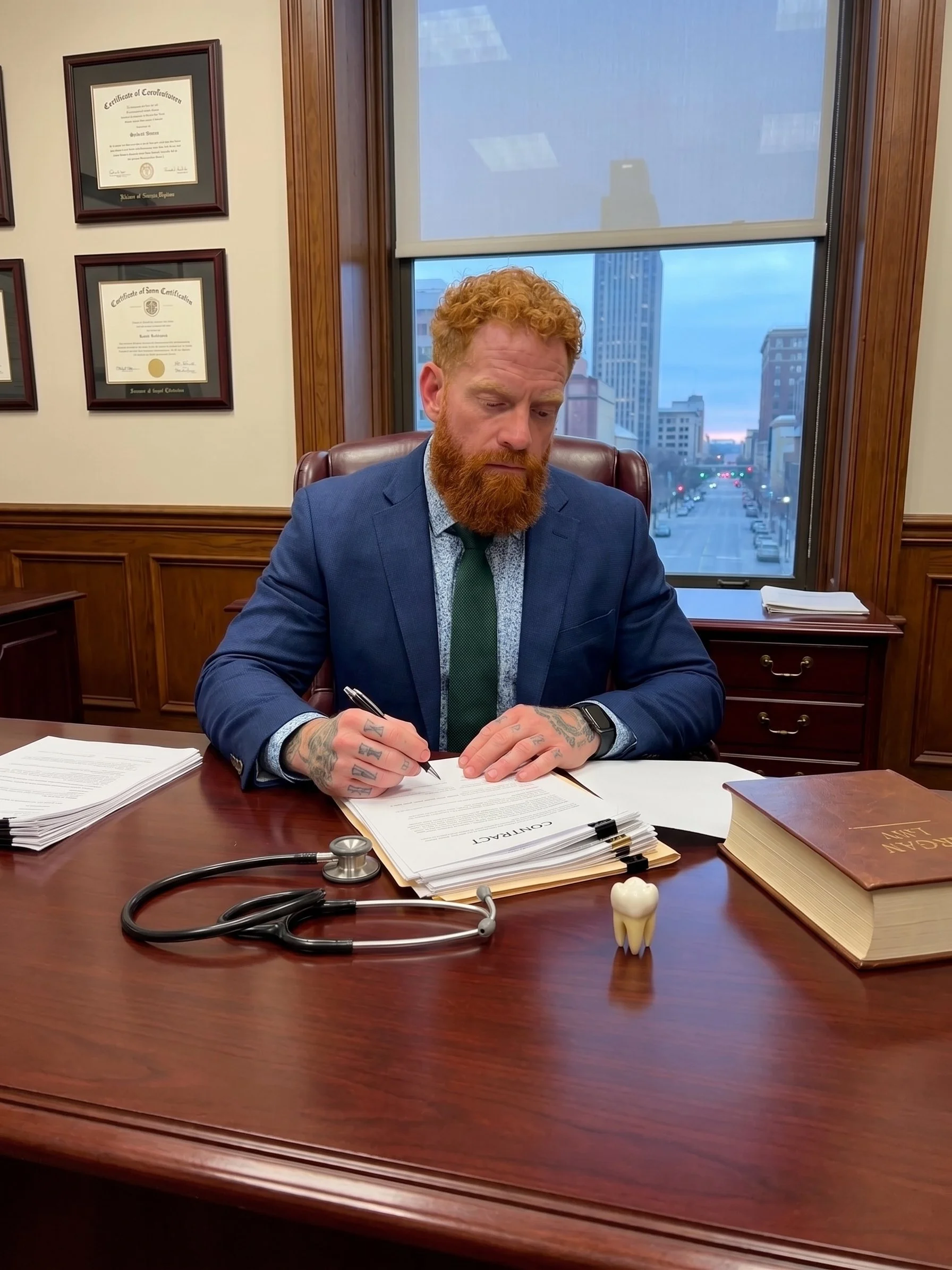
How Is a Medical, Dental, or Law Practice Valued and Divided in a Nebraska Divorce?
Divorce involving a medical, dental, law, or other professional practice can raise complex questions about valuation, goodwill, licensing rules, marital value, and buyout structure. In Nebraska, the court usually focuses on the marital value of the practice rather than simply dividing ownership. This article explains how Nebraska courts may approach professional-practice division and what practice owners and spouses should understand before taking a position on value.

What Happens to My Business If I Divorce in Nebraska?
Own a business and facing divorce in Nebraska? Business interests can raise complicated questions about marital property, valuation, goodwill, cash flow, and whether one spouse can keep the company while fairly accounting for its value. This article explains how Nebraska courts may approach business ownership in divorce and what records business owners should gather early.
Please note:
The content on this blog is for general informational purposes only and is not legal advice.
Reading it does not create an attorney-client relationship.
For personalized guidance tailored to your specific circumstances,
it's always best to connect with a qualified attorney.