
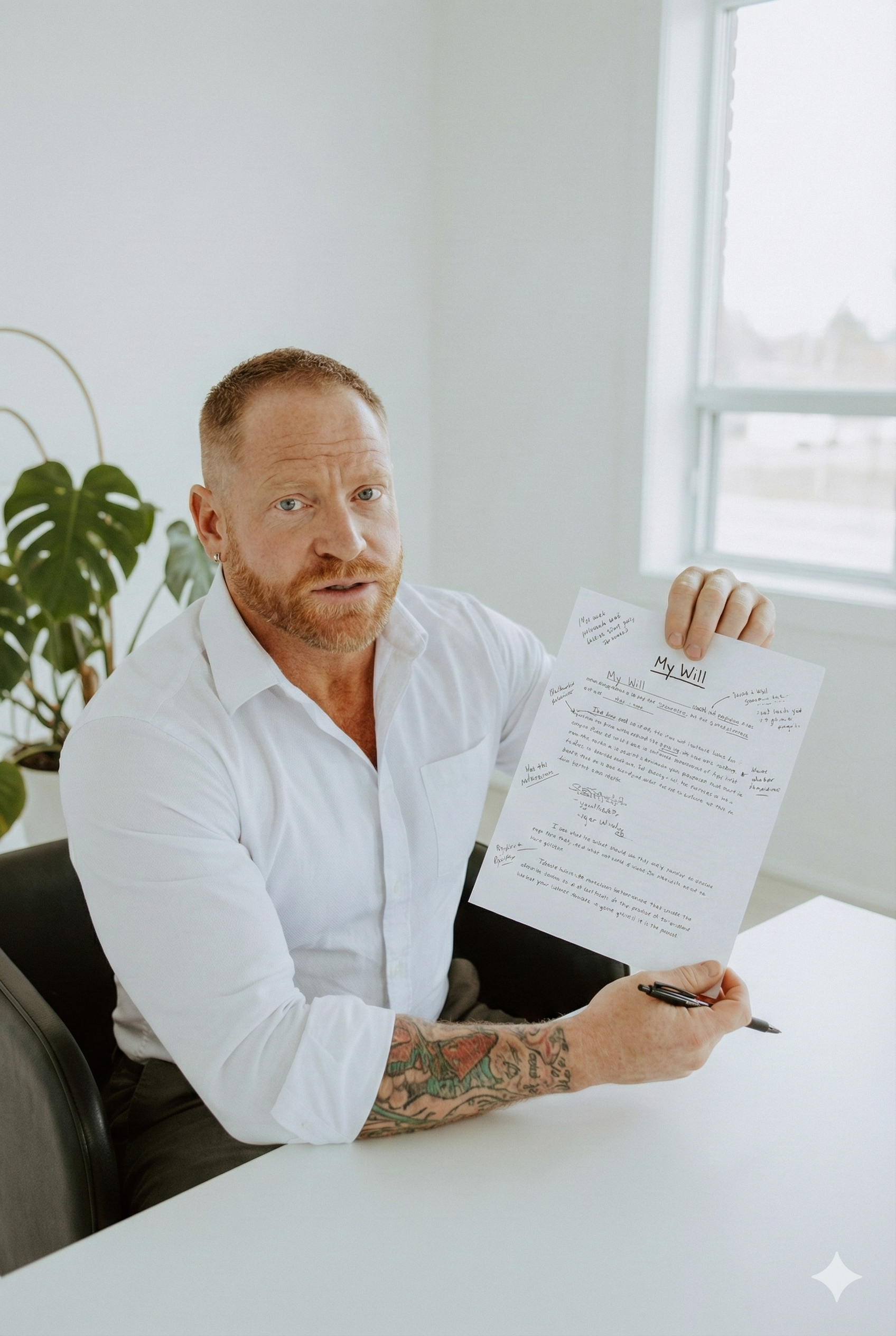
Are Handwritten “Napkin Wills,” Text Messages, or DIY Wills Actually Valid in Nebraska?
Many Nebraska families assume a handwritten note, text message, or video will control what happens after death. In reality, Nebraska probate law is strict about what counts as a valid will, and informal “napkin wills” often fail. This article explains when handwritten wills work, why DIY documents cause disputes, and how to protect your family from unnecessary probate fights.

Can You Inherit if You Are Accused of Murder? The Rob Reiner Case Explained
What happens to an inheritance when an heir is accused of murder? The recent deaths of filmmaker Rob Reiner and his wife have brought national attention to a little-known area of probate law: slayer statutes and simultaneous death rules. Under Nebraska law, a person who feloniously and intentionally kills another may be treated as having predeceased the victim, losing the right to inherit through a will, trust, joint property, or beneficiary designation. When spouses die close in time, Nebraska’s 120-hour rule can also determine whether they inherit from each other at all. This article explains how these laws work, why criminal charges are not always required to disinherit an heir, and what Nebraska families should understand about protecting their estate in worst-case scenarios.

Where Should You Keep Your Important Estate Planning Documents in Nebraska?
Most families have wills, powers of attorney, or trust documents—but when asked where they’re kept, the answer is often “around somewhere.” In Nebraska, if your loved ones can’t locate the originals quickly, those documents may be treated as revoked, leaving your family unprotected. This article explains the risks, highlights Nebraska law on lost wills and safe deposit boxes, and gives you an actionable checklist to ensure your estate plan is accessible in an emergency.

Avoiding Probate in Nebraska: When and How It’s Possible
Probate can be time-consuming, expensive, and public—but it’s not always necessary. This post breaks down when probate can be avoided in Nebraska, how tools like living trusts and small estate affidavits work, and what steps you can take now to make things easier for your loved ones later.
Please note:
The content on this blog is for general informational purposes only and is not legal advice.
Reading it does not create an attorney-client relationship.
For personalized guidance tailored to your specific circumstances,
it's always best to connect with a qualified attorney.