

Can You Lose Your U.S. Passport for Unpaid Child Support in Nebraska?
Unpaid child support can create serious consequences beyond the courtroom, including problems getting or keeping a U.S. passport. In Nebraska IV-D child support cases, qualifying arrears can be certified for federal passport denial or revocation when the amount owed exceeds the federal threshold. This article explains how the Nebraska and federal passport enforcement process works, why a payment plan may not automatically fix the issue, what to do if the arrears amount is wrong, and why it is important to address the official child support record before urgent travel becomes a crisis.
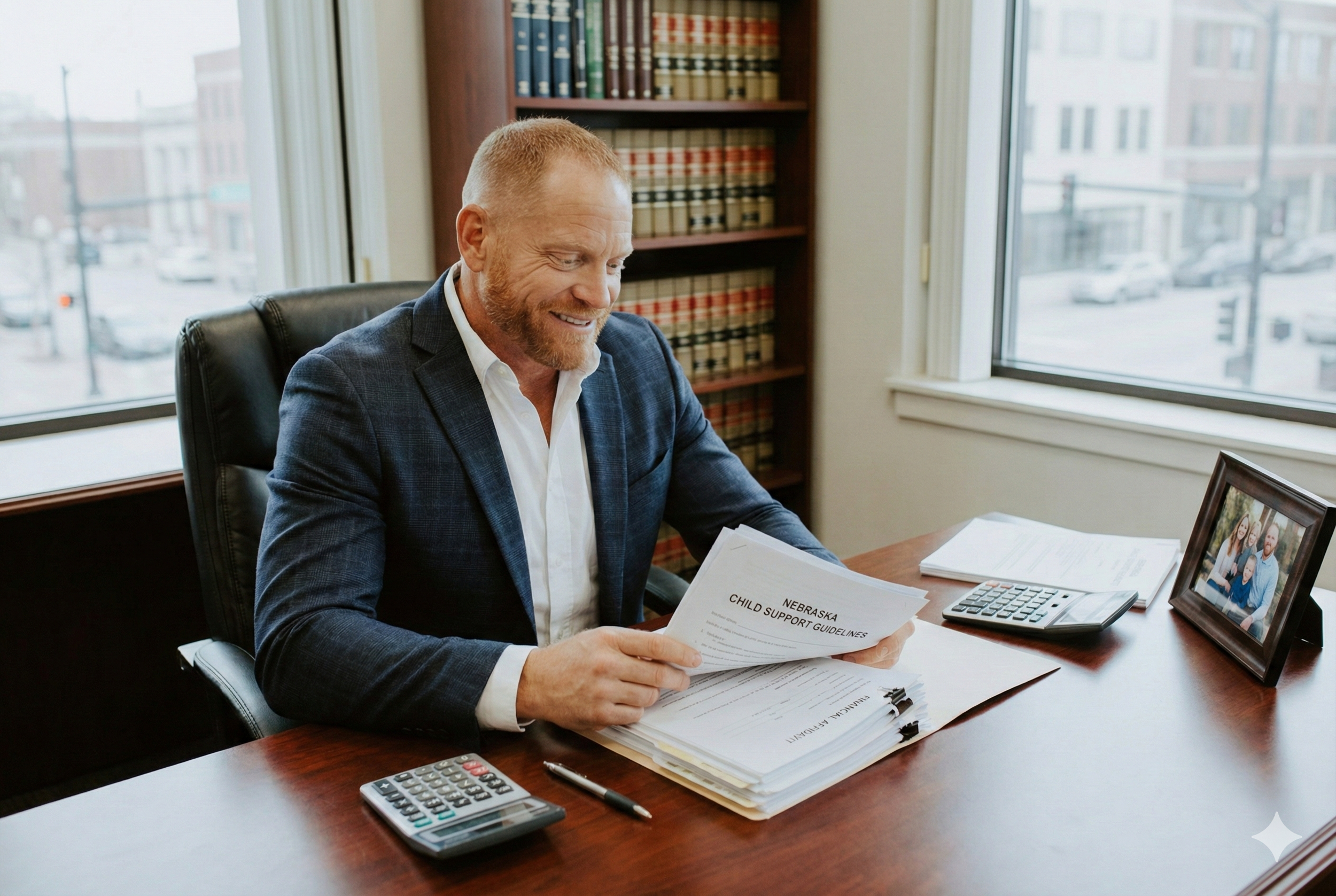
What Do Parents Need to Know About Child Support in Nebraska?
Nebraska child support is calculated under statewide Guidelines using both parents’ incomes, allowed deductions, and the parenting-time schedule. Two Nebraska-specific rules trip people up the most: support often runs until age 19 (not 18), and modifications are math-driven, with a rebuttable presumption of a “material change” only when a new calculation differs by at least 10% and not less than $25, tied to a change that has lasted at least three months and is expected to last at least six more. If you’re dealing with 50/50 custody, summer parenting-time blocks, or a job change, the details of the worksheet and the wording of your court order matter more than most parents realize.
Please note:
The content on this blog is for general informational purposes only and is not legal advice.
Reading it does not create an attorney-client relationship.
For personalized guidance tailored to your specific circumstances,
it's always best to connect with a qualified attorney.