

What Happens If You Lie to Your Lawyer in Nebraska?
Can you lie to your lawyer and still expect your case to hold together? In this Nebraska-specific article, attorney Zachary W. Anderson explains how attorney-client privilege differs from confidentiality, when consultation communications may be protected, and why false or incomplete information can create real problems once it reaches court filings, affidavits, depositions, or hearings. If you are dealing with divorce, custody, guardianship, conservatorship, or estate-related issues in Nebraska, this post offers a practical, plain-English explanation of what the law protects, where the limits are, and why honesty with your lawyer is usually the safest strategy.
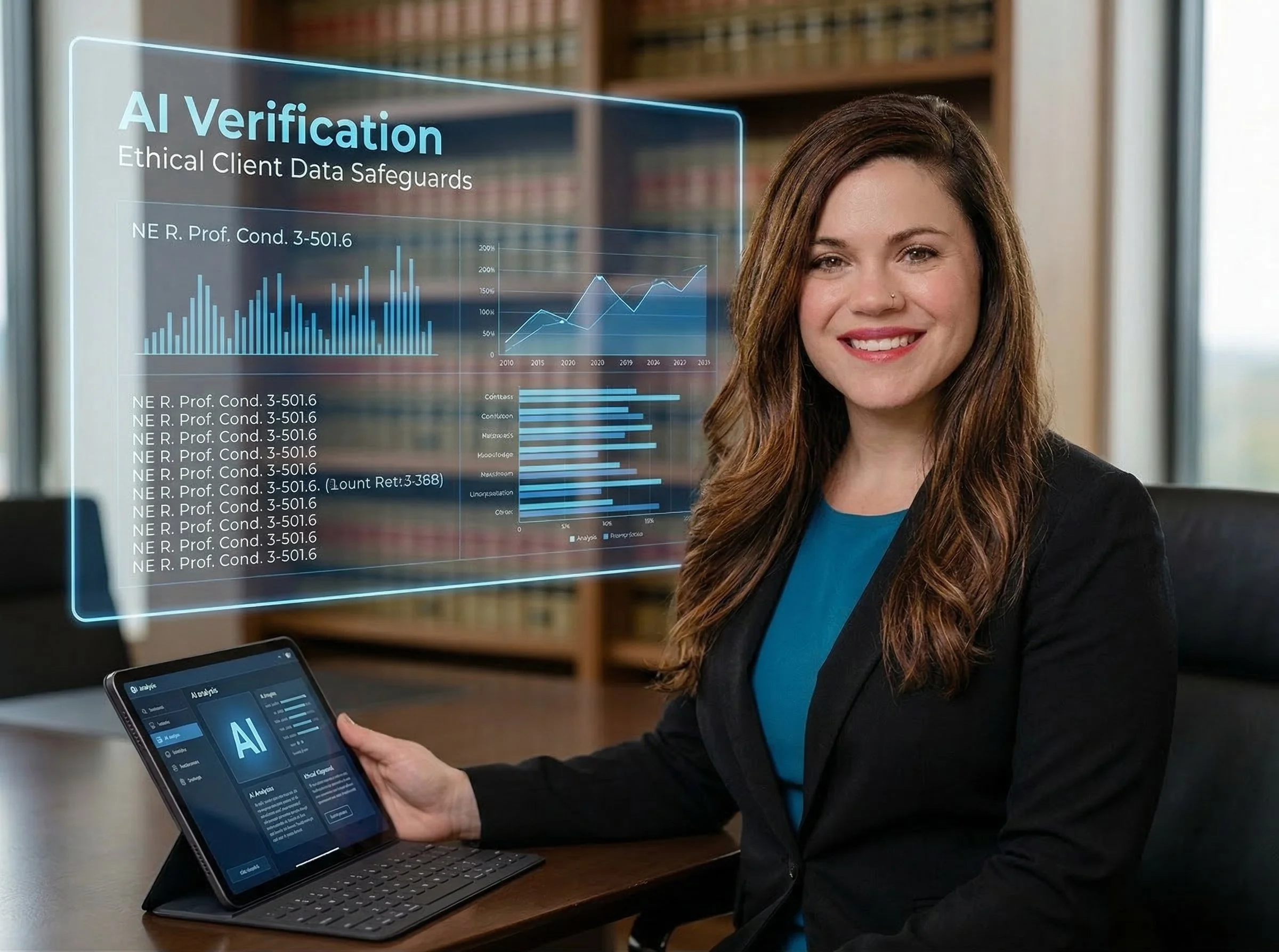
Can My Nebraska Lawyer Ethically Use AI? What Clients Need to Know
Can Nebraska lawyers use AI ethically? Yes, but only if they protect client confidentiality, verify the law, and keep legal judgment in human hands. This post explains what responsible AI use looks like in Nebraska family law, guardianship, mediation, and estate planning matters.
Please note:
The content on this blog is for general informational purposes only and is not legal advice.
Reading it does not create an attorney-client relationship.
For personalized guidance tailored to your specific circumstances,
it's always best to connect with a qualified attorney.